
Pruning
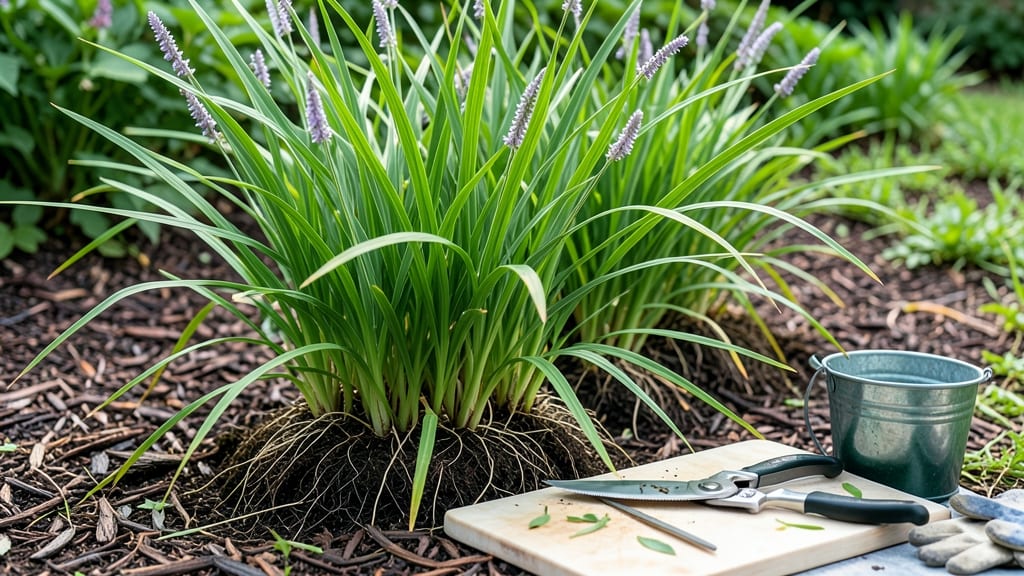
Pruning citronella in early spring unlocks its full mosquito-repelling potential. ✂️ I’ve learned the hard way—skipping pruning means leggy, sparse plants that barely deter those pesky bugs. The right cuts transform your plant into a dense, fragrant shield against summer pests.
Start with clean, sharp pruners and focus on shaping the plant by cutting back overgrown branches by one-third each year. This encourages bushier growth and more of those aromatic leaves that mosquitoes hate. Avoid cutting into old wood, as it won’t regrow—stick to the newer, green stems.
After pruning, give your plant a drink of water and a light fertilizer to help it recover. Within 2-3 weeks, you’ll see fresh new growth pushing out, and those citronella oils will be stronger than ever. The key is consistency—prune annually to keep it thriving.
This method works for both potted plants and in-ground citronella, whether you’re growing it for its fragrance or to keep your patio bite-free. Here’s how to do it right!
📚 In This Guide
- What you need
- Instructions
- Tips and common mistakes
- Wrapping up and next steps
What you need
- ● Sharp pruning shears: Bypass pruners (4–6 inch blades) for clean cuts—avoid dull tools that crush stems.
- ● Hand pruners: For smaller branches or tight spaces (2–3 inch blades).
- ● Gloves: Heavy-duty gardening gloves (nitrile-coated) to protect against sap and thorns.
- ● Disinfectant: 70% isopropyl alcohol or a 1:10 bleach-water mix to sterilize tools between cuts.
- ● Trash bag or compost bin: For clippings (citronella regrows quickly, so expect volume!).
- ● Loppers: For thicker stems (if your plant is mature and woody).
- ● Rubbing alcohol wipes: Quick tool cleanup mid-prune.
- ● Pruning sealant: (Not always needed for citronella) For large cuts to prevent disease if your plant is stressed.
- ● Notebook/pencil: To jot down pruning notes (e.g., dates, growth patterns).
- ● Check the weather: Prune on a dry, overcast day or early morning to reduce stress on the plant.
- ● Water the plant 24 hours before to ensure it’s hydrated (but not soggy).
- ● Have a clear goal: Decide if you’re pruning for shape, size, or harvest before starting.
Step-by-step instructions for pruning citronella
Here's how I keep my citronella thriving—mosquito-free and lush—with minimal effort.
✂️ Step 1: Prune for Shape in Early Spring
Start when new growth appears in early spring, just as the weather warms to 60-65°F. This is when your plant is waking up and can handle the most aggressive shaping. I like to cut back one-third of the previous year's growth to encourage bushier, denser foliage that produces more oil—nature's best mosquito repellent.
Use clean, sharp pruners to make 45-degree cuts just above a leaf node or bud. This angle prevents water from pooling on the cut and causing rot. Avoid cutting into old, woody stems—they won't regrow. If you see any dead or yellowing branches, remove those first—they're just taking energy from healthy growth.
🌿 Step 2: Light Maintenance Through Summer
During the growing season, I do light pruning every 4-6 weeks to keep the plant compact and encourage flowering. Look for branches that are growing too long or leggy—these are the ones that need trimming. Cut back to just above a set of leaves or a bud, and you'll see new growth sprout within 2-3 weeks.
This is also when I remove any spent flowers. While citronella flowers are pretty, they sap energy from the plant. Pinch off flower buds with your fingers or snip them off with pruners. You'll notice the plant puts more energy into leaf growth, which means more of that mosquito-repelling oil.
✂️ Step 3: Heavy Pruning in Late Fall
When temperatures drop below 50°F in late fall, it's time for a more aggressive prune. Cut back half of the plant's height to prepare it for dormancy. This prevents the plant from putting too much energy into new growth when winter is coming. I also remove any weak or diseased branches—now's the time to clean house before the cold sets in.
After pruning, I give the plant a light feeding with a balanced fertilizer (10-10-10) to help it recover. Water deeply but avoid soaking the soil—you want the roots to stay dry as winter approaches. This fall prune sets the stage for a stronger, more vigorous plant come spring.
⏰ Step 4: Winter Pruning for Health
If your citronella is in a warm climate where it stays green year-round, do a light prune in winter to remove any dead or damaged growth. Even in colder zones, if you're growing citronella in containers, you can bring it indoors for the winter and do a light trim to keep it tidy. Just avoid heavy pruning—you don't want to stress the plant when it's already dealing with cooler temperatures.
This is also the time to check for pests like spider mites or aphids. A quick spray with water or neem oil can keep them at bay. Healthy winter pruning means your citronella will burst into growth as soon as spring arrives, ready to keep those mosquitoes away.
Tips & tricks for perfect citronella pruning
Between us, I've pruned my fair share of citronella plants—some thrived, others struggled. Here's what I've learned to keep yours lush and mosquito-repelling all season.
Timing is Everything: The 60-65°F window in early spring is your golden opportunity for aggressive pruning. This temperature range signals the plant to wake up from dormancy and grow vigorously. If you prune too early when it's still cold, you'll stress the plant. Conversely, waiting until summer means you'll be cutting into established growth that could have produced more oil. Watch for those first tender new shoots as your cue to start.
The 45-Degree Cut Secret: That angled cut isn't just for looks—it's about plant health. The 45-degree angle prevents water from pooling on the cut surface, which would otherwise invite rot. I've made this mistake before by cutting straight across, and within days, those cuts turned brown and mushy. Always cut just above a leaf node or bud where new growth can emerge. This small detail makes all the difference in how quickly your plant recovers and regrows.
Summer Maintenance Hack: Those 4-6 week intervals might seem frequent, but they're key to preventing leggy growth. I've found that when I skip even one maintenance prune, the branches start stretching toward the light, becoming weak and less productive. The 2-3 week regrowth window is your reward for staying on schedule—watch those new shoots appear like magic! Also, don't overlook removing spent flowers; I used to think they were pretty, but they actually drain energy from your plant's oil production.
Fall Pruning Strategy: When temperatures drop below 50°F, your plant's energy shifts from growth to survival. Cutting back half the plant's height might seem drastic, but it's essential preparation. I've seen plants that weren't properly pruned in fall struggle to recover in spring. After pruning, that 10-10-10 fertilizer gives your plant just enough nourishment to store energy for next year's growth. And remember—deep watering after pruning helps establish new roots before dormancy sets in.
Pro Tips for Prune Citronella
- Between us, I've pruned my fair share of citronella plants—some thrived, others struggled.
- Timing is Everything: The 60-65°F window in early spring is your golden opportunity for aggressive pruning.
- The 45-Degree Cut Secret: That angled cut isn't just for looks—it's about plant health.
Frequently asked questions
Got questions about pruning your citronella plant? You’re not alone! Here are answers to the most common concerns—from timing to troubleshooting—to keep your mosquito-repelling buddy thriving.
When is the best time to prune citronella?
Prune citronella after flowering (late fall or early winter) to encourage fresh growth in spring. Light trims can happen anytime to shape the plant, but avoid heavy cuts during extreme heat or cold. Pro tip: If pruning in summer, do it early in the morning to reduce stress on the plant.
How much should I cut back?
For a renewal prune, cut back ⅓ of the plant’s height to the ground. For maintenance, trim just the leggy or overgrown stems—never remove more than 25% of the foliage at once. Over-pruning can shock the plant, so be gentle!
Can I prune citronella in pots?
Yes! Potted citronella responds well to pruning, but avoid overcrowding—trim back stems to encourage bushier growth. If roots are circling, repot first. Bonus: Use clippings for new plants or mosquito-repelling tea!
Why is my citronella turning brown after pruning?
Brown tips or leaves? It’s often stress from pruning or fungal issues (like powdery mildew). Ensure good airflow, water at the base (not leaves), and avoid pruning during wet weather. A light fungicide can help if needed.
What if I skip pruning entirely?
Citronella can grow wild and woody without pruning, losing its bushy shape and repelling power. Regular trims keep it compact, productive, and healthy. Think of it like a haircut—neglect leads to chaos!
Wrapping up and next steps
Pruning your citronella plant doesn’t have to be intimidating—with the right timing, tools, and techniques, you’ll keep it thriving while maximizing those natural mosquito-repelling oils. Remember: focus on healthy growth, remove dead wood, and shape it in early spring or after flowering.
A little effort now means lush foliage and fewer pests all season long!
Ready to take the next step? Grab your pruners and get hands-on! 🌿 For extra care, consider fertilizing after pruning or exploring companion plants to boost your garden’s pest-deterring power. Happy pruning!