
Pruning
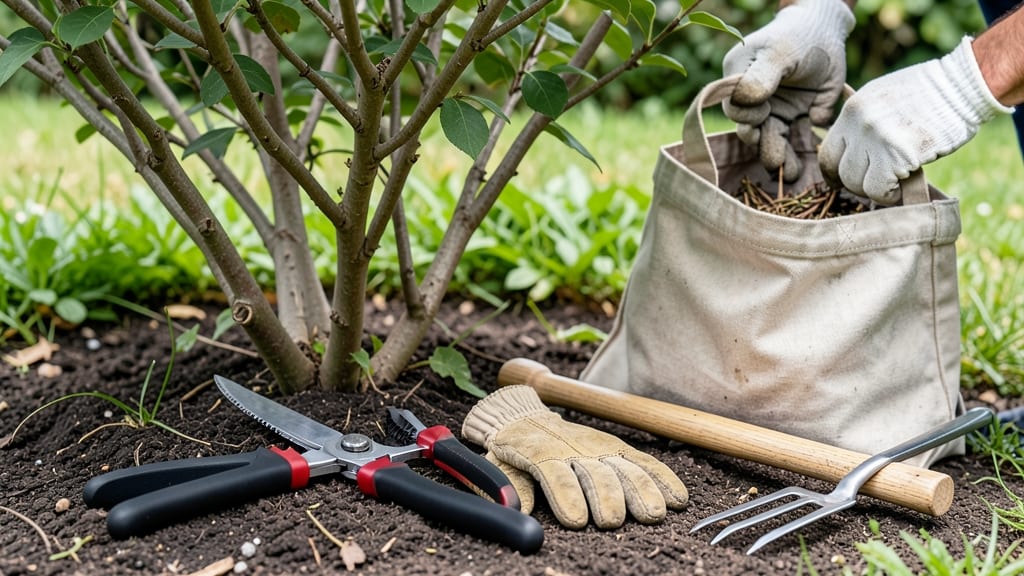
Pruning cotinus reveals its true magic—turning tangled growth into a showstopping cloud of color. ✨ I learned the hard way that skipping this step means losing those vibrant fall hues and compact shape, but with the right cuts, your smoke bush will thrive for decades.
The key is timing: late winter or early spring when the plant is dormant but about to burst with new growth.
You’ll need sharp pruners, gloves (cotinus has thorns!), and a clear vision of your desired shape—whether that’s a neat hedge, a loose, natural mound, or a tidy small tree.
Start by removing dead, crossing, or weak branches first, then thin out crowded areas to improve airflow. For older bushes, rejuvenation pruning in stages prevents shock and keeps the foliage lush.
By summer, you’ll see the payoff: brighter foliage, more flowers, and a bush that looks like it belongs in a botanical garden. The secret is regular light pruning—just a few cuts here and there—to maintain its signature wispy branches and fiery colors.
Over-prune, and you’ll sacrifice that signature smoke bush charm.
Works for all cotinus varieties, from the classic Cotinus coggygria to dwarf types like ‘Royal Purple.’ Whether you’re shaping a hedge or a single specimen, these techniques keep your plant healthy, vibrant, and full of personality—year after year.
📚 In This Guide
- What you need
- Instructions
- Tips and common mistakes
- Wrapping up and next steps
What you need
- ● Pruning shears: Bypass pruners (for clean cuts on small stems, 5–7 inches long, with sharp, stainless-steel blades). Anvil pruners (for thicker branches, but avoid crushing stems).
- ● Loppers: Bypass loppers (for branches ½–1½ inches thick, with a 6–8-inch blade length).
- ● Pruning saw: Curved-tooth pruning saw (for branches thicker than 1½ inches; 8–12 inches long).
- ● Gloves: Heavy-duty gardening gloves (cut-resistant, like those made from Kevlar or nitrile-coated leather).
- ● Disinfectant: 70% isopropyl alcohol or a pruning sealant (to prevent disease spread).
- ● Cleaning cloth or paper towels: (for wiping tools between cuts).
- ● Extension pole: (for high branches, 3–6 feet long, with a pruning head).
- ● Rubbing alcohol wipes: (for quick tool disinfection on the go).
- ● Marking twine or flags: (to label branches for future reference).
- ● Compost bin or bag: (for collecting pruned debris).
Step-by-Step instructions for pruning cotinus
Here’s how I maintain my cotinus’s signature flaming foliage while keeping its natural shape—no guesswork involved.
✂️ Step 1: Prune in Late Winter for Structural Shape
Start in late winter (just before new growth begins) when the plant is dormant. This is the best time to shape your cotinus because it encourages strong, healthy growth from the base. Use clean, sharp pruning shears to make cuts at a 45-degree angle, about ¼ inch above a bud or lateral branch. This angle helps water run off and prevents rot.
Focus on removing dead, diseased, or crossing branches first—these compete with healthy growth and can invite pests. I like to step back every few cuts to check the overall shape. Cotinus responds well to pruning, so don’t be afraid to be bold. Aim for an open center to allow light and air to circulate, which keeps the foliage vibrant and reduces fungal risks.
✂️ Step 2: Light Pruning in Early Spring for Foliage Color
Once new growth appears in early spring, give your cotinus a light trim to encourage dense, colorful foliage. This is when the plant’s signature flaming hues develop, so pruning too aggressively now can reduce the intensity of the color. Remove only overly long or leggy stems that spoil the shape, cutting just above a leaf node or bud.
Watch for water sprouts—those weak, vertical shoots that grow straight up. These steal energy from the plant and should be pruned back to the main stem. A good rule of thumb is to never remove more than 20% of the plant’s foliage in one session. You’ll know you’ve done it right when the branches look balanced and the foliage looks lush, not sparse.
✂️ Step 3: Deadhead and Shape in Mid-Summer
By mid-summer, your cotinus may have produced spent flower clusters or branches that have lost their vibrancy. This is the time to deadhead faded blooms and trim back any branches that are growing out of place. Use hand pruners for smaller cuts and loppers for thicker stems. Always cut just above a leaf bud or lateral branch to encourage new growth in the right direction.
Here’s the thing—cotinus thrives on selective pruning, not heavy cuts. Instead of hacking back large sections, focus on refining the shape and removing only what’s necessary. Step back frequently to visualize the plant’s form. If you’re unsure, err on the side of caution—you can always prune more later, but you can’t undo over-pruning.
✂️ Step 4: Minimal Cleanup in Early Fall
In early fall, before the first frost, do a light cleanup to remove any dead or damaged foliage. This keeps the plant looking tidy and reduces the risk of disease overwintering. Use sterilized pruners to make clean cuts, and dispose of any diseased branches immediately. Avoid heavy pruning now—you want the plant to enter dormancy with as much energy as possible.
This is also a good time to check for pests like spider mites or scale, which can hide in the crevices of old growth. If you spot any, treat them with neem oil or insecticidal soap before they have a chance to spread. A quick once-over now ensures your cotinus stays healthy and vibrant for next year’s growth.
⏰ Step 5: Avoid Pruning in Late Fall or Winter
Resist the urge to prune in late fall or winter—this is when cotinus is most vulnerable to cold damage and disease. Pruning stimulates new growth, and any fresh cuts made now won’t have time to harden off before the cold sets in. Instead, focus on mulching the base with 2-3 inches of organic mulch to protect the roots and insulate the plant.
If you must prune in winter, wait until mid-winter (January or February) when the ground is frozen and the plant is fully dormant. Even then, keep cuts minimal. The key is patience—cotinus is a forgiving plant, and a little restraint now means a stronger, more vibrant display next season.
Tips & tricks for pruning cotinus like a pro
Here's what nobody tells you about keeping your cotinus thriving year-round—these are the secrets that make all the difference between a plant that just survives and one that truly shines.
Pruning Angle Matters: That 45-degree angle in Step 1 isn't just arbitrary—it's about directing water runoff away from the cut. Use a ruler or protractor if you're unsure, but trust me, this small detail prevents rot and keeps your cuts healing properly. I've seen too many pruning wounds fester because of flat cuts that pool water.
Seasonal Pruning Strategy: The key to vibrant foliage is understanding what each season demands. In late winter (Step 1), you're shaping the foundation—think of it like setting the bones of your plant. Early spring (Step 2) is about refinement, not drastic changes. Mid-summer (Step 3) is your chance to tidy up without overdoing it. This layered approach prevents shock and maintains that stunning color.
Visual Pruning Check: Before making any cut, step back and imagine your plant as a sculpture. Cotinus responds beautifully to artistic shaping, but the goal is always an open center. I like to hold my pruners at arm's length and visualize how each cut will affect the overall silhouette. This prevents that "haircut gone wrong" look where branches become too dense in the middle.
Pest Prevention: That early fall cleanup (Step 4) isn't just about tidiness—it's your best defense against overwintering pests. I always sterilize my pruners with rubbing alcohol between cuts when dealing with suspicious branches. And here's a pro move: save those pruned branches in a sealed bag and check them for pests before composting. You might catch an infestation before it spreads to your main plant.
Pro Tips for Prune Cotinus
- Here's what nobody tells you about keeping your cotinus thriving year-round—these are the secrets that make all the difference between a plant that just survives and one that truly shines.
- Pruning Angle Matters: That 45-degree angle in Step 1 isn't just arbitrary—it's about directing water runoff away from the cut.
- Seasonal Pruning Strategy: The key to vibrant foliage is understanding what each season demands.
Frequently asked questions
Got questions about pruning your Cotinus (smoke bush)? You’re not alone! Here are answers to the most common concerns—so you can keep your plant thriving and looking stunning year after year.
When is the best time to prune Cotinus?
The ideal time is late winter or early spring (just before new growth starts) to shape the plant and encourage fresh foliage. Light pruning for maintenance can also happen in summer after flowering, but avoid heavy cuts then—it may reduce next year’s blooms. Never prune in fall—it can stimulate tender growth that won’t survive winter!
Can I prune Cotinus in fall?
Pruning in fall is risky because it encourages new growth that may not harden off before frost. If you must prune, do so very lightly (just to remove dead or damaged branches) in early fall. Wait until spring for major shaping—your plant will thank you with vibrant new foliage and fewer winter woes!
How much can I cut back my Cotinus?
You can prune up to one-third of the plant’s height in a single session, but avoid drastic cuts unless rejuvenating an overgrown bush. For young plants, keep pruning minimal (just to shape) for the first few years. Older, leggy Cotinus may need a harder cut—prune back to 1/3 of the plant’s height in stages over 2–3 years to avoid shock.
What if I prune at the wrong time?
If you prune too late (fall/winter) or too aggressively, your Cotinus might struggle to regrow or produce sparse foliage. Don’t panic! Lightly prune any dead wood immediately, then wait until spring for major adjustments. Over time, your plant will bounce back—just give it patience and proper care (like well-draining soil and full sun).
Are there alternatives to pruning Cotinus?
If pruning feels overwhelming, try these low-maintenance options:
- Let it grow naturally—Cotinus has loose, airy branches that add texture without pruning.
- Focus on deadheading—Remove spent flower clusters in summer to encourage more blooms.
- Use selective pruning—Just trim one or two branches per year to maintain shape.
For fast-growing varieties, a little annual pruning keeps them tidy without heavy work!
Wrapping up and next steps
Pruning Cotinus—whether it’s the fiery Royal Purple or the classic Smokebush—is all about unlocking its full potential! With the right tools, timing, and techniques, you’ll keep your plant lush, healthy, and bursting with that signature flaming foliage.
Remember, patience and precision are key, so don’t rush the process.
Ready to transform your garden? Grab your pruners, step outside, and give your Cotinus the care it deserves. Your next step? Watch it thrive with vibrant color and structure year after year! 🌿✨