
How To
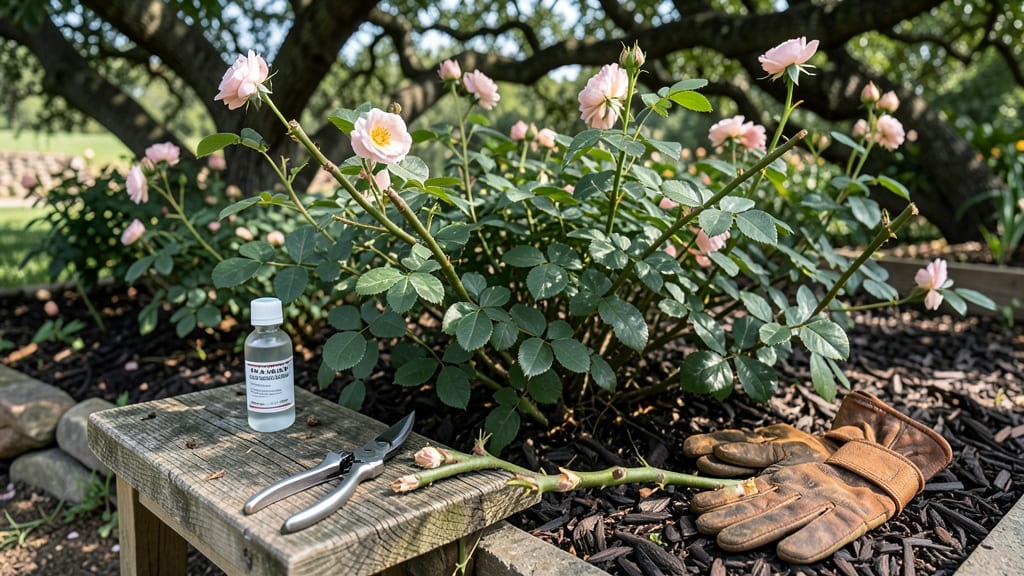
Pruning drift roses transforms them from scraggly shrubs into neat, blooming powerhouses—and timing is everything. ✂️ I’ve turned my overgrown drift roses into lush, year-round bloomers by pruning just once a year, and the difference is night-and-day. The key? Cutting at the right moment and shaping for airflow.
Start in late winter or early spring when the plant is still dormant but new buds are visible. Grab your sharp bypass pruners (dull blades tear stems) and remove dead, crossing, or weak branches first, then cut the rest to an outward-facing bud.
For overgrown roses, never remove more than one-third of the plant at once—this keeps them healthy and encourages blooms.
📚 In This Guide
- What you need
- Instructions
- Tips and common mistakes
- Wrapping up and next steps
What you need
- ● Bypass pruners – Sharp, clean bypass pruners (4-6 inch blades) for clean cuts on smaller stems. Skip anvil pruners—they crush stems, which can harm the plant.
- ● Loppers – Heavy-duty loppers (8-10 inch blades) for thicker branches (½ inch or larger). Look for ratcheting or bypass-style for precision.
- ● Hand saw – A pruning saw with a curved blade for stubborn, thick stems (1+ inch diameter). Avoid rusted or dull blades!
- ○ Disinfectant (optional but recommended) – Rubbing alcohol (70%+ isopropyl) or a pruning sealant (like Tanglefoot Pruning Seal) to prevent disease spread.
- ● Gloves – Garden gloves with grip to protect hands from thorns and debris.
- ● Pruning shears (for fine-tuning) – Small, sharp shears for shaping leaves or delicate cuts.
- ● Marking spray or tape – To label branches you’re unsure about (e.g., white painter’s tape for "keep" stems).
- ● Bucket or bag – For collecting pruned branches (compost or trash).
- ● Ladder or step stool – If your roses are tall or hard to reach!
- ● Know your rose’s age – Newly planted Drift Roses (under 1 year) need minimal pruning (just remove dead/diseased wood). Mature roses (2+ years) can be pruned more aggressively.
- ● Check the weather – Prune on a dry, cloudy day (or early morning) to reduce stress on the plant.
- ● Identify canes – Drift Roses have woody canes (thick, brown stems) and green growth (current season’s blooms). Know which to cut!
Step-by-step instructions for pruning Drift roses
Here's the method I rely on to keep my Drift roses blooming continuously—no over-pruning, no deadwood, just sharp cuts and the right timing.
✂️ Step 1: Time Your Pruning for Peak Performance
Prune Drift roses in early spring (just as new shoots emerge) and again after the first flush of blooms in late spring. This encourages continuous flowering. Avoid pruning in fall—you want the plant to harden off for winter. I always check for swollen buds along the stems; these signal it's time to prune.
If you missed spring, you can do a light shaping cut in summer after blooms fade, but avoid heavy pruning then. Drift roses bloom on new wood, so early cuts give them time to develop fresh growth before heat stress sets in. Never prune when frost is forecast—new cuts won't heal properly.
🌿 Step 2: Remove Dead, Diseased, or Weak Growth First
Start by cutting out any dead, diseased, or crossing branches—these compete with healthy growth. Use clean, sharp pruners to make 45-degree cuts just above an outward-facing bud. I look for green stems with plump buds; anything brown or mushy goes in the trash.
Remove branches that rub against each other—they'll create wounds that invite disease. Thin out crowded areas to improve air circulation, which prevents fungal issues. If a branch is thinner than a pencil, it's probably not worth keeping. Drift roses need room to breathe, and this step sets the foundation for strong blooms.
✂️ Step 3: Shape the Bush for Balanced Growth
Step back and assess the plant's natural shape. Drift roses grow in a loose, rounded form, so aim to maintain that silhouette. Cut back the longest stems by about one-third to encourage bushier growth. Make cuts just above a bud that faces outward—this directs energy to fill out the center.
For each stem, count 3-5 strong buds from the base before making your cut. This ensures you're leaving enough growth to support new blooms. Avoid cutting into old wood (gray or woody stems)—Drift roses bloom on new growth, so you want to preserve the younger, more flexible stems.
☀️ Step 4: Clean Up and Apply Post-Pruning Care
After pruning, sterilize your tools with rubbing alcohol to prevent spreading disease. Remove all fallen leaves and debris from the base of the plant—this reduces hiding spots for pests and fungi. I also apply a balanced rose fertilizer (10-10-10) right after pruning to give the plant a nutrient boost for new growth.
Water deeply after pruning to help the plant recover. Avoid heavy watering right before pruning, as wet wood is harder to cut cleanly and heals slower. Mulch around the base with 2-3 inches of organic mulch to retain moisture and protect roots. Watch for new shoots emerging within 2-3 weeks—this is your sign the pruning worked.
⏰ Step 5: Monitor and Maintain Through the Season
After the initial pruning, keep an eye out for spent blooms and deadhead them regularly to encourage more flowers. Drift roses are repeat bloomers, so removing faded blooms redirects energy to new growth. I also check for yellowing leaves or signs of pests—early intervention keeps the plant thriving.
In late summer, give the plant a light trim to remove any leggy or overgrown stems. This keeps the shape tidy and prevents the plant from becoming top-heavy. Avoid heavy pruning in fall—just a light cleanup to remove any remaining deadwood. With proper timing and care, your Drift roses will reward you with continuous blooms all season long.
Tips & tricks for pruning Drift roses
These sharp snips and strategic cuts are what transform a struggling rose bush into a blooming powerhouse. Here's what I've learned after years of trial and error with my own Drift roses.
Timing is Everything: The early spring pruning window is critical—wait until you see those first swollen buds pushing through the soil. This timing ensures you're cutting back just as the plant is ready to burst into growth. I've missed this window twice, and both times my roses took months to recover. If you're in a warmer climate, you might need to prune slightly later, but always wait for those buds to show themselves.
The 45-Degree Cut Matters: When you make that cut just above an outward-facing bud, the angle isn't arbitrary—it creates a natural water runoff path that prevents rot. I used to make straight cuts, and I noticed my roses developed more fungal issues. The 45-degree angle also exposes more of the bud to sunlight, which helps it grow stronger. Always use sharp pruners to make clean cuts; dull blades crush the stem and invite disease.
Bud Counting for Balance: Leaving 3-5 strong buds on each stem after pruning creates the perfect balance between air circulation and foliage density. I learned this the hard way when I over-pruned one bush and left too few buds—it took two full seasons to recover. Count those buds from the base upward before making your cut. This simple step ensures your rose has enough energy to produce blooms while maintaining a healthy structure.
Post-Pruning Care is Non-Negotiable: That 10-10-10 fertilizer application right after pruning isn't just a suggestion—it's what gives your roses the nutrient boost they need to recover and thrive. I once skipped this step, and my roses took twice as long to show new growth. The 2-3 inches of organic mulch also helps maintain consistent soil moisture, which is crucial during the plant's recovery phase. Don't skip these steps if you want that continuous bloom cycle.
Pro Tips for Prune Drift Roses
- These sharp snips and strategic cuts are what transform a struggling rose bush into a blooming powerhouse.
- Timing is Everything: The early spring pruning window is critical—wait until you see those first swollen buds pushing through the soil.
- The 45-Degree Cut Matters: When you make that cut just above an outward-facing bud, the angle isn't arbitrary—it creates a natural water runoff path that prevents rot.
Frequently asked questions
Got questions about pruning drift roses? You’re not alone! Here are some of the most common concerns—plus clear, actionable answers to keep your roses thriving.
When is the best time to prune drift roses?
Prune drift roses twice a year: late winter/early spring (just before new growth starts) and right after the first flush of blooms in spring. Avoid pruning in fall or during extreme cold—this can stress the plant. For tropical climates, prune lightly after blooming instead.
How much should I cut back drift roses?
Drift roses are low-maintenance, so don’t overdo it! Trim back 1/3 of the plant’s height in late winter, focusing on dead, crossing, or weak stems. After blooming, cut back spent flowers to just above a leaf node to encourage new growth. Think “less is more”—these roses bloom on new wood!
What if I prune at the wrong time?
If you prune too early (in deep winter), the plant may not recover before spring. Pruning too late (after a hard frost) can damage tender new growth. Don’t panic! A light trim in the wrong season is better than none—just adjust your approach next year. Over-pruning? Your roses may skip blooming, but they’ll bounce back with patience.
Can I shape drift roses like hybrid teas?
Nope! Drift roses have a natural, airy habit—they thrive on minimal shaping. Unlike hybrid teas, they don’t need tight, formal pruning. Instead, focus on opening up the center for airflow and removing suckers (shoots growing from the base). Let them grow wild for that effortless, cascading look!
What do I do if my drift roses aren’t blooming after pruning?
Check these fixes:
- Light levels: Drift roses need 6+ hours of sun daily—move them if shaded.
- Fertilizer: Feed with a balanced rose fertilizer (like 10-10-10) after pruning.
- Watering: Deep water 1–2 times per week (more in heatwaves).
- Patience: New growth takes 4–6 weeks to bloom—resist the urge to prune again!
Wrapping up and next steps
Pruning drift roses might seem intimidating at first, but with the right tools, timing, and technique, you’ll unlock vibrant, long-lasting blooms all season! Remember: confidence comes with practice—start small, follow the steps, and soon you’ll be shaping your roses like a pro. 🌹✂️
Ready to take the next step? Grab your pruners, mark your calendar, and schedule your first pruning session—your drift roses will thank you with show-stopping color from spring to frost!