
Pruning
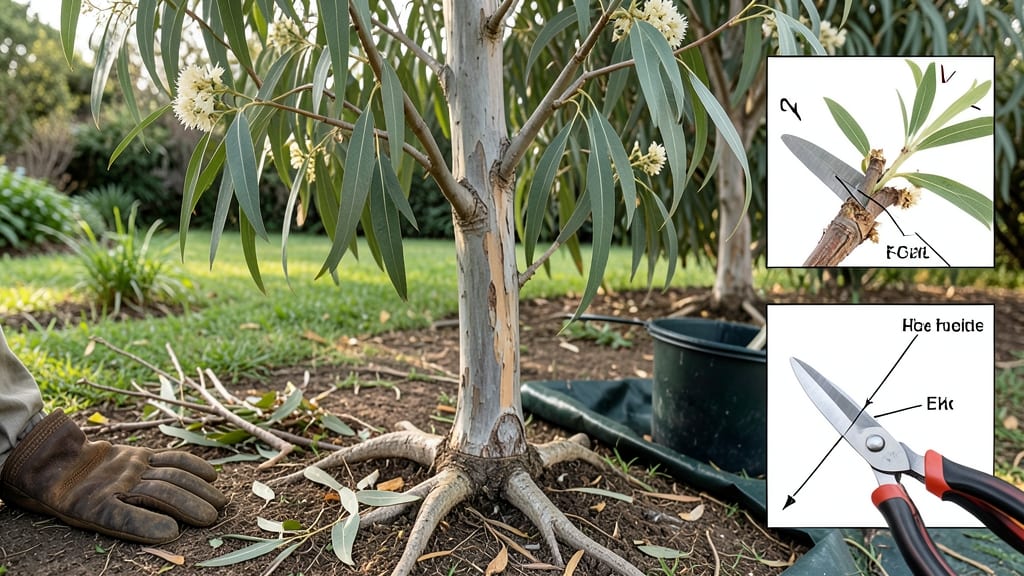
Pruning eucalyptus isn’t just about shaping—it’s about unlocking that shockingly lush growth you’ve been missing. 🌿 I’ve watched my own eucalyptus go from scraggly to vibrant green in just one season after learning the right cuts, and the key is timing it perfectly.
Most gardeners wait until late winter or early spring, but there’s a trick to rejuvenating older trees that changes everything.
The tools you’ll need are simple: sharp pruning shears for small branches, loppers for thicker stems, and thick gloves—because that sap? It’s a real irritant.
The real secret lies in the cuts: always prune just above a leaf node (that little bump where branches grow) and avoid cutting into the trunk. This keeps the tree healthy and encourages new growth where you want it.
What you’ll end up with is a eucalyptus that looks like it belongs in a botanical garden, not just your backyard. The branches fill out, the foliage thickens, and you’ll notice fewer bare spots where pests or weather once took a toll. Plus, the fragrance? Unmatched.
This method works for both young trees you’re shaping and mature ones you’re reviving—just adjust the timing slightly. Let’s get those branches looking intentional!
📚 In This Guide
- What you need
- Instructions
- Tips and common mistakes
- Wrapping up and next steps
What you need
- ● Pruning shears: Bypass pruners with sharp, clean blades (for small branches, ¼-inch to ¾-inch thick).
- ● Loppers: Long-handled bypass loppers for branches ¾-inch to 2-inches thick (look for 8–12-inch handles for reach).
- ● Pruning saw: A curved-tooth saw for thicker branches (2-inches or larger). Opt for a foldable or telescoping model for convenience.
- ● Ladder: A sturdy, extension ladder (16–24 feet) if your tree is tall. Ensure it’s rated for your weight and secured on stable ground.
- ● Gloves: Heavy-duty, cut-resistant gloves to protect against thorns and sap.
- ● Disinfectant: A 70% isopropyl alcohol or bleach solution (1 part bleach to 9 parts water) to sterilize tools between cuts.
- ● Heavy-duty trash bags: For collecting pruned branches and debris.
- ● Safety gear: Safety glasses or goggles (to shield from debris).
- ● Long sleeves and pants (to protect against sap and thorns).
- ● Closed-toe shoes or boots (for stability and protection).
- ● Tree wound dressing: Pruning sealant (controversial but useful for large cuts to prevent disease).
- ● Pole saw: For high branches without a ladder (extendable 6–10 feet).
- ● Marking spray: Non-toxic paint to mark branches for removal (helpful for complex pruning).
- ● First-aid kit: In case of sap burns or minor injuries.
- ● Partner: A second person to assist with heavy branches or ladder support!
Step-by-step guide to pruning eucalyptus trees
Here's the method I've used for years to keep eucalyptus trees healthy, shaped, and thriving.
✂️ Step 1: Time Your Pruning for Optimal Growth
Eucalyptus trees respond best to pruning during their dormant season—typically late winter or early spring before new growth begins. This timing ensures you're not removing leaves that help the tree photosynthesize and store energy for the next growing season. I always prune mine in February when temperatures are consistently above 40°F but before the first flush of new leaves appears.
If you must prune outside this window, late summer after flowering is the next best option. Avoid pruning in fall or winter when the tree is already stressed by cold temperatures. You'll know you've chosen the right time when the tree is fully leafed out but hasn't yet begun its main growth spurt.
✂️ Step 2: Gather Tools and Assess the Tree
You'll need a sharp pruning saw for thick branches, bypass pruners for medium branches, and hand pruners for smaller growth. Sterilize your tools with rubbing alcohol to prevent spreading disease between cuts. Examine the tree for dead, diseased, or crossing branches first—these take priority over shaping cuts.
Look for branches that rub against each other or grow inward toward the center of the tree. These create weak points and invite disease. Also identify any branches that are dead (brown, brittle, or no leaves) or diseased (yellowing leaves, black spots, or oozing sap). Mark these with a piece of twine or flagging tape before you start cutting.
✂️ Step 3: Remove Dead, Diseased, and Problem Branches
Start with the most urgent cuts: remove all dead, diseased, or crossing branches first. Cut just outside the branch collar—the swollen area where the branch meets the trunk—to promote faster healing. Make clean cuts at a 45-degree angle about ¼ inch above an outward-facing bud to encourage new growth in the right direction.
If a branch is too thick for hand pruners, use your pruning saw. Saw cuts should be smooth and even—don't rip or tear the bark. After removing these branches, step back and assess the tree's structure. You'll notice a dramatic improvement in airflow and sunlight penetration, which reduces the risk of fungal diseases.
✂️ Step 4: Shape the Tree for Balance and Airflow
Now focus on shaping the tree by thinning out excess growth to improve light penetration and airflow. Aim to remove no more than 25% of the tree's foliage in one pruning session—this prevents shock and encourages vigorous regrowth. Start at the bottom and work your way up, removing smaller branches first to avoid overloading the tree.
Look for branches that are growing too close together or creating dense clusters. These areas trap moisture and invite pests. Step back frequently to check your progress—you want the tree to have an open, airy structure that allows sunlight to reach all leaves. Avoid cutting into the main trunk or large limbs, as eucalyptus trees are sensitive to heavy pruning of their structural framework.
✂️ Step 5: Clean Up and Monitor for Recovery
After pruning, rake up all fallen leaves and small branches to keep the area clean. Dispose of diseased branches immediately to prevent spreading pathogens. Water the tree deeply to help it recover from the stress of pruning. You'll see new growth emerging from the buds within 4-6 weeks, signaling that the tree is healing.
Monitor the tree closely in the weeks following pruning. If you notice yellowing leaves or wilting, it may be a sign of over-pruning or stress. In this case, reduce watering slightly and avoid fertilizing until the tree shows signs of new, healthy growth. With proper care, your eucalyptus tree will reward you with lush, vibrant foliage and a strong, balanced structure.
Tips & tricks for pruning eucalyptus like a pro
Pruning eucalyptus trees can transform them from unruly giants into elegant landscape stars—here's how to elevate your technique beyond the basics.
Timing is Everything: February's 40°F+ temperature window is ideal because eucalyptus trees store energy in their leaves during dormancy. If you miss this window, late summer after flowering is your next best chance. Pro tip: Check for fresh, green leaves with no visible buds—this confirms you're pruning at the perfect moment. Waiting until buds appear means you're cutting off potential growth.
Tool Selection Matters: That pruning saw isn't just for show—it's essential for branches thicker than your wrist. I've ruined too many cuts trying to force hand pruners on stubborn branches. Sterilize your tools between cuts with rubbing alcohol; eucalyptus trees are prone to fungal infections, and cross-contamination spreads like wildfire. For precision work, invest in bypass pruners—they make cleaner cuts than anvil pruners, which can crush delicate eucalyptus bark.
The 25% Rule: Never remove more than 25% of the foliage in one session—this is non-negotiable. Eucalyptus trees are sensitive to heavy pruning, and exceeding this threshold can shock the tree into dormancy or even death. Start conservatively, especially with younger trees. If you're unsure, take photos before you begin—you'll thank yourself later when you're assessing progress.
Post-Prune Recovery: The 4-6 week window for new growth is your progress report. If you don't see fresh green shoots within this timeframe, you may have over-pruned. Reduce watering immediately and avoid fertilizing until you confirm the tree is recovering. A deep watering every 10-14 days during recovery is better than frequent shallow watering, which can stress the roots further.
Pro Tips for Prune Eucalyptus
- Pruning eucalyptus trees can transform them from unruly giants into elegant landscape stars—here's how to elevate your technique beyond the basics.
- Timing is Everything: February's 40°F+ temperature window is ideal because eucalyptus trees store energy in their leaves during dormancy.
- Tool Selection Matters: That pruning saw isn't just for show—it's essential for branches thicker than your wrist.
Frequently asked questions
Got questions about pruning eucalyptus? You’re not alone! Here are answers to the most common concerns—from timing to tools—to help you prune like a pro.
When is the best time to prune eucalyptus?
The ideal time is late winter or early spring (before new growth starts). Avoid pruning in fall or winter in cold climates, as frost can stress the tree. For light shaping, summer pruning is fine, but avoid heavy cuts during hot, dry spells.
Can I prune eucalyptus in summer?
Yes, but go easy! Summer pruning is best for minor shaping or removing dead branches. Heavy pruning in summer can stress the tree, especially in drought-prone areas. If you must prune heavily, water thoroughly before and after to help recovery.
What if my eucalyptus tree is overgrown? Can I prune it back drastically?
While eucalyptus can handle some aggressive pruning, never remove more than 25-30% of the canopy at once. Over-pruning can shock the tree, leading to dieback. For severely overgrown trees, prune in stages over 2-3 years. Focus on thinning dense areas first.
Why are my eucalyptus leaves turning yellow after pruning?
Yellowing leaves are often a sign of stress, usually from over-pruning, improper timing, or poor aftercare. Ensure you’re using sharp, clean tools, and avoid pruning during extreme weather. Water deeply post-pruning and fertilize lightly if needed.
Do I need special tools to prune eucalyptus?
Not necessarily! A sharp bypass pruner works for small branches, while a pruning saw or loppers handle thicker stems. For large trees, consider hiring a professional. Always sterilize tools with rubbing alcohol to prevent disease spread.
Wrapping up and next steps
Pruning your eucalyptus tree doesn’t have to be intimidating—just follow the right season, tools, and techniques, and you’ll reward yourself (and your tree!) with healthier growth and stunning shape.
Whether you’re trimming for safety, aesthetics, or vitality, confidence comes with practice, so start small and build your skills over time. 🌿✨
Now that you’re armed with the know-how, why not take the next step? Grab your pruners, pick a sunny day, and give your eucalyptus the care it deserves. Happy pruning—and enjoy watching your tree thrive!