
How To
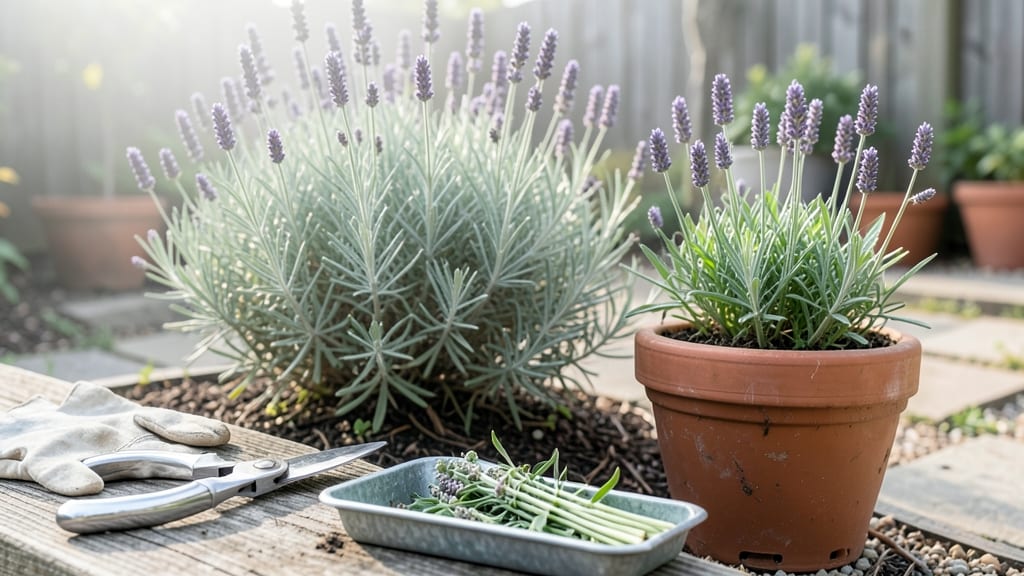
Pruning lavender plants in early spring unlocks their secret to fragrant, bushier growth—but timing and technique make all the difference. 🌿 I’ve learned the hard way that cutting too late or too aggressively turns lush lavender into woody sticks.
The key is a sharp trim right after new growth appears, before the plant sets buds for summer. Start with clean, sterilized shears and focus on shaping—not just deadheading. Snip just above a set of leaves where new stems will emerge, and avoid cutting into old, bare wood.
Within weeks, you’ll see fresh green shoots and that signature lavender scent intensify as the plant redirects energy into fuller blooms.
📚 In This Guide
- What you need
- Instructions
- Tips and common mistakes
- Wrapping up and next steps
What you need
- ● Sharp, clean pruning shears – Choose bypass pruners (not anvil-type) to avoid crushing stems. A 5-inch pair works best for most lavender varieties.
- ● Garden gloves – Opt for nitrile or leather gloves (thickness: medium-weight) to protect against thorns and rough stems.
- ● Disinfectant (70% isopropyl alcohol or bleach solution) – Clean tools before and after pruning to prevent disease spread.
- ○ Pruning saw (optional but helpful) – For thick, woody stems (over ½ inch in diameter), a curved pruning saw makes the job easier.
- ● Garden twine or rubber bands – To temporarily tie back leggy stems if needed.
- ● Hand pruners (smaller, 4-inch) – For precision trimming in tight spots.
- ● Lavender-specific fertilizer – A low-nitrogen, phosphorus-rich formula (e.g., 5-10-10) to support regrowth after pruning.
- ● Mulch (gravel or pebbles) – Helps retain moisture and reduce weed competition post-pruning.
- ● Notebook or camera – To sketch or photograph your lavender’s shape before pruning for reference.
Step-by-step guide to pruning lavender plants
Here's the method I use every spring to keep my lavender lush, fragrant, and thriving—no guesswork involved.
✂️ Step 1: Time Your Pruning for Peak Health
Wait until after flowering but before new growth hardens—typically late spring to early summer in most climates. Pruning too early cuts off next year's buds, while waiting too long removes last year's fragrant stems. I always prune mine by mid-June in my zone 7 garden.
Look for woody stems—these are last year's growth that's ready to be trimmed. If you see fresh green growth at the tips, hold off another week. The plant will tell you when it's ready: dormant buds along the stems signal it's time to prune.
✂️ Step 2: Gather Tools and Prepare the Plant
Use clean, sharp pruning shears—dull blades crush stems and invite disease. I wipe mine with rubbing alcohol between cuts to prevent spreading anything. Avoid hedge trimmers; they shred lavender's delicate foliage.
Water the plant 24 hours before pruning so the stems are slightly pliable. This makes clean cuts easier and reduces stress on the plant. Stand back and examine the shape—you're aiming to maintain a rounded, open form that lets air circulate freely.
✂️ Step 3: Trim the Old Wood and Shape the Plant
Cut back last year's woody stems by one-third—about 3-4 inches from the base. Never cut into old, bare wood; you'll kill the plant. Look for the green growth at the base of the stems—this is where new shoots will emerge.
Shape the plant by trimming just the tips of the current season's growth to encourage bushiness. Avoid cutting into the center where stems crowd together—this creates a dense, shaded interior that breeds pests. Step back often to check your work; lavender should look full but not crowded.
🌱 Step 4: Clean Up and Encourage New Growth
Remove all trimmed stems and debris from the area—lavender hates competition, and left-behind stems can harbor pests. I collect the clippings to dry for potpourri or sachets; nothing goes to waste in my garden.
After pruning, give the plant a light feeding with a balanced fertilizer (10-10-10) to support new growth. Water deeply but infrequently—lavender thrives on neglect, and overwatering after pruning can rot the stems. You'll see new shoots within 3-4 weeks if conditions are right.
☀️ Step 5: Maintain Through the Growing Season
Keep the plant in full sun (at least 6 hours daily) and well-drained soil—lavender won't tolerate soggy roots. Mulch lightly with gravel or coarse sand to improve drainage and keep roots cool. Avoid organic mulch like wood chips; it retains too much moisture.
Watch for new growth at the base—this is your reward for proper pruning. If you see bare spots where stems died back too much, don't panic. Lavender recovers quickly, and next year's growth will fill in. Just avoid pruning again until next spring.
Tips & tricks for pruning lavender plants
Took me years to figure out these little details that make all the difference between a plant that thrives and one that struggles.
Timing is Everything: The 24-hour watering window before pruning is non-negotiable. I learned this the hard way—skipping it makes the stems brittle, and you'll end up with jagged cuts that invite disease. Think of it like stretching before a workout: you're preparing the plant for the stress of pruning. And that mid-June deadline? It's flexible based on your climate—just watch for those dormant buds along the stems.
Tool Selection Matters: I now have three pairs of pruning shears—one for lavender, one for roses, and one for general garden work. Never share tools between plants, especially not between your veggie garden and lavender. The rubbing alcohol wipe between cuts is my secret weapon against spreading anything unwanted. And those hedge trimmers? They're the enemy of lavender's delicate foliage—save them for boxwoods.
The One-Third Rule: That "cut back one-third" instruction isn't arbitrary—it's based on lavender's natural growth patterns. I measure by holding up my hand: my middle finger represents about one-third of the stem length. This balance lets the plant recover while still encouraging new growth. If you cut too much, you'll expose old wood and risk killing the plant. If you cut too little, you won't stimulate enough new shoots.
Post-Pruning Care: The 3-4 week window for new shoots is your progress report. If you don't see them emerging by then, check your soil drainage—lavender won't forgive soggy roots. I've found that giving a light feeding with 10-10-10 fertilizer right after pruning gives the plant just enough boost to start growing without overwhelming it. And that gravel mulch? It's not just decorative—it keeps roots cool and improves drainage, which is everything for lavender.
Pro Tips for Prune Lavender Plant
- Took me years to figure out these little details that make all the difference between a plant that thrives and one that struggles.
- Timing is Everything: The 24-hour watering window before pruning is non-negotiable.
- Tool Selection Matters: I now have three pairs of pruning shears—one for lavender, one for roses, and one for general garden work.
Frequently asked questions
Got questions about pruning lavender? You’re not alone! Here are answers to the most common concerns to help you keep your plants thriving.
When is the worst time to prune lavender?
Never prune lavender in late summer or fall—this cuts back new growth before winter, leaving plants vulnerable to frost damage. Avoid pruning after July 15th to give your lavender time to harden off before cold weather. If you must prune later, stick to minimal shaping instead of heavy cuts.
Can I prune lavender too much?
Yes! Over-pruning—especially cutting into old wood (woody stems) or removing more than 1/3 of the plant—can stress lavender, leading to sparse growth or even death. Focus on light shaping and deadheading blooms rather than aggressive trimming. If your plant looks leggy, it’s better to under-prune than overdo it.
What if my lavender turns brown after pruning?
Brown tips or stems after pruning usually mean over-trimming or shock from sudden stress. If only the tips brown, it’s likely just drying out—snip those off. For widespread browning, check for underwatering (lavender hates soggy soil) or pests. Give it time to recover and avoid heavy pruning next year.
Do I need to sterilize my pruners for lavender?
While lavender isn’t as prone to disease as some plants, sterilizing pruners (with rubbing alcohol or a 10% bleach solution) is a smart habit. This prevents spreading bacterial or fungal infections if you’ve used the same tools on other plants. Wipe blades before and after pruning lavender to keep it healthy.
Will pruning lavender make it bushier immediately?
Patience is key! Pruning encourages long-term bushiness, but don’t expect dramatic changes overnight. After a spring prune, you’ll see new growth in 4–6 weeks. For faster results, pair pruning with regular deadheading (removing spent flowers) to redirect energy into foliage growth.
Wrapping up and next steps
Pruning your lavender plant doesn’t have to be intimidating—it’s all about timing, technique, and a little patience. 🌿 By following the steps above, you’ll encourage lush growth, vibrant blooms, and that signature fragrance you adore.
Now that you’re armed with the know-how, take the next step: grab those shears, step outside, and give your lavender the TLC it deserves!
Watch as your garden transforms into a fragrant paradise—one careful snip at a time. Happy pruning! ✂️💜