
Pruning
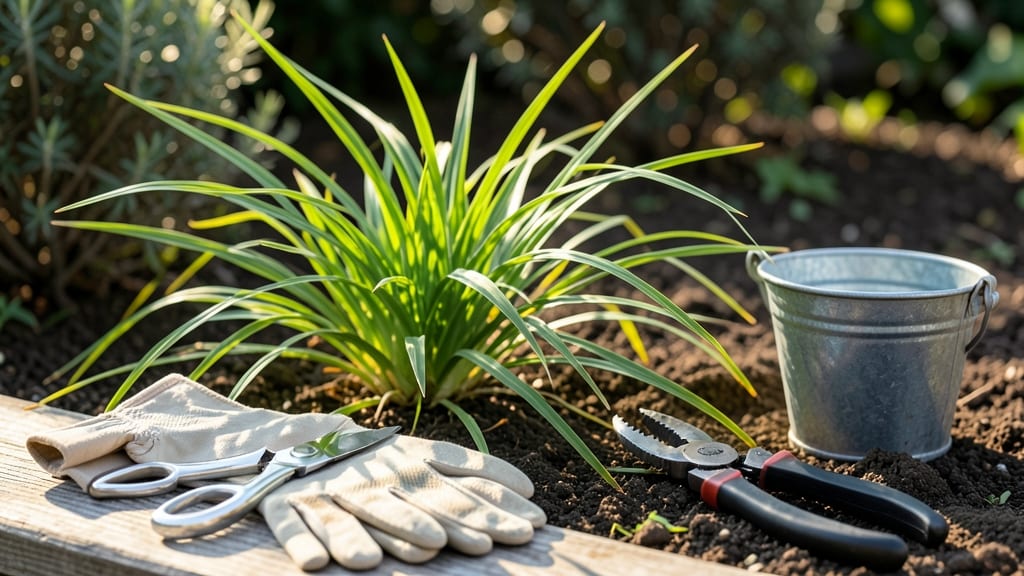
Pruning lemongrass in winter isn't just about trimming—it's about setting up next year's harvest. 🌱 I've learned that skipping this step means weaker stems and fewer stalks by spring, but doing it right keeps your plants productive for years.
The key is timing, technique, and knowing what to cut back to encourage new growth.
You'll need sharp pruning shears, gloves, and a clear day when temperatures are above 50°F. The goal is to remove any brown or damaged leaves while leaving the healthy, inner stalks intact.
Most gardeners make the mistake of cutting too aggressively—lemongrass stores energy in its base, so never trim more than 1/3 of the plant at once.
After pruning, your lemongrass will focus energy on developing fresh shoots from the base. Within 4-6 weeks, you'll see new growth pushing through, and by spring, you'll have a bushier plant with thicker stalks. The scent of fresh lemongrass in your kitchen will be even stronger than before.
This method works for both potted and in-ground lemongrass, whether you're in Zone 8 or a container on your patio. The winter prune is your secret weapon for a garden that keeps giving—year after year.
📚 In This Guide
- What you need
- Instructions
- Tips and common mistakes
- Wrapping up and next steps
What you need
- ● Pruning shears or sharp bypass pruners – Look for clean, sharp blades (4-6 inch blades work well) to make precise cuts without crushing stems.
- ● Gloves (gardening or cut-resistant) – Protects your hands from sharp edges and sap. Opt for breathable material to avoid sweaty palms!
- ● Disinfectant (rubbing alcohol or bleach solution) – 1 part bleach to 9 parts water to sterilize tools before and after pruning.
- ● Rake or small shovel – Helps clear away debris and old leaves around the base of the plant.
- ● Compost bin or bag – For collecting pruned stems and leaves (they’re great for composting!).
- ● Pruning saw (for thicker stems) – If your lemongrass has woody, mature stalks over ½ inch thick.
- ● Plant food or compost – Add a light layer after pruning to nourish the roots for spring growth.
- ● Mulch (straw or shredded leaves) – Helps insulate the base during colder months.
- ● Spray bottle with water – For misting freshly cut stems to reduce stress on the plant.
- ● ✅ Choose the right time – Prune on a dry, mild day (avoid frost or extreme cold). Early morning or late afternoon works best.
- ● ✅ Healthy plant check – Ensure your lemongrass is free of pests or disease before pruning. Treat issues first!
- ● ✅ Weather forecast – Avoid pruning if rain or wind is predicted within 24 hours.
Step-by-Step instructions for pruning lemongrass in winter
Here's the method I've used for years to keep lemongrass thriving through cold months.
✂️ Step 1: Time Your Cut Back Perfectly
Prune your lemongrass 4-6 weeks before your first frost date—this gives the plant time to recover before winter dormancy. I always check the weather forecast first; if a hard freeze is predicted within two weeks, delay pruning until after the cold snap. Look for healthy, mature stalks that are at least 12 inches tall—these are the ones you'll focus on.
Use sharp pruning shears to make clean cuts 2-3 inches above the ground. This leaves enough stem to protect the growing point while removing the top growth that could freeze. Avoid cutting into the lower leaves—these will insulate the base during cold snaps. I like to prune on a dry morning so the cuts heal faster.
✂️ Step 2: Remove Only the Top Growth
Focus exclusively on the upper third of the plant, cutting back just the tallest, most mature stalks. Lemongrass regrows from the base, so you're essentially shaping it to focus energy on new growth. If you cut too low, you risk damaging the crown. I usually remove 30-50% of the top growth—enough to encourage bushier regrowth but not so much that the plant struggles to recover.
Discard the pruned stalks in your compost bin unless they're diseased—lemongrass doesn't tolerate wet, rotting material in its growing zone. After pruning, give the plant a light watering to help it recover. You'll notice new shoots emerging from the base within 2-3 weeks if conditions are right.
🪴 Step 3: Protect the Base for Winter
Once pruned, mound 3-4 inches of mulch around the base of the plant, leaving the center exposed. I use straw or shredded leaves because they insulate while allowing airflow. This protects the crown from freezing temperatures. If you're in a region with below 20°F winters, consider wrapping the entire plant in burlap or moving potted lemongrass to a sheltered spot.
Water the plant deeply once a week during winter, but only if the top inch of soil feels dry. Overwatering in cold weather can lead to root rot. Lemongrass enters a semi-dormant state in winter, so growth slows dramatically. You'll know it's working if the leaves stay green and the base remains firm—no wilting or mushy spots.
☀️ Step 4: Prepare for Spring Regrowth
As temperatures rise in late winter, start monitoring your lemongrass for new shoots. When you see 2-3 inches of fresh growth, it's time to remove the winter mulch. I do this gradually over 2-3 days to avoid shocking the plant. Once the mulch is gone, water deeply to encourage root expansion.
Fertilize lightly with a balanced 10-10-10 formula in early spring to support new growth. You'll notice the plant sending up multiple stalks from the base—this is a sign of successful winter pruning. By mid-spring, your lemongrass should be ready to harvest again, with stronger stems than before.
Tips & tricks for perfect winter lemongrass pruning
These simple strategies will help you keep your lemongrass thriving through cold months and ready for spring harvests.
Weather Timing: The 4-6 week window before your first frost is critical—this gives your lemongrass time to recover before dormancy. I always double-check the forecast and delay if a hard freeze is predicted within two weeks. Cold snaps can stress the plant, so timing is everything. A good rule of thumb is to prune when daytime temperatures average in the 60s°F for a week straight.
Pruning Precision: When cutting in Step 1, aim for clean cuts exactly 2-3 inches above the ground. This height protects the growing point while removing vulnerable top growth. I like to use a ruler to measure from the base—any lower risks damaging the crown, and any higher leaves the plant too exposed. Sharp pruning shears prevent jagged cuts that slow healing.
Winter Protection Strategy: For areas with below 20°F winters, don't just rely on mulch. I've found that wrapping the entire plant in burlap adds an extra layer of protection. You can also move potted lemongrass to a sheltered spot like a garage or covered patio. The key is keeping the crown protected while allowing airflow to prevent rot.
Spring Transition Tip: When removing mulch in late winter, do it gradually over 2-3 days. This slow transition prevents shock to the plant as it wakes from dormancy. I start by pulling back half the mulch on day one, then remove the rest over the next two days. This mimics natural temperature changes and helps the plant adjust smoothly.
Pro Tips for Prune Lemongrass For Winter
- These simple strategies will help you keep your lemongrass thriving through cold months and ready for spring harvests.
- Weather Timing: The 4-6 week window before your first frost is critical—this gives your lemongrass time to recover be...
- Pruning Precision: When cutting in Step 1, aim for clean cuts exactly 2-3 inches above the ground. This height protec...
Frequently asked questions
Got questions about winterizing your lemongrass? You’re not alone! Here are answers to the most common concerns—so you can keep your plants thriving all season long.
When is the exact best time to prune lemongrass for winter?
Prune lemongrass before the first hard frost (usually late fall, 4–6 weeks before freezing temps). If you’re in a mild climate (Zones 9–11), a light trim in early winter can encourage new growth. Never prune after frost damage—wait until spring to revive struggling stems.
What if my lemongrass is already damaged by cold?
Don’t panic! Cut back any blackened or mushy stems down to the base—healthy green tissue will regrow in spring. Mulch heavily (3–4 inches) with straw or leaves to protect roots. If the plant looks completely dead, dig up a clump to check for live rhizomes underground.
Can I prune lemongrass in winter if I live in a warm climate?
Yes! In frost-free areas (like Florida or Hawaii), prune lightly in winter to remove dead leaves and encourage fresh growth. Focus on airflow—trim crowded stems to prevent fungal issues. Just avoid heavy cuts, as warm-weather plants grow slower in winter.
Should I cut lemongrass all the way to the ground?
Nope! Trim only the top ⅓ of the plant (or dead/damaged parts) to leave 6–8 inches of stem. This protects the growth point near the base. Over-pruning can kill the plant—think of it like giving your lemongrass a haircut, not a buzz cut!
How do I know if my lemongrass is ready for winter pruning?
Check for these signs:
- Leaves turning yellow or brown (natural aging).
- Stems becoming woody or hollow.
- New shoots appearing at the base (a good sign!)
Pro Tip:
Save your pruned stems! Bundle 3–4 stalks, wrap in a damp paper towel, and store in a plastic bag in the fridge for up to 2 weeks. Perfect for last-minute cooking!
Wrapping up and next steps
Pruning lemongrass in winter isn’t just about prep—it’s your secret weapon for stronger, more vibrant growth all year round! 🌱 By trimming back dead leaves, dividing clumps, and protecting your plants from frost, you’ll set the stage for a lush, productive harvest.
With the right tools and techniques, even winter can’t slow you down.
Now that you’re armed with the know-how, roll up your sleeves and give your lemongrass the TLC it deserves. Start small—pick one plant to practice your new pruning skills—and soon, you’ll be a pro! Happy trimming, and here’s to a garden that thrives in every season! 🌿✨