
Pruning
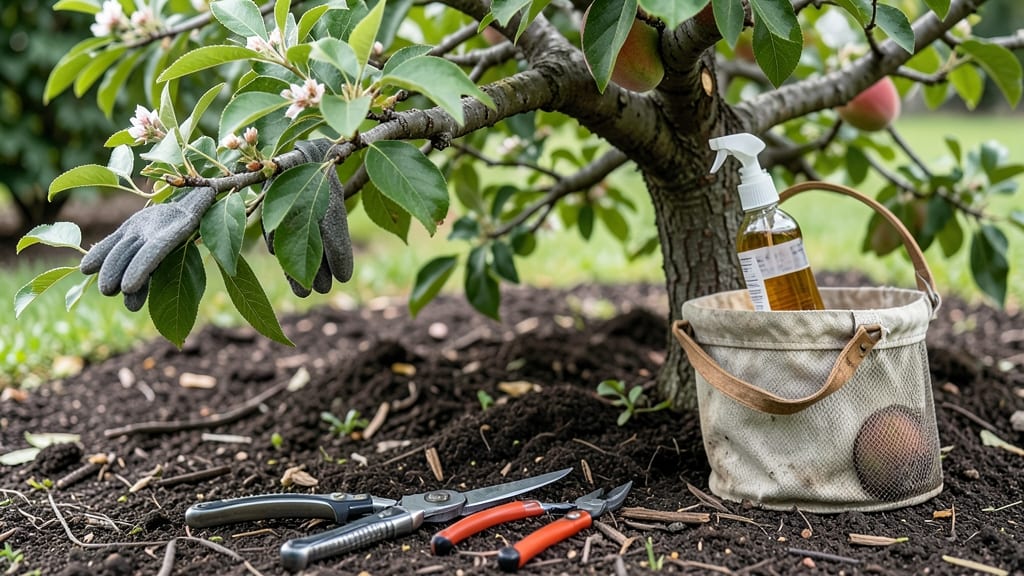
Pruning peach trees isn’t just about cutting branches—it’s about unlocking next year’s harvest while keeping the tree healthy. 🌿 I’ve learned the hard way that skipping this step means fewer fruit and weaker wood, but doing it right transforms your tree into a productive powerhouse.
The key is timing: winter’s the best season to shape the tree, while summer pruning focuses on cleaning up after fruit sets.
You’ll need sharp pruning shears, a saw for thicker branches, and a clean workspace. Start by removing dead, diseased, or crossing branches first—they’re the easy wins that improve airflow and sunlight.
Then, open the center of the tree to let light reach the inner branches, which is where next year’s fruit buds form. Think of it like giving your tree a spa day: less clutter means more energy for growth.
By summer’s end, you’ll notice stronger canes and fewer fruitless branches. The tree will reward you with bigger harvests and fewer diseases, thanks to better airflow. Pruning isn’t just maintenance—it’s an investment in your tree’s future. With the right cuts, you’ll see the difference in just one growing season.
Works for both young trees and mature ones, though the approach shifts slightly with age. Young trees need more shaping, while older trees focus on rejuvenation. Here’s how to adapt your pruning as your tree grows—without overdoing it.
📚 In This Guide
- What you need
- Instructions
- Tips and common mistakes
- Wrapping up and next steps
What you need
- ● Pruning shears: Bypass pruners (4–6" blades) for small branches (avoid anvil shears—they crush wood). Quantity: 1 pair.
- ● Loppers: For branches ½"–1½" thick (longer handles for leverage). Quantity: 1 pair.
- ● Pruning saw: For thick branches (2" or larger). Quantity: 1 (with a curved blade for smooth cuts).
- ● Gloves: Heavy-duty, cut-resistant (e.g., leather or reinforced fabric). Quantity: 1 pair.
- ● Disinfectant: 70% isopropyl alcohol or a 10% bleach solution (to sterilize tools between cuts). Quantity: Small spray bottle or wipe.
- ● Rubbing alcohol or hydrogen peroxide: For cleaning wounds on the tree (3% solution). Quantity: Small bottle.
- ○ Pruning sealant (optional but helpful): Tree wound paste (e.g., Tanglefoot Tree Wound Pruning Sealer). Quantity: Small tube.
- ● Ladder or step stool: For reaching higher branches (ensure it’s stable and tall enough for your tree’s height).
- ● Trash bags or bucket: For collecting pruned branches and debris. Quantity: 1–2.
- ● Hand saw: For stubborn, thick branches that loppers can’t handle.
- ● Pole pruner: Extendable tool for high branches (if you lack a ladder).
- ● Marking spray: Temporary paint or spray to mark branches for removal (great for planning!).
- ● Work apron: With pockets to keep tools and small supplies handy.
- ● Safety glasses: Protect your eyes from debris, especially when using a saw.
Step-by-Step guide to pruning peach trees for health and fruit
Here’s the straightforward method I use every year to keep my peach trees productive and disease-free.
✂️ Step 1: Prune in Late Winter Before Bud Break
Start your pruning 3-4 weeks before your last frost date, when the tree is still dormant but buds haven’t swollen. This timing prevents stressing the tree too early in the season. Grab your clean, sharp pruners—dull blades tear bark, inviting disease. I always sterilize them with rubbing alcohol first to avoid spreading bacteria.
Remove dead, diseased, or crossing branches first. These are your top priorities—they crowd the tree, compete for energy, and trap moisture. Look for branches with blackened cankers or mushy, oozing wounds—cut these out completely, then disinfect your pruners again between cuts. Aim to open the center of the tree so light and air circulate freely.
🌿 Step 2: Shape the Tree for Balance and Light
Next, focus on structural balance. Peach trees grow best with a central leader (main upward branch) and well-spaced scaffold branches (the main limbs). If your tree has multiple leaders, prune all but the strongest one back to a bud facing the direction you want growth. This prevents weak forks and future breakage.
Thin out excessive branches to leave 6-8 inches of space between them. You’ll see stronger fruit production when branches aren’t competing for sunlight. Prune back to an outward-facing bud (about ¼ inch above it) to encourage new growth that angles away from the center. Avoid leaving stubs—this invites rot and weak regrowth.
✂️ Step 3: Light Summer Pruning After Harvest
After the fruit harvest, do a light pruning to remove suckers (shoots growing from the base or trunk) and water sprouts (fast-growing vertical shoots). These drain energy from the tree. Use hand pruners for small branches and loppers for thicker ones—never prune more than ¼ of the tree’s canopy in one session to avoid shock.
Look for overly dense areas where branches rub together. These spots create wounds and reduce fruit quality. Trim back the smaller branch to the trunk or a lateral bud. I also remove deadheading spent blossoms (if any remain) to redirect the tree’s energy toward next year’s fruit rather than seed production.
⏰ Step 4: Clean Up and Monitor Year-Round
After pruning, collect and dispose of all clippings—don’t compost them, as they can harbor fungal spores. Rake up fallen leaves and debris around the base to reduce pests and diseases. Now’s also the time to apply a fresh layer of mulch (2-3 inches thick) to retain moisture and regulate soil temperature.
Throughout the growing season, watch for new growth that’s too vigorous or misplaced. Prune these sparingly to avoid stressing the tree. In late summer, if you notice suckers or water sprouts, trim them back immediately. This keeps the tree focused on developing strong canes for next year’s harvest.
Tips & tricks for pruning peach trees
These simple strategies will help you prune like a pro and keep your peach trees thriving for years.
Timing is Everything: Those 3-4 weeks before your last frost date are critical because the tree is still dormant but ready to respond to pruning. If you prune too early, you risk stressing the tree before it's ready to heal. I've learned this the hard way—once, I pruned too early and my tree struggled to produce fruit that season. Mark your calendar based on your local frost dates to stay on track.
Tool Prep Makes All the Difference: Sterilizing your pruners with rubbing alcohol between cuts in Step 1 is non-negotiable. I used to skip this step and ended up with more diseased branches than I removed. The alcohol kills bacteria and fungi that can spread from cut to cut. Also, make sure your blades are sharp—dull pruners tear bark, creating larger wounds that take longer to heal and invite pests.
Bud Direction Determines Growth: When pruning back to a bud in Step 2, always choose one that faces outward and in the direction you want new growth. This creates an open center that lets sunlight and air reach all parts of the tree. I used to just cut randomly and ended up with branches growing inward, creating a dense center that blocked light and trapped moisture—perfect conditions for disease.
Seasonal Maintenance is Key: That light summer pruning in Step 3 isn't optional—it's essential for keeping your tree healthy. I've seen trees that went years without summer pruning develop weak canes and poor fruit quality. Focus on removing those suckers and water sprouts as soon as you spot them. These fast-growing shoots steal energy from fruit production and create weak growth that breaks easily.
Pro Tips for Prune Peach
- These simple strategies will help you prune like a pro and keep your peach trees thriving for years.
- Timing is Everything: Those 3-4 weeks before your last frost date are critical because the tree is still dormant but ...
- Tool Prep Makes All the Difference: Sterilizing your pruners with rubbing alcohol between cuts in Step 1 is non-negot...
Frequently asked questions
Got questions about peach tree pruning? You’re not alone! Whether you're a first-time pruner or a seasoned gardener looking for a refresher, here are some of the most common questions—and answers—to keep your tree thriving.
When is the best time to prune a peach tree?
The ideal time is late winter or early spring (just before buds swell) when the tree is dormant. Avoid pruning in fall—it can leave wounds vulnerable to disease. If you must prune in summer, do so after harvest to minimize stress.
Can I prune a peach tree in summer?
Yes, but lightly! Summer pruning is best for shaping, removing suckers, or thinning fruit clusters to improve size. Avoid heavy cuts—focus on airflow and light penetration. Water the tree afterward to reduce stress.
What if I prune at the wrong time?
Pruning too late (spring) risks silver leaf fungus, while fall pruning can invite pests. If you’ve already pruned outside the ideal window, don’t panic—just monitor for signs of stress (yellowing leaves, dieback) and adjust care (watering, mulching) to help recovery.
How much should I cut back a young peach tree?
For first-year trees, aim to remove about 20–30% of the canopy to encourage strong branching. Focus on dead, crossing, or weak branches first. Avoid over-pruning—you want to maintain a balanced shape for future fruit production.
Do I need special tools for peach tree pruning?
Basic tools like bypass pruners (for small branches), loppers (thicker branches), and a pruning saw (large limbs) work well. Sterilize tools with rubbing alcohol between cuts to prevent disease spread. A glove and sharpener are also handy!
What if my peach tree has no fruit after pruning?
Lack of fruit could mean over-pruning (reduced blooms) or poor pollination. Check for buds—healthy trees should have plenty. If needed, fertilize lightly in spring and ensure cross-pollination (plant another peach variety nearby). Patience helps—fruit takes 1–2 years to return after heavy pruning.
Wrapping up and next steps
Pruning your peach tree isn’t just about trimming—it’s about nurturing a healthier, more productive tree!
By following these year-round techniques, you’ll encourage better airflow, stronger canes, and a bountiful harvest for years to come. 🌱✨ Whether you’re a seasoned gardener or just starting, every snip brings you closer to that perfect peach orchard vibe.
Ready to roll up your sleeves? Grab your pruners and head outside! Start with your next pruning session—whether it’s shaping in early spring or cleaning up in late winter—and watch your peach tree thank you with juicy, sweet fruit. Happy pruning! 🍑💪