
Pruning
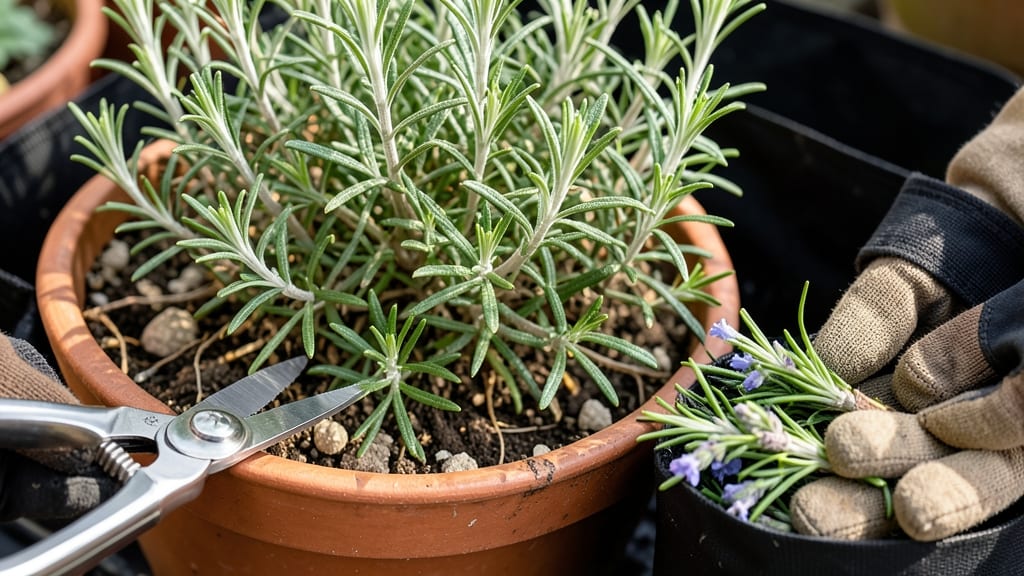
How to prune a rosemary plant isn’t just about keeping it tidy—it’s the secret to thicker growth and longer harvests. 🌿 I’ve turned my once-lanky rosemary into a bushy, fragrant powerhouse by pruning at the right time and with the right cuts. The key? Timing it after flowering or in early spring, when the plant’s energy is ready to rebound. You’ll only need clean, sharp pruners (or even kitchen scissors in a pinch) and a little patience. Snip just above a leaf node at a 45-degree angle to encourage new shoots. Avoid cutting into old, woody stems—those won’t regrow. Think of it like giving your plant a haircut: shape it, but never shave it down. After pruning, your rosemary will reward you with new growth in 2-3 weeks, and the fragrance will be stronger than ever. The cuttings you remove? Stick them in soil—they root easily for free new plants. Just don’t overdo it: prune no more than one-third of the plant at once. This works for both potted and in-ground rosemary, whether you’re growing it for cooking, garnishes, or just the scent. Let’s get those shears ready!
📚 In This Guide
- What you need
- Instructions
- Tips and common mistakes
- Wrapping up and next steps
What you need
- ● Pruning shears or sharp bypass pruners – Choose sterilized, sharp shears (size: 5–7 inches) to avoid crushing stems or spreading disease. Example: Felco F2 or Gonicc pruners.
- ● Hand pruners (for smaller stems) – A pair with ergonomic grips (e.g., Corona Tools or Fiskars) for precision cuts under ¼ inch in diameter.
- ○ Gloves (optional but recommended) – Garden or nitrile gloves to protect against thorns and sap irritation.
- ● Disinfectant (70% isopropyl alcohol or bleach solution) – 1 part bleach to 9 parts water to sterilize tools before/after pruning.
- ● Trash bag or bucket – For collecting pruned branches (avoid composting diseased or pest-infested clippings).
- ● Hose or water source – To rinse tools and clean cuts post-pruning.
- ● Loppers – For thick, woody stems (1–2 inches in diameter). Look for bypass-style loppers like the Fiskars X27.
- ● Rubbing alcohol wipes – Quick tool disinfection between cuts.
- ● Potted rosemary or cuttings container – If you plan to propagate from pruned branches.
- ● Plant food (balanced fertilizer, 10-10-10) – Apply lightly after pruning to encourage regrowth (¼ tsp per gallon of water).
- ● Pruning saw (for established, overgrown plants) – A curved blade saw for stubborn, thick growth.
Step-by-Step guide to pruning rosemary for bushier growth
Here's how I keep my rosemary lush and productive—no guesswork, just proven techniques.
✂️ Step 1: Prune After Flowering to Encourage New Growth
Cut back the flower spikes as soon as they appear—this redirects energy to leaf production instead of seed development. Use clean, sharp pruners to make a 45-degree angle cut just above a leaf node. You'll see fresh, vibrant growth within 2-3 weeks if you prune at the right time.
I always prune in late spring or early summer when new growth is already pushing out. Avoid heavy pruning in fall or winter—rosemary needs its energy to harden off for dormancy. If you wait too long, the plant may focus on flowering rather than producing new leaves.
🌿 Step 2: Shape the Plant for Fullness and Airflow
Trim the outer stems by one-third to encourage branching. Focus on the longest stems first—they're the ones that steal energy from the rest of the plant. Cut just above a set of leaves where new growth can emerge. You'll notice new side shoots forming within 3-4 weeks if the plant is healthy.
Rosemary grows in a woody, upright habit, so I avoid shearing it into a tight ball. Instead, I lightly pinch back the tips of the main stems to encourage bushier growth. If you see bare stems at the base, it's a sign you've pruned too aggressively—next time, cut back less.
⏰ Step 3: Lightly Prune in Late Winter for Spring Revival
In late winter or early spring, give your rosemary a light trim to remove any dead or damaged growth. Cut back to just above a healthy leaf node—this stimulates fresh growth before the active growing season begins. You'll see new shoots emerging within 2-3 weeks as temperatures rise.
This is also the time to thin out crowded stems. If your rosemary looks leggy or sparse, prune the oldest stems first—they're the least productive. Avoid heavy pruning in winter, as the plant is still dormant. A light trim is enough to shape it without stressing the plant.
💧 Step 4: Prune for Harvesting and Propagation
When harvesting sprigs for cooking, always cut just above a leaf node to encourage branching. Never take more than one-third of the plant at once—this ensures it stays healthy and continues producing. If you're propagating from cuttings, take 4-6 inch stems from the tips of healthy branches.
Strip the lower leaves from the cutting and dip the base in rooting hormone (optional but helpful). Place the cutting in moist potting mix and keep it in a bright, indirect light spot. Roots should form within 4-6 weeks—you'll see new growth at the base as a sign it's taking.
☀️ Step 5: Adjust Pruning for Sun Exposure and Climate
Rosemary in full sun can handle slightly harder pruning, but if yours is in partial shade, prune more lightly to avoid stress. In hot climates, prune in early morning or late evening to prevent sunburn on fresh cuts. You'll know you're pruning correctly when the plant looks fuller and more compact.
If your rosemary is in a container, prune more frequently—potted plants grow faster and need regular shaping. Always use sterilized pruners to prevent disease. A quick wipe with rubbing alcohol between cuts keeps tools clean and your plant healthy.
Tips & tricks for pruning rosemary for bushier growth
These simple strategies will help you maintain your rosemary's health and productivity year-round.
Timing is Everything: The 2-3 week growth window after pruning is crucial—this is when your rosemary recovers and produces new shoots. If you notice new growth starting before the 3-4 weeks mentioned in Step 2, that's a great sign your plant is thriving! In hot climates, prune in early morning or late evening to prevent sunburn on fresh cuts, especially after Step 5 adjustments.
Tool Preparation Matters: Always sterilize your pruners between cuts with rubbing alcohol—this prevents the spread of disease that can weaken your plant. I keep a small bottle of 70% isopropyl alcohol handy and wipe my pruners after every 3-5 cuts. A clean cut also heals faster, which is especially important when making those 45-degree angle cuts in Step 1.
Visual Growth Cues: Look for these signs of healthy pruning: new shoots emerging within 2-3 weeks (Steps 1 and 3), side shoots forming in 3-4 weeks (Step 2), and a fuller appearance after propagation (Step 4). If you see bare stems at the base after Step 2, you've pruned too aggressively—next time, trim back less. Healthy rosemary should have vibrant green leaves all the way to the base.
Pro Tips for Prune Rosemary Plant
- These simple strategies will help you maintain your rosemary's health and productivity year-round.
- Timing is Everything: The 2-3 week growth window after pruning is crucial—this is when your rosemary recovers and produces new shoots.
- Tool Preparation Matters: Always sterilize your pruners between cuts with rubbing alcohol—this prevents the spread of disease that can weaken your plant.
Frequently asked questions
Got questions about pruning rosemary? You’re not alone—this hardy herb can be tricky to trim without overdoing it! Below, we’ve rounded up the most common concerns and straightforward answers to keep your rosemary thriving.
When is the best time to prune rosemary?
Prune rosemary early spring (just as new growth starts) or after flowering (late spring to early summer). Avoid heavy pruning in winter—rosemary is semi-evergreen but can suffer from cold damage. Light trimming to shape is fine year-round, though!
Can I prune rosemary too much?
Yes! Over-pruning—especially cutting into old wood (woody stems)—can stress the plant and even kill it. Stick to 1/3 of the plant’s height max per session and avoid stripping bare stems. Rosemary recovers slowly, so patience is key!
How do I prune rosemary for bushier growth?
To encourage fullness, trim just above a leaf node (where leaves meet the stem) using clean, sharp shears. Focus on inner branches to improve airflow and sunlight penetration. Avoid "topping" (cutting the very top)—this can make rosemary leggy.
What should I do if my rosemary turns brown after pruning?
Brown tips or stems after pruning? Don’t panic—it’s often normal, especially if you trimmed too close to woody parts. Reduce watering (rosemary hates soggy soil) and ensure it gets full sun (6+ hours/day). If large sections die back, prune those off and wait for new growth.
Can I prune rosemary indoors or in containers?
Container-grown rosemary
needs pruning too—just follow the same rules as outdoor plants. Since pots limit root space, prune more lightly (every 4–6 weeks) to prevent overcrowding. Dwarf varieties (like ‘Prostratus’) may need regular trimming to control sprawl.
Wrapping up and next steps
Pruning your rosemary plant doesn’t have to be intimidating—with the right tools and timing, you’ll encourage lush, healthy growth and even more fragrant foliage!
Remember to trim regularly, avoid over-pruning, and harvest wisely to keep your plant thriving year-round. 🌿 Now that you’re armed with these tips, why not take the next step? Try pruning your rosemary today and watch it flourish—your kitchen (and garden) will thank you!