
How To
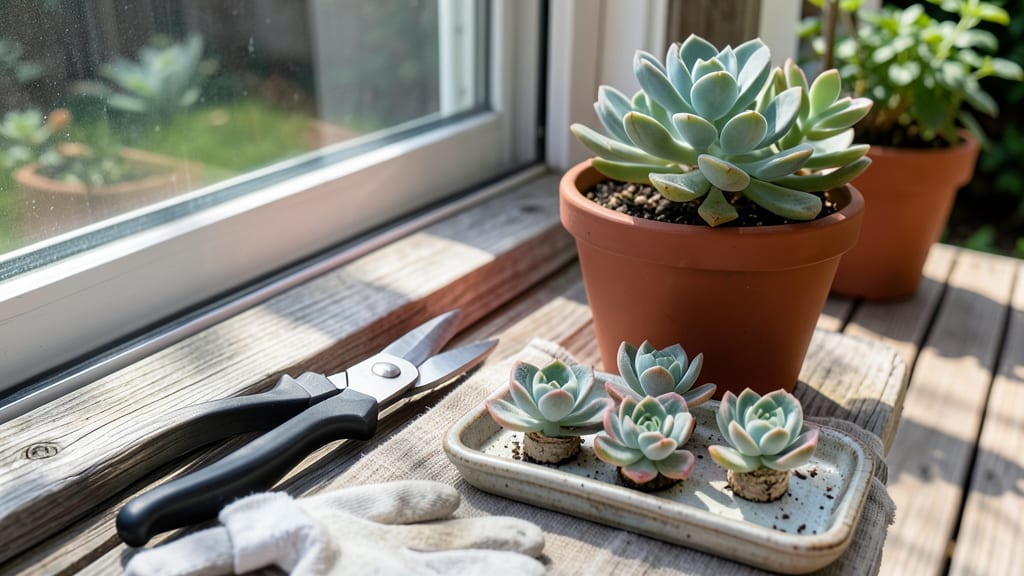
Pruning succulents isn't just about trimming—it's how you get those shockingly lush, bushy plants that steal the show. 🌵 I've turned leggy, sad-looking succulents into thriving, compact shrubs just by following a few simple rules, and you can too.
The best part? You can prune almost anytime, but timing it right maximizes results.
Start with clean, sharp scissors or pruners to avoid crushing stems. Cut just above a leaf node where new growth will sprout—this is where the magic happens. What you end up with is a fuller plant that stays healthy longer, and those cuttings?
They root easily for free new plants. Just avoid over-pruning (more than a third at once) or you'll stress the plant.
📚 In This Guide
- What you need
- Instructions
- Tips and common mistakes
- Wrapping up and next steps
What you need
- ● Sharp pruning shears or scissors – Sterilized, clean, and sharp (avoid dull tools that crush stems).
- ● Rubbing alcohol (70% or higher) – For sterilizing tools before and after use (prevents bacterial spread).
- ○ Small container or tray – For collecting cuttings (optional but helpful for propagation).
- ● Well-draining soil mix – Cactus/succulent blend (3 parts potting soil + 1 part perlite/sand).
- ● Watering can or spray bottle – For misting cuttings (use sparingly!).
- ● Rooting hormone – Speeds up propagation for stubborn cuttings.
- ● Hydrogen peroxide (3%) – Diluted to 1:10 ratio for sterilizing wounds on large succulents.
- ● Gloves – If your succulent has thorns (like Echeveria or Mammillaria).
- ● Plant labels – To track varieties if propagating multiple types.
Step-by-step guide to pruning succulents for full, lush growth
Pruning isn't just about cutting back—it's how you encourage succulents to grow thicker, fuller, and healthier.
✂️ Step 1: Identify What to Prune
Start by examining your succulents for stems that are leggy, damaged, or growing in odd directions. These are your targets. Healthy growth appears compact and upright, while leggy stems stretch toward light and become thin and elongated. I always prune in the morning when the plant is well-hydrated and the air is cool—this reduces stress on the plant.
Look for stems that are at least 1-2 inches long before cutting. Shorter stems may not regenerate well. Use a clean, sharp pair of pruning shears or scissors to make clean cuts. Avoid tearing the stems, as this can leave jagged edges that heal poorly and invite rot.
✂️ Step 2: Make the Right Cuts
Cut just above a leaf node or a healthy section of the stem. This is where new growth will sprout. If you're pruning a leggy stem, cut it back to about ½ inch above the leaf node. For damaged or dead leaves, snip them off at the base where they meet the stem. Never leave stubs—always cut cleanly to prevent moisture buildup, which can cause rot.
If you're pruning a particularly long stem, you can cut it into sections. Each section with a leaf node can root and grow into a new plant. This is a great way to propagate your succulents while keeping them bushy. Just let the cuttings dry out for a day or two before planting them in fresh soil.
🌱 Step 3: Encourage New Growth
After pruning, place your succulents in a spot with bright, indirect light for a few days. This helps them recover without the stress of direct sunlight right after cutting. You'll notice new growth starting within 2-4 weeks, depending on the succulent type and the season. Some fast growers like echeverias may sprout new leaves sooner, while others like snake plants might take a bit longer.
During this time, water lightly—just enough to keep the soil slightly moist but not soggy. Overwatering now can drown the new growth before it has a chance to establish itself. Once you see new shoots emerging, you can gradually reintroduce them to their usual light conditions.
✂️ Step 4: Maintain and Repeat
Pruning isn't a one-time task—it's an ongoing process to keep your succulents looking their best. I like to prune mine every 3-6 months, depending on how fast they grow. Regular pruning prevents overcrowding and ensures that air circulates well around the plant, reducing the risk of fungal issues.
As you prune, collect the cuttings and let them dry out for a day or two. Once they've calloused over, you can plant them in fresh soil to grow into new succulents. This way, you're not just keeping your existing plants healthy—you're also expanding your collection without spending a dime.
💧 Step 5: Care for Pruned Succulents
After pruning, your succulents will need a little extra care to bounce back. Make sure they're in well-draining soil and a pot with drainage holes to prevent water from pooling around the roots. Water sparingly for the first week after pruning, then return to your regular watering schedule.
Watch for signs of stress, like yellowing leaves or wilting. If you see these, it might mean you're overwatering or the plant isn't getting enough light. Adjust your care routine as needed, and your succulents will thank you with lush, vibrant growth. With consistent pruning, your succulents will stay full and beautiful year-round.
Tips & tricks for pruning succulents
These simple tricks will help you transform leggy succulents into bushy, vibrant plants with minimal effort.
Timing is Everything: The morning after a good watering is the best time to prune. Succulents are fully hydrated, which makes the stems firmer and easier to cut cleanly. Avoid pruning in the afternoon heat—it stresses the plants and can lead to slower recovery. I've seen plants recover twice as fast when pruned at the right time.
Tool Selection Matters: Don't use dull scissors or shears—they crush stems instead of making clean cuts. Invest in a good pair of pruning shears or even a sharp knife for small jobs. Sterilize your tools with rubbing alcohol between cuts to prevent spreading disease. I keep a small bottle of alcohol handy while I work to ensure every cut is both clean and safe.
Propagate While You Prune: Every cutting you make can become a new plant! Let your cuttings dry out for 24 hours before planting in fresh, well-draining soil. Place them in bright, indirect light until they root—usually within 2-4 weeks. This is how I've expanded my collection from 5 plants to over 50 without spending a dime!
Light Recovery Strategy: After pruning, move your succulents to bright, indirect light for at least 3 days. This prevents sunburn on fresh cuts while still providing enough light for recovery. Gradually reintroduce them to direct sunlight once new growth appears. I've noticed faster recovery when I use sheer curtains to diffuse harsh afternoon light during this period.
Pro Tips for Prune Succulents
- These simple tricks will help you transform leggy succulents into bushy, vibrant plants with minimal effort.
- Timing is Everything: The morning after a good watering is the best time to prune.
- Tool Selection Matters: Don't use dull scissors or shears—they crush stems instead of making clean cuts.
Frequently asked questions
Got questions about pruning succulents?
You’re not alone! Here are answers to the most common queries—whether you're a beginner or a seasoned plant parent.
When is the best time of year to prune succulents?
Prune succulents in early spring or late summer for best results. This timing aligns with their natural growth cycles and gives them time to recover before winter dormancy. Avoid heavy pruning in fall or winter, as growth slows down.
Can I prune succulents too much?
Yes! Over-pruning can stress your plants, leading to leggy growth or stunted development. Stick to removing no more than 1/3 of the plant at a time and avoid cutting into the thick, fleshy stems excessively. Less is often more with succulents!
What should I do with the cuttings after pruning?
Don’t toss those cuttings! Let them dry and callous over for 1–3 days, then place them in well-draining soil or a water propagation jar. Most succulents root easily—just keep them bright and warm until new growth appears!
Why are my pruned succulents developing mushy spots?
Mushy spots after pruning usually mean overwatering or poor drainage. Wait until the cut ends are fully dry before replanting, and use a cactus/succulent mix. If spots appear, trim them off with clean scissors and avoid watering until the area heals.
Do I need special tools to prune succulents?
Not necessarily! While sharp pruning shears or a knife work best, you can use clean, sterilized scissors in a pinch. Just ensure tools are disinfected (rubbing alcohol works) to prevent disease. Avoid tearing stems—clean cuts heal faster!
Wrapping up and next steps
Pruning succulents is a simple yet powerful way to keep them thriving and encourage that lush, bushy growth you love! 🌱 Whether you're trimming for propagation, shaping, or health, the key is to go slow, stay patient, and observe your plants.
With the right tools and timing, you’ll turn pruning from a chore into a rewarding part of your succulent care routine.
Ready to see your collection flourish? Start with one plant today—grab those clean snips and get pruning! And don’t forget to share your progress or ask questions in the comments below. Happy growing! 🌟