
Pruning
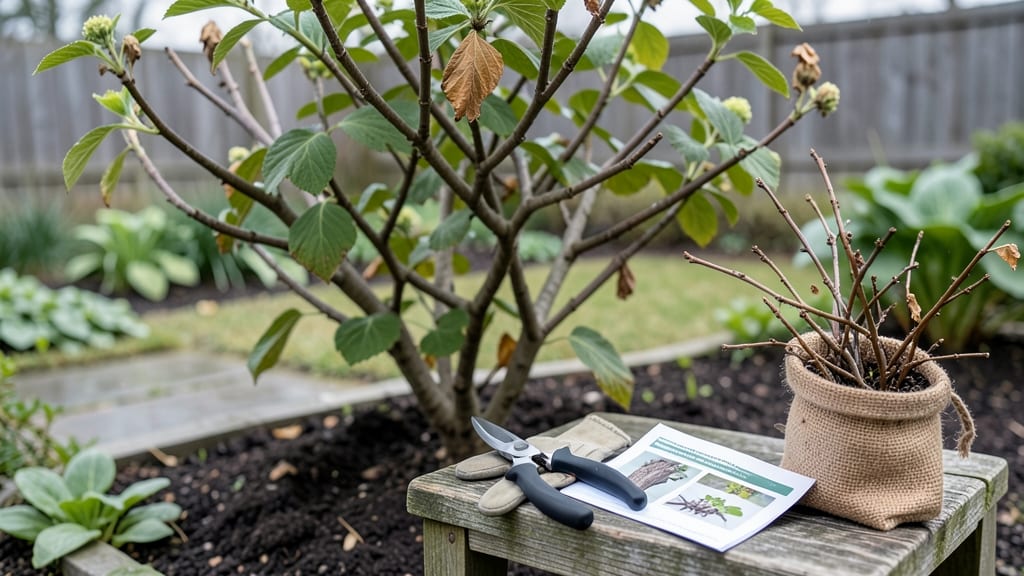
Pruning hydrangeas at the right time transforms your garden from a sleepy winter mess into a showstopper of color and structure.
Picture this: You’re staring at your dormant 🌸 hydrangea in late winter, wondering if those bare branches will ever burst into life again. The truth? A single misstep in timing can mean the difference between lush blooms and sad, leggy stems.
Late winter is your golden window—but not all hydrangeas play by the same rules.
Most varieties, like mopheads and bigleaf types, need a sharp trim in late February or March, while panicle hydrangeas wait until spring. Skip this step, and you might end up with fewer flowers or even dead wood.
Worse, pruning too late can leave your plant vulnerable to frost damage or weak growth.
In this guide, I’ll break down the exact late-winter timing for every hydrangea type, plus how to spot the signs of dormancy and avoid the three biggest pruning mistakes that kill blooms before they even start. Let’s get those stems ready for a spectacular spring.
When to prune hydrangeas: late winter timing by variety
Late winter is the golden window for hydrangea pruning, but not all varieties follow the same schedule. I’ve pruned mophead hydrangeas too early and watched their blooms fade—don’t make that mistake! The key is understanding each type’s unique growth cycle.
For example, panicle hydrangeas bloom on new wood, while mophead types rely on old wood. Let’s break down the exact timing for each, plus regional tweaks for USDA Zones 3-9.
Timing your prune right after the last frost date (typically mid-to-late March in most zones) ensures your hydrangeas wake up with fresh energy for spring. But if you’re in Zone 3 or 4, wait until April—cold snaps can still damage tender new growth.
I always check my local extended forecast before grabbing my pruners. The goal? Remove dead or diseased wood while leaving next year’s blooms intact.
Here’s the critical difference between varieties: Mophead (like 'Endless Summer') and bigleaf types need minimal pruning—just trim back last year’s blooms and shape.
Meanwhile, panicle hydrangeas (such as 'Limelight') can take hard pruning since they bloom on new shoots. Oakleaf and smooth hydrangeas fall somewhere in between, so let’s clarify their schedules next.
| Hydrangea Type | Pruning Time | What to Cut | Blooms On | Zone Adjustments |
|---|---|---|---|---|
| Mophead (e.g., 'Endless Summer') | Late February–March | Dead blooms + 1-2 buds from base | Old wood | Zone 3-4: Wait until April |
| Panicle (e.g., 'Limelight') | Late March–April | 1/3 of plant height | New wood | Zone 5-9: Prune earlier |
| Oakleaf (e.g., 'Snow Queen') | Early March | Dead wood + shape lightly | Old wood | Zone 4-7: Delay until late March |
| Smooth (e.g., 'Annabelle') | Late February–March | 1/2 of plant height | New wood | Zone 6-9: Prune by March 15 |
For mophead hydrangeas, I focus on deadheading last year’s blooms while leaving 2-3 buds on each stem. This ensures next year’s flowers form on the old wood.
I’ve seen gardeners cut too aggressively and end up with bare stems—avoid this by marking 1/3 of the plant’s height as your cutoff point. Panicle types, however, thrive when pruned harder since they bloom on new growth.
Think of it like giving them a fresh start for summer.
If you’re in a warmer climate (Zones 8-9), you might prune as early as February. But in colder zones (3-5), delay until after the last frost—usually mid-April.
I once pruned my oakleaf hydrangea too soon in Zone 4, and a late frost killed new shoots. Now, I wait until mid-May to be safe. Always check your local frost dates and adjust accordingly.
One common mistake is pruning after buds swell in early spring. This removes potential blooms for the season. Instead, prune when the plant is dormant but before buds break.
For smooth hydrangeas, I cut back half the plant’s height to encourage dense, bushy growth. The result? Bigger blooms and a neater shape by summer.
After pruning, I always fertilize lightly with a balanced 10-10-10 mix to jumpstart growth. Hydrangeas are heavy feeders, but too much fertilizer too soon can burn roots.
I also add 2-3 inches of mulch to retain moisture and regulate soil temperature. This step is non-negotiable for first-year pruned plants—they
Step-by-Step late winter pruning guide for maximum blooms
Late winter is the perfect time to prune hydrangeas because plants are dormant yet visible dead wood stands out. This is when you’ll revitalize growth and encourage bigger blooms next season.
The key? Timing and precision—cut too early, and you risk frost damage; wait too long, and new buds form on old wood.
Before grabbing your pruners, inspect your hydrangeas for dead or diseased stems. These will be brown and brittle, unlike healthy green stems. Remove these first—they’re blocking energy from reaching new growth.
Next, look for crossing branches or those growing inward; these should go too to improve airflow and prevent fungal issues.
- ✂️ Step 1: Gather Tools – Use clean, sharp pruners and gloves. Disinfect tools with rubbing alcohol to prevent disease spread.
- 🌱 Step 2: Identify Dead Wood – Snap a brown, brittle stem; if it snaps dry, it’s dead. Remove these first to clear space for new growth.
- 📏 Step 3: Shape the Plant – Cut 1/3 of old wood from the base, focusing on outward-facing branches to create an open center.
- ⚠️ Step 4: Avoid Over-Pruning – Never cut more than 1/3 of the plant. Mophead hydrangeas bloom on old wood; leave some stems intact.
- 💧 Step 5: Post-Prune Care – Apply mulch around the base and water deeply. Fertilize in early spring with balanced 10-10-10 for a growth boost.
For mophead hydrangeas (like Endless Summer), focus on rejuvenating old wood by cutting back last year’s blooms to strong buds.
These varieties bloom on old wood, so avoid heavy cuts—just shape and clean up. Panicle hydrangeas, however, thrive when you cut back hard to 1-2 feet tall; they bloom on new wood, so aggressive pruning encourages larger flowers.
One common mistake is pruning too late in spring, which can remove next year’s blooms. Another is using dull tools, which crush stems instead of cleanly cutting them.
Always sterilize tools between cuts to prevent bacterial spread. After pruning, step back and admire your open, airy structure—this is your foundation for summer blooms.
Finish by watering thoroughly and adding compost to the soil. This boosts nutrients for new growth. In USDA Zones 6-9, late winter pruning (around February-March) aligns with dormant season, but in warmer zones, wait until early spring to avoid early budding.
Your hydrangeas will thank you with vibrant, abundant blooms all season.
Pro tip: Label your plants before pruning if you have multiple varieties. This ensures you prune each type correctly—mophead, panicle, or oakleaf—each has unique needs for optimal blooming. 🌸