
Pruning
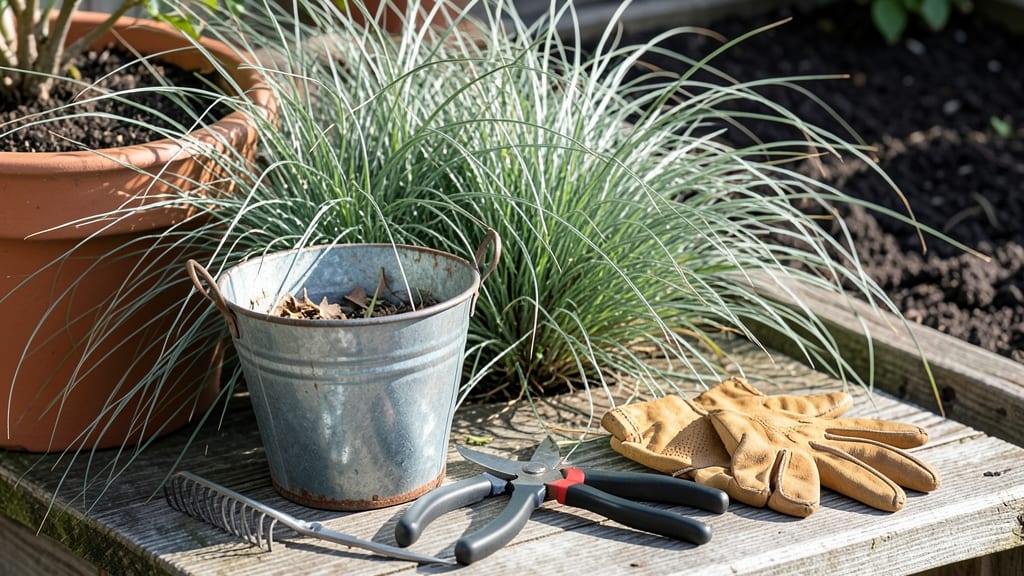
Pruning Mexican feather grass keeps it looking like a dreamy, airy cloud instead of a tangled mess. ✨ The right timing and technique make all the difference—cut too much at the wrong time, and you’ll end up with bare patches or stunted growth.
But do it right, and your grass stays lush, upright, and ready to sway in the breeze all year.
Start in early spring before new growth appears, and trim back any dead or overgrown stems to about 4-6 inches from the base. Avoid pruning in late fall or winter, when the plant is dormant—this can stress it and leave it vulnerable to cold.
A sharp pair of pruners or hedge shears is all you need, but skip the heavy-handed approach: feather grass is delicate and recovers best with gentle shaping.
You’ll notice a rebound of fresh, feathery growth within weeks, with a fuller silhouette by summer. The key is consistency—light trims every 4-6 weeks keep it looking intentional, not wild.
Overgrown clumps? Cut them back gradually to avoid shocking the plant, and always leave some of those signature wispy blades to maintain its signature texture.
This method works for containers, borders, or mass plantings—just adjust the height based on your design goals. Whether you’re keeping it low and neat or letting it cascade, the same principles apply. Now grab those shears and get ready for grass that looks effortlessly chic all season long.
📚 In This Guide
- What you need
- Instructions
- Tips and common mistakes
- Wrapping up and next steps
What you need
- ● Hand pruners or shears: Sharp, bypass-pruning shears (4-6 inch blades) for precision trimming.
- ● Heavy-duty garden gloves: A pair of durable, cut-resistant gloves (size medium or large) to protect your hands.
- ● Rake or stiff-bristle brush: A metal or plastic rake with medium-tooth spacing (12-18 inches wide) to clear debris.
- ○ Garden twine or string: A 50-foot roll (optional but helpful for tying back overgrown sections temporarily).
- ○ Pruning saw (optional but handy): A folding pruning saw with a 7-8 inch blade for thicker, woody stems.
- ● Wheelbarrow or large trash bags: A 3-cubic-foot wheelbarrow or 13-gallon bags for collecting clippings.
- ○ Hose with nozzle: For a quick rinse-down after pruning (optional but refreshing!).
- ● Knee pads: For comfort if you’re kneeling or crouching for extended periods.
- ● Pruning shears with extended handles: For reaching taller clumps without straining.
- ● Disinfectant (rubbing alcohol or bleach solution): To clean tools between cuts and prevent disease spread.
- ● Plant food or compost: A slow-release fertilizer (like 10-10-10) or compost to nourish the grass post-prune.
- ● Safety glasses: If you’re dealing with dusty or dry conditions.
How to prune Mexican feather grass for year-round structure
This is the method I use to keep my ornamental grasses looking intentional—not wild—through every season.
✂️ Step 1: Assess Growth and Identify Dead Material
Start in late winter or early spring when new growth begins. Mexican feather grass (Nassella tenuissima) has a distinctive bamboo-like structure with hollow stems that turn brown and brittle when dead. Run your fingers through the clump—any stems that crumble at the touch are ready for removal.
I like to prune on a dry, sunny morning when the grass is fully dry. This makes it easier to distinguish between dead and dormant stems. Look for tan or straw-colored sections at the base—these are your targets. Healthy growth will be green or emerging from the center of the plant.
✂️ Step 2: Cut Back Dead Growth to the Base
Use sharp, clean pruners (or a serrated knife for thicker clumps) to slice through the dead stems at the soil line. Mexican feather grass is delicate—avoid crushing the stems, which can damage the crown. If you’re working with a large plant, I recommend cutting in thirds to avoid overloading the plant with new growth at once.
Don’t worry about leaving a few dead stems behind—they’ll break down naturally over time. The goal is to open up the center of the plant so light and air can circulate. This encourages fresh, feathery new growth to emerge from the base, which is what gives Mexican feather grass its signature airy texture.
🌱 Step 3: Thin Overcrowded Stems for Airflow
Even healthy Mexican feather grass can become too dense over time, especially if it’s been a few years since the last prune. In late spring or early summer, inspect the plant for thin, weak stems that aren’t contributing to the overall shape. These are often found in the center or edges of the clump.
Gently grasp a stem near the base and pull it straight out—it should come away cleanly if it’s ready for removal. For stubborn stems, use your pruners to cut at the base. Space remaining stems 2-3 inches apart to allow for proper airflow. This prevents fungal issues and keeps the plant looking lush and full rather than scraggly.
⏰ Step 4: Light Summer Maintenance for Shape
Throughout the growing season, Mexican feather grass may develop long, leggy stems that lean or flop over. These can detract from the plant’s upright, architectural form. Every 4-6 weeks, scan the plant for stems that are more than 6 inches taller than the rest of the clump.
Trim these back to just above a leaf node (the small bump where leaves attach). This encourages branching and keeps the plant compact and tidy. I avoid heavy pruning in summer—just enough to maintain shape. Over-pruning now can stress the plant and reduce its winter hardiness.
✂️ Step 5: Winter Cleanup for Next Year’s Growth
In late fall or early winter, after the first hard frost, Mexican feather grass will look completely dormant. This is the time to do a final cleanup before winter sets in. Use your pruners to cut back any remaining dead or brown stems to within 1-2 inches of the ground.
This isn’t just about aesthetics—it also reduces hiding spots for pests and prevents disease buildup in the crown. After pruning, I like to rake away all debris from the base of the plant. While it may look stark in winter, this practice ensures a stronger, more vigorous rebloom in spring.
Tips & tricks for perfect Mexican feather grass pruning
These pro techniques will help you maintain that signature airy silhouette—without sacrificing the plant's health.
Timing is Everything: That late winter/early spring window in Step 1 is critical because it coincides with the plant's natural dormancy period. If you prune too early, you risk cutting back new growth that hasn't emerged yet. I've learned this the hard way—wait until you see those first green shoots poking through the center before you start. The plant's resilience is amazing, but timing ensures you're only removing what's truly dead.
The Right Tools Make All the Difference: Sharp pruners are non-negotiable for Step 2. Dull blades crush the delicate stems, which can damage the crown and invite disease. I keep a pair of Felco pruners specifically for ornamental grasses—clean them with rubbing alcohol between uses to prevent cross-contamination. For thicker clumps, a serrated knife works, but always make clean cuts at a 45-degree angle to avoid tearing.
Visual Cues Over Guesswork: In Step 3, when thinning stems, look for the classic "three-point" structure where new growth emerges. Healthy stems will have three distinct sections at the base: the old brown stem, the new green growth, and the dormant bud in between. Remove anything that doesn't fit this pattern—it's not contributing to the plant's architectural form. This visual cue has saved me from over-pruning more times than I can count.
Seasonal Strategy: The 4-6 week maintenance schedule in Step 4 works because it matches the plant's growth cycles. Mexican feather grass grows in spurts during warm months, so checking every month prevents leggy stems from becoming a problem. I mark my calendar with the first day of each month as a reminder—consistency is key to maintaining that signature airy silhouette without stressing the plant.
Pro Tips for Mexican Feather Grass Pruning
- These pro techniques will help you maintain that signature airy silhouette—without sacrificing the plant's health.
- Timing is Everything: That late winter/early spring window in Step 1 is critical because it coincides with the plant's natural dormancy period.
- The Right Tools Make All the Difference: Sharp pruners are non-negotiable for Step 2.
Frequently asked questions
When is the best time to prune Mexican feather grass?
The ideal time is late winter or early spring, just before new growth begins. This timing helps the plant recover quickly and avoids stress during dormancy. If you spot dead or damaged leaves anytime, trim them immediately—but avoid heavy pruning in summer or fall, as it can stunt growth.
Should I prune Mexican feather grass in winter?
Light pruning (removing only brown, crispy, or dead foliage) is fine in winter, but avoid heavy cuts. Cold weather slows healing, and pruning too much can stress the plant. If your grass looks healthy but dormant, wait until spring. Pro tip: Wear gloves—those sharp leaves can scratch!
How often should I prune Mexican feather grass?
Mostly once a year in early spring, but stay vigilant! Remove dead leaves or seed heads as they appear to keep the plant tidy. Over-pruning isn’t necessary—this grass thrives on its natural, airy shape. Think of it like a low-maintenance sculpture rather than a hedge!
What do I do if my Mexican feather grass turns brown after pruning?
Brown tips or patches can happen if you cut into healthy green tissue or prune too aggressively. To fix it:
- Stop pruning immediately.
- Water deeply (but don’t overdo it—this grass is drought-tolerant!).
- Wait until spring to see if new growth emerges.
Can I use Mexican feather grass as a hedge? Is it better for borders?
While it can work in borders or low hedges, it’s not a traditional hedge plant. Its arching, airy habit makes it better for textural accents, containers, or mass plantings. For hedges, pair it with boxwood or dwarf yucca for structure. Pro tip: Shear lightly with hedge clippers if you want a neater look—but expect a more "wild" vibe!
Wrapping up and next steps
Mastering Mexican feather grass pruning unlocks the secret to year-round beauty—keeping your landscape vibrant and effortlessly structured. With the right tools, timing, and techniques, you’ll transform clumps into showstopping focal points that thrive with minimal fuss. 🌿✨
Now that you’re equipped with expert tips, grab those shears and give your grass a fresh cut! For extra flair, experiment with seasonal styling or share your pruned masterpiece online for inspiration. Happy gardening—your yard’s boldest statement starts with you!