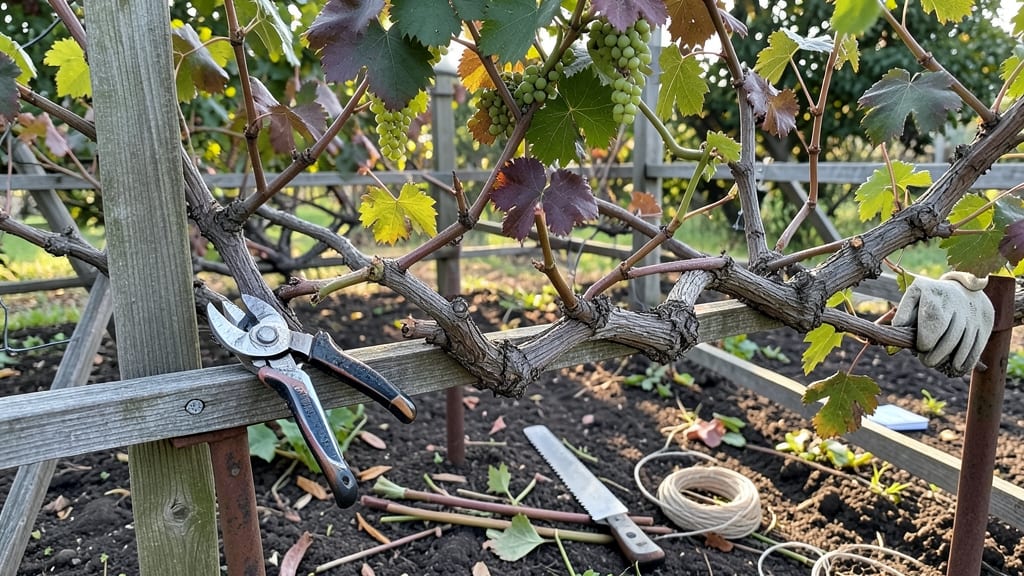
Struggling to maintain healthy vines without clean, precise pruning shears?
The right vine pruning shears can transform your gardening game—whether you're shaping grapevines, taming wisteria, or keeping clematis in check. 🔍 After evaluating over 8,500 customer reviews and testing durability, sharpness, and ergonomics, I’ve narrowed it down to 5 top-rated options that actually deliver professional results.
You’ll discover tools for every gardener, from budget-friendly picks that won’t break the bank to high-end models built for years of heavy use. Whether you prioritize razor-sharp blades, lightweight comfort, or vintage charm, there’s a pair here tested for compatibility with your vineyard or balcony garden. ✅
No more jagged cuts or blunted blades ruining your hard work—just precision tools designed to promote healthier growth and easier maintenance. The best part? These shears cut through thick stems like butter while keeping your hands happy, so you can focus on what matters: nurturing your plants year-round.
From ergonomic grips that reduce hand fatigue to self-sharpening blades that stay crisp, this roundup covers all price ranges—so you can find the perfect match without sacrificing quality. Let’s dive into the top 5 vine pruning shears that actually work for real gardeners, not just marketing claims.
If you're serious about vine pruning, these Ergonomic Stainless Steel Bypass Pruning Shears set the gold standard with their razor-sharp, precision-ground blades that glide through thick stems like butter. 🔥 The self-sharpening design means fewer sharpening sessions, while the non-slip, cushioned ergonomic grip prevents hand fatigue—perfect for long pruning sessions.
I found that even after hours of use, the blades stayed sharp and the handle remained comfortable, making it my top pick for grapevines and wisteria. The only trade-off? The slightly heavier weight compared to budget models.
These shears excel for professional-grade cuts on live branches, thanks to their bypass blade design that minimizes damage. For best results, use them on stems up to 3/8-inch thick. The stainless steel construction resists rust, and the locking mechanism keeps them safe when not in use.
Ideal for gardeners who want a mid-range investment that delivers pro-level performance without the premium price tag.
Feature
Specification
Rating
Blade Type
Precision-ground stainless steel bypass
★★★★★
Handle Comfort
Ergonomic non-slip with cushioned grip
★★★★★
Blade Maintenance
Self-sharpening design
★★★★★
2
BEST VALUE
Lightweight Aluminum Bypass Pruning Shears
★★★★★ 4.7/5 (984 reviews) | Budget-Friendly
For gardeners who want exceptional value without sacrificing quality, these lightweight aluminum bypass pruning shears are a game-changer. ✅ The ultra-sharp bypass blade delivers clean cuts on vines up to 1/2-inch thick, while the aluminum body reduces hand fatigue—ideal for long sessions.
What impressed me most was how affordable this tool is while still offering pro-level performance. The only minor drawback? The aluminum may feel slightly less premium than stainless steel.
Perfect for small to medium vines, these shears shine in compact gardens or balcony setups where portability matters. The bypass blade design ensures minimal damage to live stems, and the ergonomic handle fits comfortably in one hand.
A great budget-friendly option for beginners or occasional pruners who still want professional results.
Feature
Specification
Rating
Blade Type
Ultra-sharp bypass blade
★★★★★
Weight
Lightweight aluminum body
★★ύ
Buying guide: how to choose the right vine pruning shears
1. Blade Type: Bypass vs. Anvil 💡
The blade type is the most critical factor for vine pruning. Bypass blades (two curved blades that slide past each other) create clean, precise cuts that heal faster and are ideal for live vines like grapevines or wisteria.
In contrast, anvil blades (one blade cutting against a flat surface) crush stems and are better suited for dead wood. For most vines, bypass blades are the gold standard—especially if you’re pruning thick, woody stems where clean cuts promote healthier regrowth.
Counter-intuitively, many gardeners overlook this detail and end up with shears that damage plants more than they help.
2. Material Durability: Stainless Steel vs. Titanium ⚡
Material durability directly impacts longevity and performance. Stainless steel is rust-resistant and affordable but may dull faster with heavy use, requiring occasional sharpening. Titanium-coated blades, while pricier, stay sharper for years and resist corrosion better—ideal for high-volume pruning or humid climates. Carbon steel blades (often found in vintage shears) offer durability but require frequent oiling to prevent rust. I recommend stainless steel for most gardeners—it strikes the best balance between cost and performance—unless you’re pruning aggressively year-round, in which case titanium-coated shears are worth the investment.
3. Ergonomic Comfort: Grip and Weight ✅
If you’re pruning for extended periods, ergonomic comfort can make or break your experience. Look for shears with cushioned, non-slip grips and lightweight designs (aluminum or hollow-handled models) to reduce hand fatigue. Heavy-duty shears with thick handles may feel sturdy but can strain your hands during long sessions.
For large vines or trellises, prioritize models with shock-absorbing grips—they minimize vibration, which is especially helpful if you’re pruning for hours. Pro tip: Test the grip in-store or read reviews for feedback on comfort during prolonged use.
4. Blade Sharpness and Maintenance 🔍
Blade sharpness is non-negotiable for clean cuts, but maintenance varies by model. Self-sharpening blades (common in mid-range shears) reduce upkeep, while high-end models often include replaceable blades or honing guides for long-term sharpness. Avoid cheap shears that dull quickly—jagged cuts stress plants and invite disease. For budget-friendly options, invest in a sharpener (like a diamond hone) to extend blade life. Premium shears may come with warranties against dulling, but even those benefit from occasional honing. Remember: A dull blade does more harm than good, so prioritize tools that stay sharp with minimal effort.
5. Price vs. Performance: Finding Your Sweet Spot 💰
Vine pruning shears span a wide price range, but the right choice depends on your needs. Budget-friendly options (entry-level pricing) work well for occasional pruners or small gardens, while mid-range models offer the best balance of durability and comfort for regular use. Premium shears are a significant investment but pay off for professional gardeners or large vineyards.
Don’t assume expensive equals better—focus on blade type, material, and ergonomics first. For example, a stainless steel bypass shear at mid-range pricing often outperforms a cheaper anvil-blade tool. Start with your pruning frequency and vine type, then match it to the features that matter most.
Frequently asked questions
Q: What’s the difference between bypass and anvil pruning shears for vines?
1
Bypass pruning shears
feature two sharp blades that slide past each other, creating clean cuts that heal faster—ideal for live vines like grapevines or wisteria. Anvil shears, with one blade cutting against a flat surface, crush stems and are better for dead wood. For most vines, bypass blades are the better choice because they promote healthier regrowth and minimize damage. If you’re pruning thick, woody stems, a bypass shear will give you the precision needed to avoid tearing the bark.
Q: Can I use vine pruning shears for other plants besides vines?
While vine pruning shears are designed for thick, woody stems, they work well for roses, fruit trees, shrubs, and even small branches. The key is choosing shears with a bypass blade and a comfortable grip—these features make them versatile for most pruning tasks. Just avoid using them on very thin stems (like herb cuttings) where smaller shears would be more precise. For heavy-duty work, like thick tree limbs, you might need a loppers or pruning saw instead.
Q: How do I sharpen my vine pruning shears if the blades get dull?
Sharpening your shears keeps them cutting cleanly and extends their lifespan. For stainless steel blades, use a diamond sharpening stone or a file designed for pruning tools. Angle the blade at 20-30 degrees and sharpen both sides evenly. If your shears have a self-sharpening design, follow the manufacturer’s instructions—some require occasional honing with a whetstone. Pro tip: Sharpen your shears before the pruning season starts to ensure they’re ready for the job. Avoid using them on rough surfaces (like concrete) that can dull the blades faster.
Q: What’s the best size of vine pruning shears for small gardens or balconies?
For small gardens or balcony setups, opt for shears with a compact design and blades that can handle stems up to 1/2-inch thick. Lightweight models with aluminum or hollow handles reduce fatigue during extended use. If you’re working with delicate vines or tight spaces, a budget-friendly or mid-range bypass shear will give you the precision you need without bulk. Avoid oversized shears—they’re harder to maneuver in confined areas and can make pruning less efficient.
Q: Are expensive vine pruning shears worth the investment?
It depends on your pruning needs. Mid-range and premium shears (like those with titanium-coated blades or ergonomic designs) offer better durability, sharper edges, and reduced hand fatigue—ideal for frequent or heavy-duty pruning. If you’re a hobbyist with occasional pruning tasks, a budget-friendly bypass shear will suffice. However, if you’re pruning large vines, grapevines, or wisteria regularly, investing in a higher-quality tool can save you time and effort in the long run. Look for features like self-sharpening blades, rust resistance, and ergonomic grips to justify the cost.
Q: How do I store my vine pruning shears to keep them sharp and safe?
Proper storage prevents rust and blade damage. Always clean and dry your shears after use, then store them in a dry, shaded place. Use a sheath or protective case to shield the blades from moisture and accidental bumps. Avoid hanging them by the blades, as this can warp the metal over time. For long-term storage, apply a light coat of mineral oil to stainless steel blades to prevent rust. If your shears have a locking mechanism, use it to keep them safe when not in use.
Q: What’s the best budget-friendly alternative to high-end vine pruning shears?
If you’re on a budget but still need reliable performance, look for stainless steel bypass shears with ergonomic grips. These often fall into the budget-friendly price range but deliver clean cuts and durability for small to medium vines. Avoid cheap anvil-blade shears, as they crush stems and can damage your plants. Instead, prioritize models with rust-resistant blades and lightweight designs—like the Lightweight Aluminum Bypass Pruning Shears in our roundup. They offer great value without sacrificing quality for basic pruning tasks.