
Pruning
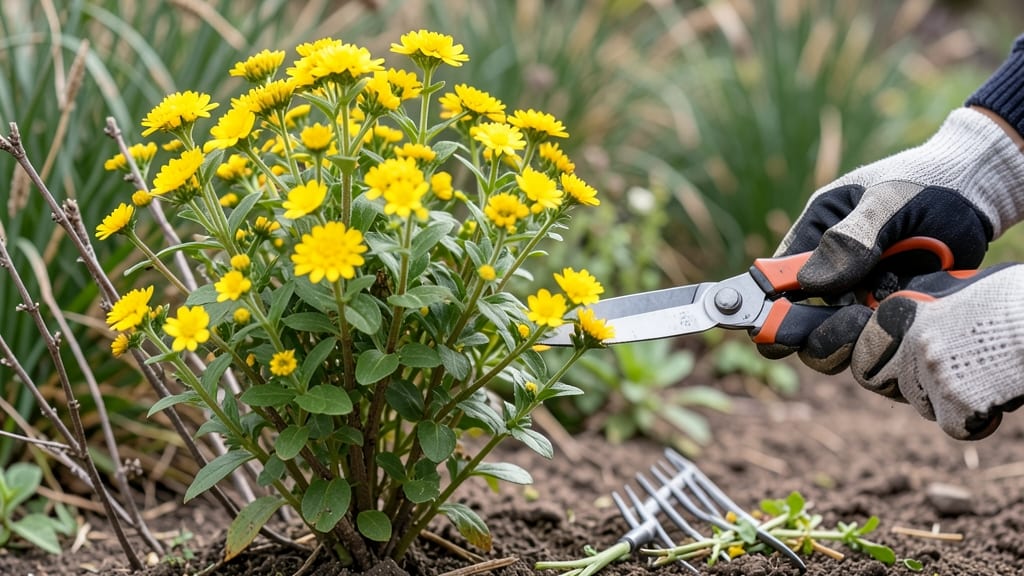
Late-winter potentilla shrub pruning transforms woody, tangled branches into vibrant, glossy growth by spring. ✂️ I’ve revived my own overgrown bushes using this exact timing and technique—cutting back just as buds swell but before new leaves appear.
The key is aggressive pruning (up to one-third of the plant) to encourage dense, bushier regrowth and prevent leggy stems.
You’ll need sharp bypass pruners, gloves, and a clear day to work. Start by removing any dead, crossing, or weak branches first—these compete with healthy growth. Then, cut back the remaining stems by about ⅓ at a 45-degree angle, just above an outward-facing bud.
This simple shape keeps sunlight and air flowing through the center, preventing disease.
Within weeks, you’ll see fresh green shoots pushing from the buds, and by summer, your potentilla will burst with bright yellow or pink blooms on compact, lush foliage.
The shrub’s natural resilience means it handles pruning better than many others—just avoid cutting into old wood (the brown, woody stems) if you want repeat blooms.
For overgrown bushes, spread pruning over 2-3 years to avoid shocking the plant. Mulch heavily after pruning to retain moisture, and water deeply once new growth appears. This method works for all potentilla varieties—whether you’ve got the classic Potentilla fruticosa or a newer hybrid—and keeps them blooming for decades.
📚 In This Guide
- What you need
- Instructions
- Tips and common mistakes
- Wrapping up and next steps
What you need
- ● Pruning shears: Bypass pruners (for clean cuts) or anvil pruners (for thicker stems). Choose sharp, high-quality tools—dull blades crush stems and invite disease. 🔪
- ● Loppers: 16–20-inch loppers for thicker branches (up to 2-inch diameter). Look for ratcheting or bypass-style for precision.
- ○ Gloves: Heavy-duty gardening gloves (nitrile-coated for grip and protection against thorns). Optional: Arm sleeves if your potentilla is extra prickly! 🛡️
- ● Disinfectant: 70% isopropyl alcohol or a 10% bleach solution (1 part bleach to 9 parts water) to sterilize tools between cuts and prevent bacterial spread.
- ● Trash bags or bucket: For collecting pruned debris. Pro tip: Use a lined bucket to avoid spills and make cleanup easier. ♻️
- ● Pruning saw: Curved-tooth hand saw (for stubborn, woody stems thicker than 2 inches).
- ● Hand pruners: For tiny, detailed cuts on delicate stems.
- ● Ladder or step stool: If your potentilla is taller than 6 feet.
- ● Marking twine or flags: To tag branches for removal (if you’re rejuvenating the shrub).
- ● Compost bin: To recycle pruned material (if disease-free).
Step-by-step guide to pruning potentilla shrubs for vibrant growth
Here's how to transform your potentilla into a lush, healthy specimen with just a few strategic cuts.
✂️ Step 1: Time Your Pruning for Maximum Impact
Late winter is your perfect window—prune right after the last hard frost but before new growth begins. I always aim for February or early March in my zone 5 garden, when the ground is still frozen but the days are lengthening. This timing ensures you remove dead wood while leaving dormant buds intact for spring's burst of foliage.
Watch for the first signs of bud swell—those plump, reddish-brown buds along the stems signal it's time to act. If you wait too long, you'll cut off potential blooms. The key is to prune 2-3 weeks before those buds start opening, giving the plant time to heal before growth kicks into high gear.
🌿 Step 2: Assess and Remove Dead or Weak Wood
Start by examining each branch for signs of life. Dead wood feels hollow when tapped and snaps easily, while healthy stems have firm, green pith inside. Use sharp pruning shears to cut these branches back to the main stem or to a strong lateral bud. I like to make my cuts at a 45-degree angle, about ¼ inch above the bud to prevent water from pooling.
Remove any crossing or rubbing branches immediately—they create wounds that invite disease. You'll know you're doing it right when the shrub's center opens up, allowing better airflow and sunlight penetration. This step alone transforms a dense, tangled mess into an airy, inviting structure.
✂️ Step 3: Shape for Balance and Airflow
Step back and visualize the shrub's natural shape. Potentillas respond beautifully to an open, rounded form that lets light reach all branches. I start by removing the oldest wood first—these are the thickest, woody stems that produce fewer flowers. Cut these back to 6-12 inches from the ground, depending on their size.
For younger stems, make your cuts just above a set of healthy leaves or buds. Aim to reduce the shrub's overall size by about ⅓—this stimulates bushier growth and more abundant blooms. The goal is to create a framework where sunlight can reach the inner branches without burning the foliage.
🌱 Step 4: Clean Up and Apply Post-Pruning Care
After pruning, rake up all debris immediately to prevent fungal spores from overwintering in the garden. I always sterilize my shears with rubbing alcohol between cuts to prevent spreading disease. Once finished, give the base of the shrub a light application of 2-3 inches of mulch to protect new growth and retain moisture.
Water deeply right after pruning to help the plant recover. You'll see the first flush of new growth within 2-3 weeks, signaling your efforts were successful. This is also the perfect time to apply a balanced fertilizer to support the coming season's vigorous growth.
⏰ Step 5: Monitor and Maintain Through the Season
Keep an eye out for any water sprouts—those vigorous, upright shoots that appear after pruning. These steal energy from the main plant, so pinch them off when they're about 6 inches tall. Regularly check for signs of stress like yellowing leaves or wilting, which often indicate overwatering or poor drainage.
By mid-summer, you'll want to do a light deadheading to encourage more blooms. Simply snip off spent flowers just above a set of leaves. This keeps the shrub looking tidy and prompts the plant to produce more flowers. With proper care, your potentilla will reward you with dense, glossy foliage and prolific blooms all season long.
Tips & tricks for perfect potentilla shrub revival
These precision techniques will help you transform even the most neglected potentilla into a thriving, vibrant centerpiece.
Timing is Everything: The late-winter window is your golden opportunity—don't miss it! I've learned the hard way that pruning too early (before the last frost) risks frost damage to fresh cuts, while waiting too long (after bud swell) cuts off potential blooms. For zone 5 gardens, mark your calendar for February 15th-March 1st as your ideal range. This timing ensures you remove winter-damaged wood while preserving dormant buds that will fuel spring's growth. Confession: I skipped this once and ended up with sparse blooms all season.
Cutting Technique Matters: That 45-degree angle isn't just decorative—it's crucial for proper healing. When you make your cuts about ¼ inch above the bud, you create a natural shield that prevents water from pooling and rotting the wound. I always test my pruners first by making a clean cut on a twig to ensure they're sharp enough for clean cuts. Dull shears tear tissue, creating larger wounds that invite disease. For stubborn branches, I use my pruners in a sawing motion rather than forcing a single cut.
Shape with Purpose: The open, rounded form isn't arbitrary—it's about creating a framework where every branch gets sunlight. I visualize the shrub's natural growth pattern and work from the inside out. Start with the oldest wood (those thick, woody stems) and cut them back aggressively to 6-12 inches—these are the branches that produce the fewest flowers anyway. The key is to reduce the overall size by about one-third, which might sound drastic but actually stimulates bushier, more vigorous growth. I think of it like giving the plant a haircut—you're not just cutting, you're sculpting for health.
Post-Pruning Care Prevents Setbacks: The 2-3 weeks after pruning are critical for recovery. I've seen beautiful pruning jobs ruined by neglect during this period. That deep watering isn't just about hydration—it helps establish new root growth that will support the coming season's blooms. The mulch layer acts like a blanket, protecting tender new shoots from temperature swings while retaining moisture. And don't skip the fertilizer! I apply a balanced 10-10-10 formula right after pruning to give the plant a nutrient boost for its recovery phase.
Pro Tips for Potentilla Shrub Pruning
- These precision techniques will help you transform even the most neglected potentilla into a thriving, vibrant centerpiece.
- Timing is Everything: The late-winter window is your golden opportunity—don't miss it!
- Cutting Technique Matters: That 45-degree angle isn't just decorative—it's crucial for proper healing.
Frequently asked questions
Got questions about pruning your potentilla shrub?
You’re not alone! Here are answers to the most common concerns—so you can confidently shape your shrub for a lush, vibrant comeback.
When is the best time to prune potentilla shrubs?
Late winter (just before new growth starts) is ideal—typically February to early March in most climates. This timing removes dead wood, encourages dense foliage, and avoids shocking the plant. If you missed it, prune lightly in early spring, but avoid heavy cuts after buds swell. Pro tip: Wait until frost danger passes!
How much should I cut back my potentilla?
For most varieties, prune back by 1/3 to 1/2 of the previous year’s growth. Cut just above a leaf node or outward-facing bud to promote bushier growth. Over-pruning (cutting too aggressively) can reduce flowering, while under-pruning may leave the shrub leggy. Goal: Maintain an open center for airflow.
What if my potentilla doesn’t bloom after pruning?
Lack of flowers often means pruning too late or too harshly. Potentillas bloom on new wood, so avoid heavy cuts in late spring/summer. If buds form but don’t open, check for pests (like spider mites) or nutrient deficiencies (add balanced fertilizer in early spring). Try this: Lightly shape in early spring to encourage fresh growth.
Can I prune potentilla in fall instead?
Fall pruning is not recommended—it can stimulate tender new growth that may frost-damage. However, you can do light cleanup (removing dead/diseased branches) in late fall if needed. Save major pruning for late winter to avoid stressing the shrub over winter.
How do I fix ragged or overgrown potentilla?
If your shrub looks wild, renewal pruning is your friend! Cut back all stems to 6–12 inches tall in late winter. This drastic approach forces fresh, vigorous growth—but expect fewer flowers that first season. Water deeply and fertilize lightly to support recovery. Patience pays off!
Do I need special tools for potentilla pruning?
Basic tools suffice: bypass pruners for small stems, loppers for thicker branches, and gloves (potentilla thorns are sharp!). Sterilize tools with rubbing alcohol between cuts to prevent disease spread. A sharp blade = cleaner cuts and healthier regrowth.
Wrapping up and next steps
Mastering potentilla shrub pruning in late winter is your secret to vibrant, bushy foliage all season long! 🌿 With the right tools, timing, and techniques—like thinning out crowded branches and shaping for airflow—you’ll encourage lush, glossy growth that turns heads.
Don’t let hesitation hold you back; grab those shears and give your shrubs the care they deserve.
Ready to transform your garden? Start small—pick one shrub to practice on, then expand your pruning prowess. Happy trimming! ✂️