
Pruning
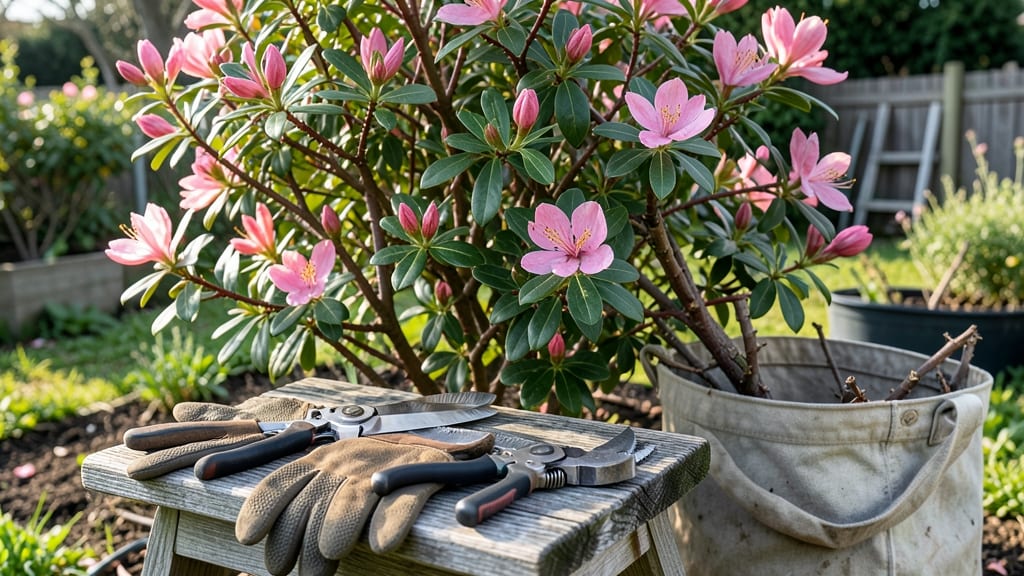
Pruning flowering quince in late winter isn’t just about shaping—it’s about unlocking next year’s most fragrant blooms before buds even swell. 🌸 I’ve watched my quince go from a tangled mess to a showstopper with just a few strategic cuts, and the difference in flower abundance is night and day.
The key? Timing it right when the plant’s dormant but the weather’s still crisp—usually late February through early March in most regions.
You’ll need sharp bypass pruners, rubbing alcohol to sterilize cuts, and a clear day to see the branches. The goal is to remove dead, crossing, or weak growth while encouraging outward-facing branches that’ll hold next season’s blossoms.
I start by cutting back any dead wood first—those branches won’t come back, so get them out of the way. Then, look for branches growing toward the center of the plant; these compete for sunlight and air flow, so they’ve got to go.
Here’s where it gets fun: make your cuts just above a bud or outward-facing branch, at a 45-degree angle about ⅛ inch above the bud. This prevents water from pooling and rotting the cut.
Afterward, give your quince a light spray with a fungicide to prevent disease—especially if you’ve made larger cuts. The result? A bush that’s easier to care for, with more blooms and better air circulation to keep pests away.
Pro tip: If your quince hasn’t bloomed much, it might be overcrowded. Thin out older branches to make room for new growth—older wood produces fewer flowers.
And don’t worry if it looks sparse right after pruning; by spring, you’ll see fresh green shoots pushing out everywhere, ready to burst into color. The fragrance alone makes the effort worth it.
📚 In This Guide
- What you need
- Instructions
- Tips and common mistakes
- Wrapping up and next steps
What you need
- ● Pruning shears: Bypass pruners with sharp, clean blades (1 pair, 6–8" blade length). ⚠️ Dull tools crush stems—avoid this!
- ● Loppers: For thicker branches (½"–2" diameter), ratcheting or bypass type (1 pair, 18–24" handle).
- ● Pruning saw: Curved-tooth saw for branches >2" thick (1, 20–24" blade).
- ○ Disposable gloves: Heavy-duty, cut-resistant (1 pair). 💡 Optional: Gardening gloves with grip for comfort.
- ● Rubbing alcohol (70%+) or bleach solution: 1:10 bleach-water mix (1 bottle or spray bottle). Sterilizes tools between cuts!
- ○ Sharpie or pruning sealant: For marking cuts (1 marker) or sealing larger wounds (optional, 1 small tube).
- ● Bucket or bag: For collecting pruned branches (1, 5+ gallon capacity).
- ● Weather check: Prune on a dry, calm day (40–60°F ideal). Avoid rain or wind.
- ○ Safety gear: Optional: Safety glasses (1 pair) and long sleeves if your quince is thorny!
- ● Plant health assessment: Inspect for dead, diseased, or crossing branches before cutting.
- ● Extension ladder: If needed: Sturdy, 6–10 ft ladder for tall quince (1, with non-slip feet).
Step-by-step guide to pruning flowering quince
Here's how to give your quince a fresh start for blooms that’ll perfume your garden all spring.
✂️ Step 1: Time Your Pruning for Late Winter
Wait until late winter, just as buds begin to swell but before any green shows—typically February to early March in most climates. This timing ensures you remove dead wood while leaving next year’s flowers intact. I always check the buds first: if they’re still tight and brown, it’s too early; if they’ve started plumping up, it’s prime time.
Flowering quince blooms on old wood, meaning last year’s growth produces this year’s flowers. Cutting back too early risks pruning off next season’s blossoms. If you’re unsure, err on the side of waiting—you can always prune later, but you can’t un-prune too-early cuts.
✂️ Step 2: Remove Dead, Diseased, or Crossing Branches
Start by scanning the entire plant for dead wood—branches that snap easily, have no bark, or look hollow inside. Use clean, sharp pruners to cut these out at the branch collar, the swollen area where the branch meets the trunk. Next, look for crossing branches rubbing against each other; these create wounds that invite disease.
For diseased branches, cut 6 inches below any visible signs of rot or spots. Sterilize your pruners between cuts with rubbing alcohol to prevent spreading pathogens. I like to make a mental note of where each cut goes—this helps me visualize how the plant will look after thinning.
✂️ Step 3: Thin Out Overcrowded Growth
Flowering quince thrives when air circulates freely. Look for areas where branches grow too close together and select 1-2 strongest stems to keep, cutting the others back to the collar. Aim to leave an open center—this prevents rot and encourages bigger, showier blooms.
You’ll know you’ve thinned enough when you can see light reaching the center of the plant. If you’re unsure, step back and take a photo first. This lets you compare "before" and "after" without second-guessing. Never remove more than one-third of the plant’s total growth in a single season.
✂️ Step 4: Shape the Plant for Balance
Now’s the time to refine the plant’s shape. Flowering quince naturally grows in a rounded, multi-stemmed form, so avoid turning it into a single-trunk tree. Focus on opening up the center while maintaining a natural, airy silhouette. Cut back any overly long branches by one-third to encourage bushier growth.
Make cuts just above an outward-facing bud or branch to encourage outward growth. If you’re unsure which bud to target, imagine the branch growing in the direction you want—cut above that bud. Avoid leaving stubs; always cut cleanly at a 45-degree angle just outside the branch collar.
💧 Step 5: Clean Up and Apply Post-Pruning Care
After pruning, rake up all debris and dispose of it in the trash—never compost diseased wood. Give the plant a light watering to help it recover, especially if winter was particularly dry. Avoid heavy fertilizing right after pruning; wait until new growth appears in spring.
Finally, inspect the cuts one last time. If any look jagged or uneven, trim them again with your pruners. A smooth cut heals faster and looks more professional. Step back and admire your work—your quince is now set up for a spectacular spring display!
Tips & tricks for perfect late-winter quince pruning
These simple strategies will help you prune your flowering quince like a pro—without the guesswork.
Timing Secret: The February-to-early-March window is non-negotiable for flowering quince. I learned this the hard way after pruning too early and losing next year's blossoms. Look for buds that are swollen but haven't burst yet—this means the plant has stored enough energy to produce flowers. If you're in a warmer climate, wait until after the last frost date to be safe.
Tool Technique: Sharp pruners are your best friend, but cleanliness is just as important. After each cut, especially when dealing with diseased branches, wipe your pruners with rubbing alcohol. I keep a small bottle in my tool belt for quick sterilization between cuts. This prevents spreading pathogens that could infect your healthy branches. For stubborn cuts, a small handsaw works wonders—just be careful not to damage the main trunk.
Visual Pruning Guide: When thinning in Step 3, imagine you're looking at the plant through a window—you want light to pass through the center. I find it helpful to step back every few minutes and squint one eye to check for gaps. For the one-third rule, think of your plant as a pie: you're removing one slice, not the whole thing. This balance ensures your quince has enough energy to produce those spectacular spring blooms.
Post-Prune Care: That light watering after pruning isn't just symbolic—it helps the plant recover from the stress of cutting. I always give mine a good drink, especially if winter was particularly dry. Avoid heavy fertilizing immediately after pruning; the plant needs time to heal before putting energy into new growth. Wait until you see fresh green buds emerging in spring before adding any nutrients.
Pro Tips for Prune Flowering Quince
- These simple strategies will help you prune your flowering quince like a pro—without the guesswork.
- Timing Secret: The February-to-early-March window is non-negotiable for flowering quince.
- Tool Technique: Sharp pruners are your best friend, but cleanliness is just as important.
Frequently asked questions
Got questions about pruning your flowering quince?
You’re not alone! Here are answers to the most common concerns—so you can confidently shape your shrub for a showstopping spring display.
When is the best time to prune flowering quince?
Prune flowering quince late winter to early spring, just before new growth begins (typically February–March in most climates). This timing ensures you don’t cut off next year’s fragrant blooms. Avoid pruning in fall—it can stimulate tender growth that won’t survive winter.
How much can I cut back my flowering quince?
You can safely remove up to one-third of the plant’s oldest stems to rejuvenate it. Focus on thinning out crowded branches and cutting back any dead, diseased, or crossing wood. Avoid heavy pruning—flowering quince blooms on old wood, so drastic cuts may reduce spring flowers.
Why isn’t my flowering quince blooming after pruning?
If your quince skips blooms, it might be due to over-pruning (cutting too many old stems) or poor timing (pruning after buds form). Ensure you’re pruning in late winter and leaving at least half the mature branches. Also, check for pests or nutrient deficiencies—healthy soil and sunlight are key!
Can I prune flowering quince in summer?
Summer pruning is possible, but it’s not ideal—it can stress the plant and reduce next year’s flowers. If you must prune, do it right after blooming to remove spent flowers or shape lightly. For best results, stick to late winter cuts.
What if my flowering quince looks leggy or overgrown?
Leggy or overgrown quince needs rejuvenation pruning: cut back all stems to 6–12 inches from the ground in late winter. This drastic approach encourages new, bushier growth—but expect fewer flowers the first year. Water and fertilize well afterward to support recovery.
Wrapping up and next steps
Pruning your flowering quince in late winter isn’t just a chore—it’s the secret to unlocking a burst of vibrant blooms and lush growth come spring! 🌸 By following the right techniques, you’ll encourage healthier plants, better fragrance, and stunning displays.
Now that you’re armed with the knowledge, grab those pruners and give your quince the care it deserves—your garden (and future visitors) will thank you!
Ready to take the next step? Mark your calendar for late winter or early spring, gather your tools, and get pruning! For extra inspiration, snap a photo of your quince’s transformation and share it—because gardening is always better when you’re part of a community. 🌿