
Pruning
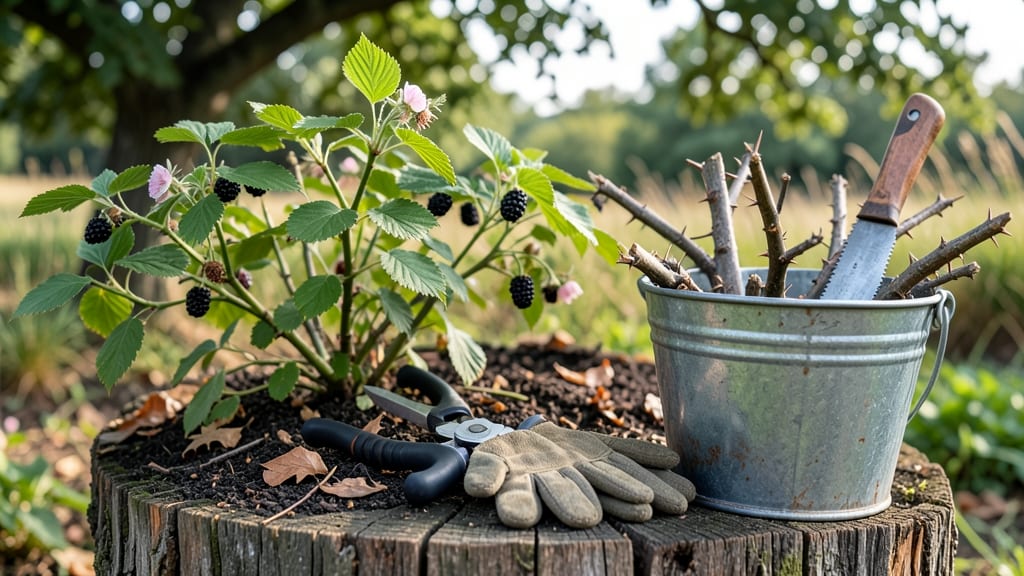
Pruning black raspberry plants in late winter unlocks their full potential—thicker canes, more berries, and fewer tangled messes. 🌱 I used to dread this task until I learned the simple rules that turn a chaotic thicket into a productive, manageable shrub.
The key is timing: dormant-season cuts shape the plant, while summer pruning keeps it productive.
You’ll need sharp pruners, gloves, and a clear day to assess the canes. Start by removing last year’s fruiting canes at ground level—they won’t produce again. Thin out crowded stems to improve airflow, and cut back any dead, diseased, or crossing branches.
This isn’t just cleanup; it’s how you train the plant to focus energy on new growth and fruit.
By summer’s end, you’ll see the difference: fewer tangled canes, easier harvesting, and plants that bounce back stronger after winter. The berries stay larger, the plant stays healthier, and you spend less time wrestling with overgrowth. This method works for both home gardens and small farms—just adjust the scale.
Fair warning: the first year might feel drastic, but trust the process. Black raspberries thrive when pruned this way, and within two seasons, you’ll wonder how you ever struggled with them before. Here’s how to do it right the first time.
📚 In This Guide
- What you need
- Instructions
- Tips and common mistakes
- Wrapping up and next steps
What you need
- ● Pruning shears: Bypass shears (10–12" blades) for clean cuts—sterilize with rubbing alcohol between plants to prevent disease.
- ● Loppers: 1 pair (for thicker canes, 18–24" reach).
- ● Gloves: Heavy-duty gardening gloves (cut-resistant for thorns).
- ● Disposable pruning bags: 1–2 (to collect debris and reduce spread of pests).
- ● Rake: Medium-sized (for clearing fallen leaves/canes).
- ○ Hose or water sprayer: (Optional but helpful for rinsing tools and plants post-prune.)
- ● Timing: Prune in late winter/early spring (before buds swell) or summer (after harvest). Avoid pruning in frost or extreme heat.
- ● Weather: Overcast or early morning (to reduce plant stress).
- ● Safety gear: Long sleeves/pants (thorns!) and closed-toe shoes.
- ● Sanitizer: 10% bleach solution (1 part bleach to 9 parts water) or hydrogen peroxide (to sterilize tools).
- ○ Compost bin: (Optional) For repurposing pruned canes as mulch.
- ○ Notebook/pencil: (Optional) To sketch your plant’s structure before/after pruning.
Step-by-Step guide to pruning black raspberry plants
Here's how I keep my black raspberry bushes thriving year after year—bushier, more productive, and easier to manage.
✂️ Step 1: Prune Old Canes in Late Winter or Early Spring
Black raspberries produce fruit on second-year canes, so the first step is removing last year's fruit-bearing canes. Wait until late winter or early spring (just before buds swell) when the plants are still dormant. Grab your pruning shears and cut the old canes down to the ground—these are the thick, woody canes that produced berries last season.
I like to bundle these old canes and dispose of them in the trash (don’t compost them—they can harbor diseases). The goal here is to make room for this year’s new growth. You’ll see thin, green canes emerging from the base—these are your future fruit producers. Don’t remove these yet; they’ll need a full growing season to mature.
✂️ Step 2: Thin Out Crowded Canes in Early Summer
Once the new canes start growing in early summer, it’s time to thin them out. Aim to leave 6 to 8 of the strongest, healthiest canes per plant. These should be straight, vigorous canes with no signs of disease or damage. Remove the weaker ones at the base with your pruning shears—this prevents overcrowding and ensures the remaining canes get enough sunlight and nutrients.
Here’s the thing—if you leave too many canes, they’ll compete for resources, leading to smaller berries and weaker growth. Watch for canes that are leaning, spindly, or showing signs of stress—these are the first to go. After thinning, give the plant a good drink of water to help it recover.
✂️ Step 3: Prune for Airflow and Shape in Late Summer
After the berries have been harvested (usually late summer), focus on improving airflow and shaping the plant. Start by removing any dead, diseased, or crossing canes—these can trap moisture and invite pests or fungal issues. Use your pruning shears to make clean cuts just above a bud or lateral branch to encourage new growth.
Next, trim back any overly long canes to maintain an open, vase-like shape. This makes it easier to harvest berries and reduces the risk of mildew. I also like to pinch off any suckers growing from the base—they’ll drain energy from the main plant. After pruning, give the area a light mulch (if you have it) to retain moisture and suppress weeds.
✂️ Step 4: Light Cleanup in Fall and Winter
In fall and winter, your main job is cleanup. Remove any leftover debris from around the plant—this reduces hiding spots for pests and diseases over the winter. You can also trim back any weak or damaged canes that didn’t get addressed earlier, but avoid heavy pruning now. The plant is entering dormancy, and too much stress can harm its ability to recover in spring.
This is also a great time to sterilize your pruning tools with rubbing alcohol or a bleach solution (1 part bleach to 10 parts water) to prevent spreading disease. I store my shears in a dry place until next season. By keeping the area tidy, you’ll give your black raspberries the best chance to bounce back strong in spring.
⏰ Step 5: Monitor and Adjust Throughout the Year
Pruning isn’t a one-time job—it’s an ongoing process. Throughout the growing season, keep an eye out for suckers, diseased canes, or overly crowded growth. A quick trim here and there keeps the plant in check. I check my bushes every 4-6 weeks during the growing season to catch any issues early.
Real talk: If you miss a pruning window, don’t panic. Black raspberries are forgiving, but consistent pruning leads to bigger berries, fewer pests, and easier harvesting. Over time, you’ll develop a rhythm—spring for old canes, summer for thinning, fall for cleanup. Your bushes will thank you with juicier, sweeter berries every season.
Tips & tricks for pruning black raspberry plants
Here's what nobody tells you about keeping your black raspberry bushes thriving—these are the little details that make all the difference between a decent harvest and a bountiful one.
Timing is Everything: That late winter/early spring window for Step 1 is critical—wait until buds are just starting to swell, but don't let them open. I've learned the hard way that pruning too early leaves the plant vulnerable to cold snaps, while waiting too long means you're cutting off potential fruit. Check your local frost dates and aim for 2-3 weeks before your last expected frost. For those in warmer climates, you might need to adjust to early spring instead.
Equipment Matters More Than You Think: Don't just grab any pruning shears—look for ones with sharp, bypass blades that make clean cuts without crushing the canes. I use felco pruners because they stay sharp longer and give me better control. For larger branches, a pruning saw is worth the investment. Always sterilize your tools between cuts (especially in Step 3) with rubbing alcohol to prevent spreading disease from one cane to another.
Visual Cues for Better Pruning: In Step 2, when thinning canes, look for these visual clues: healthy canes have smooth, green bark with no cracks or discoloration. The ones to remove often have yellowing leaves, powdery mildew spots, or cankers. For Step 3's shaping, imagine an open vase shape—you want sunlight to penetrate all the way to the center of the plant. If you're unsure which canes to keep, remember: thicker isn't always better. Some of the most productive canes are medium-sized with lots of lateral branches.
Seasonal Maintenance Strategy: Create a simple pruning calendar: Mark late winter/early spring for Step 1, early summer for Step 2 (when new growth is about 12 inches tall), and late summer for Step 3. For Step 4's fall cleanup, set a reminder for October or November before the first hard frost. I keep a small notebook by my gardening tools to jot down which canes I removed each season—this helps me track patterns in my bushes' growth over time.
Pro Tips for Pruning Black Raspberry Plants
- Here's what nobody tells you about keeping your black raspberry bushes thriving—these are the little details that make all the difference between a decent harvest and a bountiful one.
- Timing is Everything: That late winter/early spring window for Step 1 is critical—wait until buds are just starting to swell, but don't let them open.
- Equipment Matters More Than You Think: Don't just grab any pruning shears—look for ones with sharp, bypass blades that make clean cuts without crushing the canes.
Frequently asked questions
Got questions about pruning your black raspberry plants? You’re not alone! Here are some of the most common concerns—and straightforward answers—to help you keep your bushes thriving.
When is the best time to prune black raspberries?
Prune black raspberries in late winter or early spring (before buds swell) or right after harvest in summer. Avoid pruning in fall, as new growth may not harden off before cold weather. Pro tip: If you’re dealing with pests or disease, prune immediately after harvest to reduce spread.
How much should I cut back my black raspberry bushes?
Remove 20-30% of the oldest canes each year to encourage new growth. Cut canes back to the ground if they’re dead, diseased, or unproductive. For established bushes, aim to keep 5-7 of the healthiest canes per plant. Pro tip: Thinner canes = bigger berries!
What if I prune at the wrong time?
Pruning too late in spring (after buds break) or in fall can stunt growth or leave plants vulnerable to cold damage. If you accidentally prune at the wrong time, don’t stress—just focus on removing dead/diseased canes and give your plant extra care (water, mulch) to recover.
Can I prune black raspberries in summer?
Yes! Light pruning after harvest (removing spent canes) is great for airflow and disease prevention. However, avoid heavy pruning in summer—it can stress the plant and reduce next year’s fruit. Pro tip: If you must prune heavily, do it right after harvest for best results.
What if my black raspberries aren’t fruiting after pruning?
Lack of fruit could mean over-pruning (too many canes removed) or poor soil/nutrients. Check for 3-5 healthy canes per plant and amend soil with compost. If issues persist, test soil pH (ideal: 5.5–6.5) and fertilize lightly in spring.
Wrapping up and next steps
Pruning your black raspberry plants isn’t just about keeping them tidy—it’s the secret to bushier growth, sweeter fruit, and healthier vines! 🌿 By mastering the art of seasonal trimming, you’ll encourage stronger canes, better airflow, and a bountiful harvest year after year.
Whether you’re a beginner or a seasoned gardener, these tricks make the process simple and rewarding.
Now that you’re armed with the when, how, and why of pruning, it’s time to roll up your sleeves and give your black raspberries the care they deserve. Grab your pruners, head to the garden, and watch your plants thrive—one strategic cut at a time! 🌱✨