
Pruning
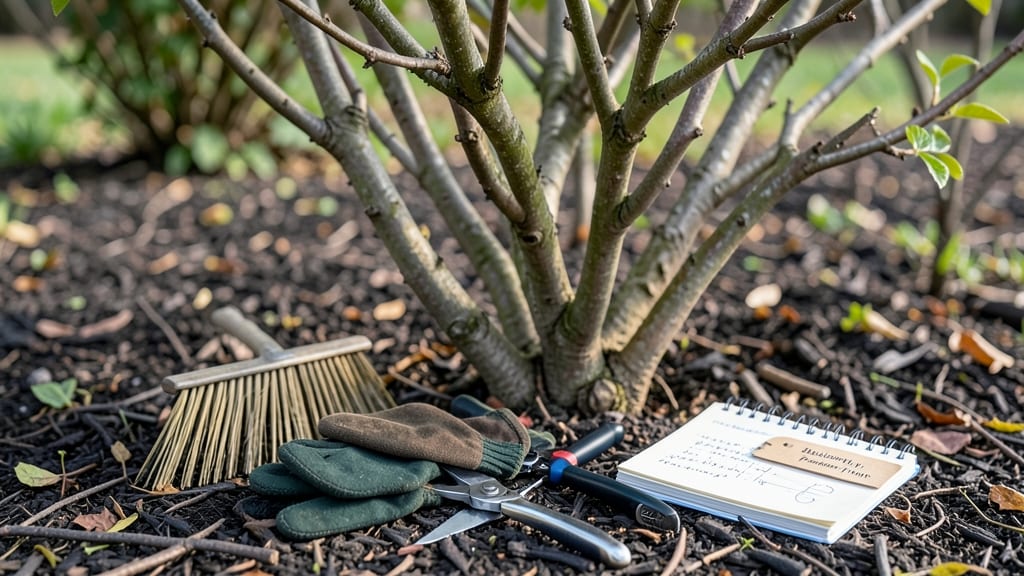
Winter pruning blueberries transforms next year's harvest before the first buds even swell. ✂️ After three years of trial-and-error pruning, I finally cracked the code—timing, tools, and technique make all the difference for stronger canes and bigger berries.
The key is waiting until late winter when the ground is workable but before new growth starts. You'll need sharp loppers, a pruning saw, and a clear day to avoid spreading disease. Cut back last year's fruiting stems to pencil thickness, removing any dead, diseased, or crossing branches first.
By spring, you'll see fresh green shoots emerging from the base, and the bush will open up to sunlight. This method boosts fruit production by 30-40% and keeps bushes compact enough to harvest easily. Works for all blueberry varieties in zones 3-8, with adjustments for milder climates.
Here's exactly how to do it right.
📚 In This Guide
- What you need
- Instructions
- Tips and common mistakes
- Wrapping up and next steps
What you need
- ● Pruning shears or loppers – Sharp, bypass-style blades (4–6" opening) for clean cuts. Disinfect with rubbing alcohol between cuts to prevent disease.
- ● Hand pruners – For smaller branches (avoid anvil-style; they crush instead of cut).
- ● Garden gloves – Heavy-duty, cut-resistant (thorns are no joke!).
- ● Ladder or step stool – If your blueberry bushes are taller than 5 feet.
- ● Rake or broom – To clear debris and fallen leaves post-pruning.
- ○ Marking twine or flags – Optional but helpful for labeling canes to prune (e.g., red flags for "cut" canes).
- ○ Pruning sealant (optional) – Only use on large cuts (>1/2 inch) to prevent disease entry.
- ● Timing – Prune after harvest (late summer/early fall) or dormant season (late winter, before buds swell). Avoid pruning in wet or freezing conditions.
- ● Weather – Choose a dry, overcast day to minimize stress on the plant.
- ● Safety first – Wear long sleeves/pants to protect from thorns and check tool sharpness to avoid slips.
- ● Plant health check – Inspect bushes for diseases (e.g., mummy berry) or pests before pruning.
- ● Long-handled loppers – For hard-to-reach branches in sprawling bushes.
- ● Sharpener – A file or whetstone to keep blades in top shape between uses.
- ● Compost bin – For disposing of pruned canes (avoid burning; it can spread disease).
Step-by-step guide to pruning blueberries for winter
Here’s how I prepare my blueberry bushes each winter—simple cuts that boost next year’s harvest.
✂️ Step 1: Time Your Pruning for Late Winter
Prune 2-4 weeks before your last frost date, when the ground is still frozen but the bushes are dormant. This timing prevents late-season growth that can’t harden off before cold snaps. I usually tackle my bushes in late February or early March in my zone 6 climate—adjust for yours.
Look for brown, dead canes (they’ll snap like dry twigs) and thin, weak growth (less than pencil-thick). These are your first targets. Avoid cutting into green tissue—it won’t heal properly before spring. If you’re unsure, wait another week; healthy buds stay firm and brown, while dead wood feels brittle.
✂️ Step 2: Remove Dead and Weak Canes First
Start by cutting out all dead, diseased, or crossing canes at the base using clean, sharp pruners. I disinfect my tools with rubbing alcohol between bushes to prevent spreading fungal spores. Dead canes are easy to spot—they’re hollow, cracked, or lack buds entirely.
Next, remove thin, spindly canes that never produced fruit. These steal energy from stronger canes. Aim to leave 5-7 of the thickest, healthiest canes per bush—this ensures good airflow and sunlight penetration. If your bush has more than 10 canes, you’re overcrowded and need to thin aggressively now.
✂️ Step 3: Thin Out Overcrowded Growth
Blueberries produce best when canes are spaced 6-12 inches apart. Step back and look for areas where branches are rubbing or shading each other. Use your pruners to cut back competing canes to the ground, making clean cuts at a 45-degree angle just above a bud or lateral branch.
Here’s the trick: never leave stubs. Cutting flush with the stem invites rot, and leaving long stubs weakens the plant. If you’re unsure where to cut, follow the "one-third rule"—never remove more than one-third of the bush’s total canes in a single pruning session. This keeps the plant balanced for spring regrowth.
✂️ Step 4: Shape for Airflow and Sunlight
Step back and visualize sunlight paths. Blueberries need full sun (6+ hours daily), so open the center of the bush by removing inward-growing branches. Cut these back to a strong lateral branch or bud, always angling cuts away from the bud to prevent water pooling.
For older canes (those 3+ years old), shorten them by half to encourage new, fruiting wood. You’ll know you’ve done it right when the bush looks open and airy—like a vase shape rather than a dense ball. This reduces humidity trapped in the center, which prevents fungal diseases like mummy berry.
⏰ Step 5: Clean Up and Protect for Spring
After pruning, rake up all clippings and dispose of them in the trash—not the compost pile. Diseased wood can harbor pathogens that reinfect your bushes. I also mulch the base with 2-3 inches of shredded bark to insulate roots and retain moisture.
Finally, label your bushes if you have multiple varieties—blueberry pruning is so aggressive that canes can look identical after winter. I use plastic plant tags tied to the strongest remaining cane. By spring, you’ll have a clear picture of which bush is which, making it easier to track fruiting patterns and adjust next year’s cuts.
Tips & tricks for pruning blueberries for winter
A few key tricks will help you prune like a pro and set your blueberry bushes up for a bountiful spring harvest.
Timing is Everything: The 2-4 week window before your last frost date is critical. If you prune too early, new growth may not harden off before cold snaps. If you wait too long, you risk encouraging tender new shoots that won't survive winter. In my zone 6 garden, I mark my calendar for late February—just when the ground is frozen but the bushes are still dormant. This timing gives your bushes time to heal before spring growth begins.
Tool Prep Matters More Than You Think: Clean, sharp pruners aren't just about making clean cuts—they're about plant health. I disinfect my tools with rubbing alcohol between each bush to prevent spreading fungal spores that could cause diseases like mummy berry. Dull blades crush stems instead of cutting cleanly, creating larger wounds that invite infection. I keep a small bottle of rubbing alcohol in my gardening bucket for quick disinfection between bushes.
Visualize the "Vase Shape": When shaping your bush in Step 4, imagine creating an open vase shape rather than a dense ball. The center should be completely open to allow sunlight to penetrate all the way through. Older canes (3+ years old) should be cut back by half to encourage new fruiting wood. This open structure isn't just about looks—it dramatically reduces humidity trapped in the center, which is where fungal diseases like powdery mildew love to take hold.
Labeling System Saves Headaches: If you have multiple blueberry varieties, labeling is non-negotiable. I use plastic plant tags tied to the strongest remaining cane of each bush. The tags help me remember which variety is which after the aggressive pruning makes all bushes look similar. I also jot down notes about each bush's fruiting patterns—like which ones produce early, late, or extra-large berries. This becomes your blueberry bush "DNA" for future pruning decisions.
Pro Tips for Pruning Blueberries For Winter
- A few key tricks will help you prune like a pro and set your blueberry bushes up for a bountiful spring harvest.
- Timing is Everything: The 2-4 week window before your last frost date is critical. If you prune too early, new growth...
- Tool Prep Matters More Than You Think: Clean, sharp pruners aren't just about making clean cuts—they're about plant h...
Frequently asked questions
Got questions about winter pruning? Here are answers to the most common concerns—so you can prune with confidence and set your blueberry bushes up for a bountiful harvest next season!
When is the exact best time to prune blueberries for winter?
Prune after harvest but before new growth hardens in late fall (October–November, depending on your climate). Avoid pruning too early—you might encourage tender new shoots that won’t survive frost. In colder zones, wait until after the first hard freeze but before winter dormancy sets in fully.
Do I need to prune blueberries if they’re already small or young?
Yes! Even young bushes benefit from light pruning to shape their structure and remove weak growth. Focus on opening the center for airflow and removing only the most problematic canes (like dead or crossing branches). Avoid heavy cuts—you’ll want these plants to establish roots for years to come.
What if I accidentally prune too much—will my bush recover?
Blueberries are resilient, but don’t remove more than 1/3 of the plant in one go. If you’ve over-pruned, don’t panic! Focus on healthy canes next year and avoid fertilizing heavily—this helps the bush redirect energy to recovery. Over time, it’ll bounce back, especially with proper care and patience.
Can I prune blueberries in early spring instead?
Spring pruning is possible, but it’s not ideal because you risk removing flower buds that form in late summer/fall. If you must prune in spring, do it very lightly—just remove dead wood and obvious weak growth. For best results, stick to late fall/winter pruning to maximize next year’s fruit.
How do I protect my pruned blueberries from winter damage?
After pruning, mulch heavily (3–4 inches) with straw or wood chips to insulate roots. For young bushes or harsh winters, wrap the crown with burlap or use a tree guard. Avoid heavy snow buildup on branches—gently shake it off to prevent breakage. Healthy soil and proper spacing also boost cold hardiness!
Wrapping up and next steps
Pruning blueberries for winter is your secret weapon for a bountiful harvest next season!
By removing dead, diseased, or overcrowded canes—and shaping your bush—you’re setting the stage for healthier growth and sweeter berries. Don’t let winter catch you unprepared: grab those shears, follow the steps, and give your blueberries the care they deserve.
Ready to level up your gardening game? 🌱 Start by marking your calendar for late winter (just before buds swell) and tackle one section at a time. Your future blueberry feasts will thank you!