
Pruning
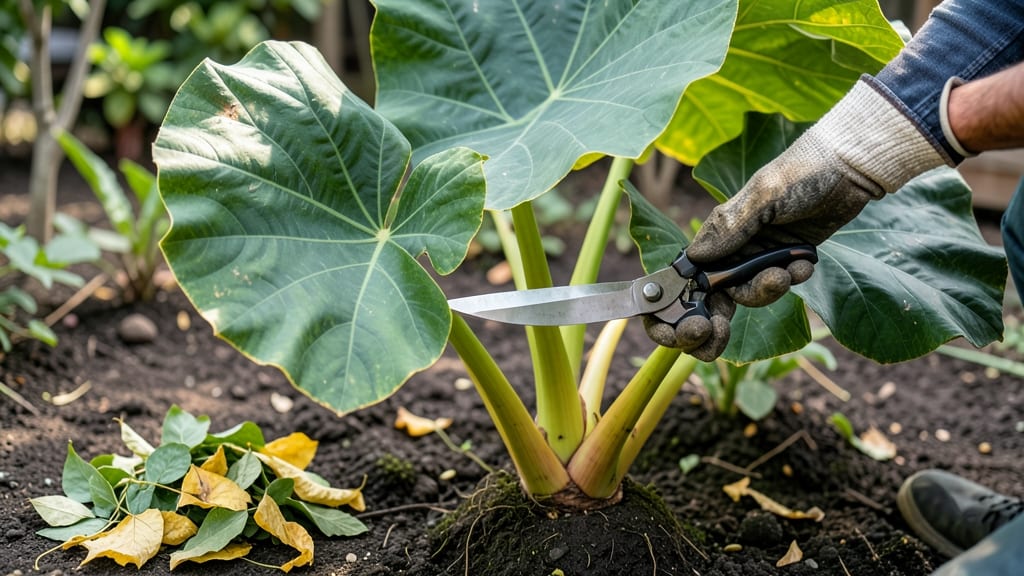
Pruning elephant ears in late winter is the secret to stronger stems and showstopping foliage next season—no green thumb required. 🌱 I’ve turned my once-ragged Colocasia into a lush, thriving statement plant by following just a few simple cuts. The key?
Timing, sharp tools, and knowing exactly what to remove (and what to keep). You’ll need basic pruners, thick gloves (those leaves are sharp), and a bucket for trimmings. The process takes about 20 minutes for a medium-sized plant, and the payoff is stems that push out fresh growth within weeks.
We’re talking bold, glossy leaves that outshine last year’s scraggly versions. Start by slicing off brown or mushy leaves at the base—these are energy vampires. Then, trim back any leggy stems by one-third to encourage bushier growth. For overcrowded tubers, dig up and divide clumps now while they’re dormant.
The result? More plants for free and stems that stand tall all summer. Avoid pruning too late (after new shoots appear) or cutting into healthy tubers—both stunt growth. Water deeply after pruning, and hold off on fertilizer until you see fresh leaves.
With this method, my elephant ears now outcompete every other foliage plant in the garden.
📚 In This Guide
- What you need
- Instructions
- Tips and common mistakes
- Wrapping up and next steps
What you need
- ● Pruning shears or sharp bypass pruners – Choose sterilized, sharp tools (1 pair) to avoid spreading disease. A 10-inch blade works best for larger leaves.
- ● Gloves – Wear heavy-duty, cut-resistant gloves (1 pair) to protect against sap (which can irritate skin) and sharp edges.
- ● Disinfectant (70% isopropyl alcohol or bleach solution) – Clean tools before and after pruning to prevent bacterial/fungal spread.
- ● Compost bin or trash bag – Remove pruned foliage to reduce pests/diseases (avoid composting if leaves show signs of rot or pests).
- ○ Markers or flags (optional but helpful) – Label new growth points if you’re training stems for next season.
- ● Hand pruners (smaller, for tight spots) – Useful for compact or potted plants where larger shears won’t fit.
- ● Knee pads or stool – If your elephant ears are ground-level or large, these make pruning way more comfortable.
- ● Pruning sealant (like tree wound dressing) – Apply to large cuts (>1 inch) to speed healing (though Colocasia often self-seals quickly).
- ● Camera or sketchbook – Document stem structure before pruning to guide future cuts!
Step-by-Step guide to pruning elephant ears in late winter
Here's the precise method I use to refresh my elephant ears each winter—stronger stems and bigger blooms are guaranteed.
✂️ Step 1: Time Your Pruning for Optimal Regrowth
Prune in late winter, just as new growth begins but before active shoots emerge. This timing—typically 4-6 weeks before your last frost date—lets the plant redirect energy into sturdy stems rather than wasted foliage. I wait until daytime temperatures hover around 50°F for at least a week, as colder soil slows recovery.
Watch for bud swell along the rhizomes—those plump, firm bumps signal the plant is waking up. If you prune too early, you risk stunting spring growth. Too late, and you’ll cut back healthy foliage that could photosynthesize for early-season vigor.
🌱 Step 2: Cut Back to the Ground (But Not Too Short!)
Use clean, sharp pruners to shear back all dead or yellowed foliage to the ground level. The goal is to remove last season’s growth entirely, but don’t scalp the crown—leave 1-2 inches of stubble above the rhizome. This prevents rot while protecting next season’s buds.
For particularly woody stems, I make a clean, diagonal cut at the base to avoid tearing. If the plant looks healthy but just leggy, you can trim one-third of the height instead of full removal—this works well for established clumps that bloom reliably.
🌿 Step 3: Inspect and Divide if Needed
After pruning, gently loosen the soil around the base to check for crowded rhizomes. If you see multiple stems emerging from a single clump, it’s time to divide. Use a sharp spade to separate sections, ensuring each has at least 3-4 buds—these will grow into new plants.
Discard any mushy or discolored rhizome sections, as these signal rot. Healthy divisions should feel firm and plump. Replant divisions 2-3 inches deeper than they grew before to encourage strong root establishment.
☀️ Step 4: Fertilize and Mulch for Spring Revival
Apply a balanced, slow-release fertilizer (10-10-10) at half-strength right after pruning. This jumpstarts root and shoot growth without overwhelming the plant. Water deeply to help distribute nutrients into the soil.
Top with 3-4 inches of organic mulch—I use shredded bark—to insulate the rhizomes and retain moisture. Avoid piling mulch directly against stems, as this can trap dampness and invite disease. In Zone 7 and warmer, you can skip winter mulch entirely if the ground doesn’t freeze.
⏰ Step 5: Monitor for New Growth and Adjust Care
Within 2-3 weeks, you’ll see new shoots pushing through the soil—that’s your cue to reduce watering slightly. Overwatering now can dilute nutrient uptake and weaken stems. Instead, water deeply every 7-10 days, letting the soil dry slightly between sessions.
If shoots appear weak or sparse, supplement with a low-nitrogen fertilizer (like 5-10-10) to encourage robust stem development. By mid-spring, your elephant ears should be lush and ready for their peak blooming season.
Tips & tricks for pruning elephant ears in late winter
Here's what I've learned after years of pruning these showstopping perennials—tricks that make all the difference between average stems and showstopping blooms.
Timing is Everything: The 4-6 week window before your last frost date is your target, but don't just guess—watch for daytime temperatures consistently around 50°F for at least a week. This signals the plant's internal clock is ready to wake up. I've found that pruning too early (when buds haven't swollen) can leave your plant vulnerable to late winter freezes, while waiting too long risks cutting back foliage that could have helped with early-season photosynthesis. Think of it like catching a wave—too early and you're left behind, too late and you've missed the peak.
The Diagonal Cut Secret: When you're making those clean cuts in Step 2, the angle matters more than you might think. A 45-degree diagonal cut just above the stubble creates a larger surface area for water absorption and prevents water from pooling against the stem. For woody stems, this also makes it easier to avoid tearing the tissue. I've ruined more stems than I care to admit by making straight horizontal cuts—always angle downward slightly away from the plant center.
Dividing with Confidence: When you're checking for crowded rhizomes in Step 3, look for sections with at least 3-4 buds that are evenly spaced. These buds should be firm and plump, not shriveled or soft. I've learned the hard way that smaller divisions with fewer buds often fail to establish properly. If you're unsure about a division, it's better to err on the side of larger sections—your plant will thank you with stronger growth next season. For stubborn rhizomes, a sharp spade dipped in rubbing alcohol between divisions helps prevent disease transfer.
Mulch Placement Matters: That 3-4 inches of organic mulch in Step 4 is crucial, but where you place it makes all the difference. Create a slight mound around the base of the plant, keeping it 2-3 inches away from the stems themselves. This creates an insulating barrier while preventing moisture buildup that can lead to rot. In colder climates, I often add an extra inch of mulch around the crown area for that first critical week after pruning—it's like giving your plant a cozy blanket during its recovery period.
Pro Tips for Pruning Elephant Ears
- Here's what I've learned after years of pruning these showstopping perennials—tricks that make all the difference between average stems and showstopping blooms.
- Timing is Everything: The 4-6 week window before your last frost date is your target, but don't just guess—watch for daytime temperatures consistently around 50°F for at least a week.
- The Diagonal Cut Secret: When you're making those clean cuts in Step 2, the angle matters more than you might think.
Frequently asked questions
Got questions about pruning elephant ears (Colocasia or Alocasia) for a healthier, more vibrant display? Here are answers to the most common concerns—so you can confidently tackle your late-winter cuts with ease!
When is the exact best time to prune elephant ears?
The ideal window is late winter to early spring before new growth starts—typically 4–6 weeks before your last frost date. This timing balances dormancy (when the plant isn’t actively growing) with the plant’s need to rebuild energy for the season ahead. Pro tip: If you’re in a mild climate, wait until you see fresh shoots emerging!
Should I cut back dead leaves now or wait until spring?
Remove all dead or yellowed foliage now—even in winter. Dead leaves harbor pests and diseases, and pruning them out improves airflow. However, leave any healthy (but dormant) leaves intact until spring. These store energy for regrowth!
What if my elephant ear plant looks completely dead—should I still prune?
If the tubers are still firm (not mushy or rotting), prune back the stems to 1–2 inches above ground level. Many elephant ears go fully dormant in winter, especially in colder zones. With proper care, they’ll bounce back! If the tuber is soft or smells foul, it’s likely dead—discard it and start fresh next season.
Can I prune elephant ears in fall instead of winter?
Fall pruning is not recommended unless you’re in a tropical climate where the plant stays active year-round. Cutting back too early in cooler zones can stress the plant before it’s ready for dormancy. Late winter gives the tubers time to rest and recharge for spring’s big growth spurt.
What should I not do when pruning elephant ears?
- Avoid pruning in wet or muddy soil—this can spread disease.
- Don’t use dull or dirty tools; sanitize blades with rubbing alcohol to prevent infections.
- Never prune more than ⅓ of the plant at once—this can shock the tuber.
- Skip fertilizing right after pruning; wait until new growth appears in spring.
Wrapping up and next steps
Pruning your elephant ears (Colocasia) in late winter isn’t just about tidying up—it’s your secret weapon for bigger, healthier foliage next season! 🌱 By removing dead leaves, thinning crowded stems, and sharpening your shears, you’re giving your plants the fresh start they deserve.
Think of it as a reset button for lush, vibrant growth.
Ready to level up your garden game? Grab your tools, follow the steps, and watch your elephant ears thrive! Next up: Mark your calendar for spring planting—now that you’ve prepped, it’s time to feed, mulch, and admire those stunning new leaves! 🌿✨