
Pruning
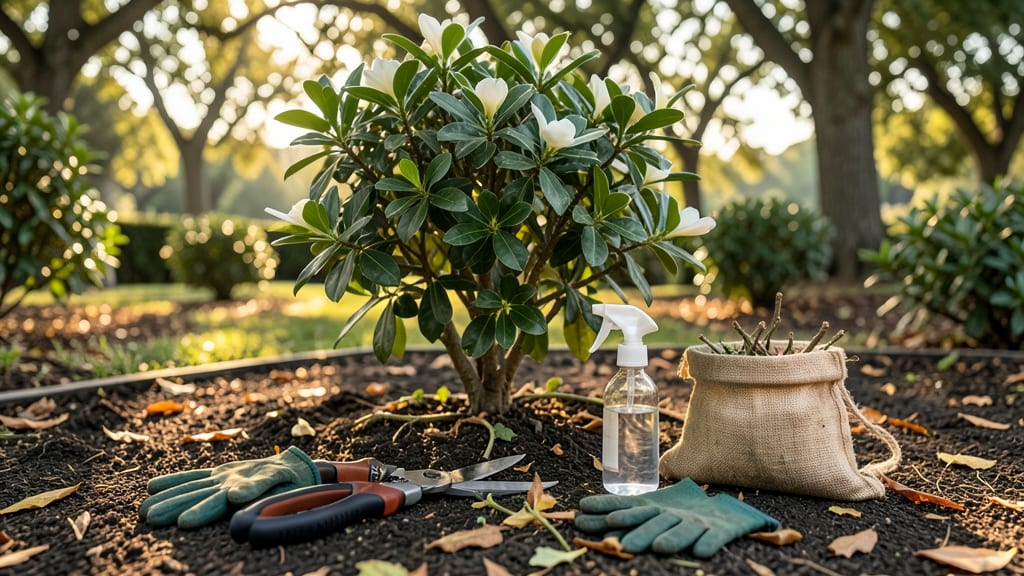
Pruning gardenia shrubs transforms them from wild, leggy bushes into neat, fragrant powerhouses—and timing is everything. ✂️ I’ve learned the hard way that cutting at the wrong season can leave you with sparse blooms or even dead branches.
The key is working with the plant’s natural rhythm, not against it, and I’ll show you exactly when, how, and why to prune for maximum impact.
You’ll need just three essential tools: sharp bypass pruners for clean cuts, rubbing alcohol to sterilize them between cuts (critical for disease prevention), and a ladder if your gardenia is taller than your reach.
The best time to prune is right after flowering, typically late spring or early summer, when the plant has finished its main bloom cycle but still has energy to regenerate. This timing ensures you don’t sacrifice next year’s flowers.
Start by removing dead, diseased, or crossing branches first—these are your priorities. Then, shape the shrub by cutting back overgrown stems to just above a leaf node or bud, always making cuts at a 45-degree angle to encourage water runoff.
Avoid cutting into old wood (the brown, woody stems), as gardenias struggle to regrow from there. Within 6-8 weeks, you’ll see fresh, vibrant growth pushing out, and those signature intoxicating blooms will return even more abundantly.
Post-pruning care is simple but vital: water deeply to help the plant recover, and hold off on heavy fertilizing until new growth appears. If you notice yellowing leaves or slow regrowth, it’s a sign you’ve pruned too aggressively.
Gardenias are forgiving, but they reward precision—this method keeps them blooming year-round while maintaining that lush, manicured look.
📚 In This Guide
- What you need
- Instructions
- Tips and common mistakes
- Wrapping up and next steps
What you need
- ● Bypass pruners (sharp, clean, and sterilized with rubbing alcohol) – 1 pair (for small stems)
- ● Loppers (for thicker branches, 2–3 feet long) – 1 pair
- ● Hand pruners (for precision cuts on delicate growth) – 1 pair
- ● Garden gloves (thick, cut-resistant) – 1 pair (gardenia thorns are real!)
- ● Disinfectant spray (70% isopropyl alcohol or bleach solution) – small bottle
- ● Garden twine or rubber bands – small roll (for securing branches if needed)
- ○ Pruning saw (for stubborn, thick wood) – 1 (optional, if branches exceed 1 inch in diameter)
- ● Hose or bucket of water – to rinse tools between cuts and clean sap
- ● Plant food or compost – to nourish the shrub post-pruning
- ● Mulch – to protect roots after trimming
- ● Notebook & pen – to sketch your shrub’s shape before pruning (great for beginners!)
- ● Safety glasses – if working near your face or eyes
Step-by-step guide to pruning gardenia shrubs for year-round health
Mastering gardenia pruning transforms your shrubs into fragrant, bushy powerhouses—here's how to do it right.
✂️ Step 1: Time Your Pruning for Optimal Growth
Prune gardenias immediately after their spring blooming cycle, typically in late May or early June. This timing ensures you never cut off next year's flower buds, which form on old wood. I always wait until all blooms have faded—this is your signal that the plant has finished flowering for the season and is ready for shaping.
Never prune in fall or winter, as gardenias are sensitive to cold damage. If you must shape lightly for aesthetics, do so only after the first flush of spring blooms but before summer heat sets in. The key is working with the plant's natural cycle rather than forcing it into an unnatural schedule.
✂️ Step 2: Gather the Right Tools and Prepare the Plant
Use clean, sharp bypass pruners (never dull shears—they crush stems and invite disease). Sterilize your tools with 70% rubbing alcohol before starting to prevent spreading fungal spores. I also wear gardening gloves because gardenias have small, sharp thorns that can draw blood.
Inspect your shrub for dead, diseased, or crossing branches first. These take priority over shaping. Remove any branches that are brown, mushy, or oozing sap—these are signs of infection. Healthy branches should feel firm and snap cleanly when bent slightly. Work from the outside in, gradually opening up the center for better airflow.
✂️ Step 3: Shape with Precision for Airflow and Light
Step back and visualize your gardenia's natural shape—it should resemble an open vase or rounded mound. Start by removing up to 25% of the plant's total volume in one session. Cut just above a leaf node (the bump where leaves attach) at a 45-degree angle, about ¼ inch above the node. This encourages new growth in the right direction.
Prune selective branches to open the center—gardenias hate dense interiors where humidity lingers and flowers fail to develop. Aim to reduce height by no more than 1 foot in a single pruning. You'll see immediate improvement as sunlight reaches previously shaded areas, which triggers more robust blooming next season.
💧 Step 4: Post-Pruning Care for Rapid Recovery
Water deeply right after pruning to help the plant recover from stress. Apply 1 inch of water at the base, avoiding the foliage to prevent fungal issues. I also add a balanced fertilizer (10-10-10) to support new growth. Gardenias are heavy feeders, especially after pruning, so don't skimp on nutrients.
Monitor the plant for new growth within 3-4 weeks. You'll notice fresh, vibrant leaves emerging from the pruned areas—this is your confirmation that the plant is healing well. Avoid heavy pruning again for at least 6 months to allow the shrub to establish its new framework. Over-pruning leads to weak, leggy growth with fewer blooms.
⏰ Step 5: Year-Round Maintenance for Continuous Blooms
Lightly trim spent blooms throughout the growing season to encourage more flowers. Use hand pruners to pinch off faded blossoms just above the next set of leaves. This technique, called deadheading, redirects the plant's energy into producing new buds rather than seed development.
In late summer, do a light shaping touch-up if needed, but avoid heavy cuts. Gardenias respond best to gradual pruning rather than drastic changes. By winter, your shrub should look full, balanced, and ready for the next blooming cycle. The goal is to maintain that natural, open shape while keeping the plant vigorous and fragrant year-round.
Tips & tricks for perfect gardenia shrub pruning
These key insights will help you transform your gardenia shrubs into fragrant, well-shaped beauties that thrive year-round.
Timing is Everything: Pay close attention to the plant's natural cycle—pruning in late May or early June, right after all spring blooms have faded, is critical. This ensures you don't accidentally cut off next year's flower buds, which develop on old wood. I've learned the hard way that waiting until all blooms are completely gone prevents weak growth and ensures robust flowering next season. The plant's natural signals are your best guide.
Precision Cutting Technique: When shaping in Step 3, always make cuts at a 45-degree angle about ¼ inch above a leaf node. This angle helps water run off the cut, reducing the risk of fungal infections. I've found that using clean, sharp bypass pruners makes all the difference—dull tools crush stems and create jagged cuts that invite disease. Sterilizing your tools with rubbing alcohol before each use prevents cross-contamination between plants.
Post-Pruning Recovery Strategy: The deep watering (1 inch at the base) immediately after pruning is non-negotiable. This step helps the plant recover from stress and prevents shock. I've seen gardenias wilt dramatically after pruning when this step is skipped, but they bounce back beautifully when properly hydrated. Adding a balanced 10-10-10 fertilizer at this time gives the plant the nutrients it needs to regenerate quickly and vigorously.
Pro Tips for Pruning Gardenia Shrubs
- These key insights will help you transform your gardenia shrubs into fragrant, well-shaped beauties that thrive year-round.
- Timing is Everything: Pay close attention to the plant's natural cycle—pruning in late May or early June, right after all spring blooms have faded, is critical.
- Precision Cutting Technique: When shaping in Step 3, always make cuts at a 45-degree angle about ¼ inch above a leaf node.
Frequently asked questions
Got questions about pruning gardenia shrubs?
You’re not alone! Here are some of the most common concerns—plus clear, actionable answers to keep your gardenias thriving.
When is the best time to prune gardenia shrubs?
Prune gardenias after they bloom in late spring or early summer. Avoid pruning in fall or winter, as cold weather can stress the plant. Light shaping can be done year-round, but major cuts should wait until the growing season to encourage healthy regrowth.
How much can I trim back a gardenia shrub?
Never remove more than one-third of the plant’s foliage at once. Over-pruning can shock the shrub and reduce flowering. Focus on dead, crossing, or overcrowded branches first, then shape gently. Gardenias respond best to gradual adjustments!
Why did my gardenia stop blooming after pruning?
Gardenias bloom on new wood, so pruning too late (after mid-summer) or too aggressively can delay flowers. If blooms drop, ensure the plant gets full sun (6+ hours/day), well-draining soil, and regular watering. Avoid heavy fertilizer right after pruning—wait until spring.
Can I prune gardenias in containers differently?
Container gardenias follow the same rules but may need more frequent pruning due to limited space. Trim back leggy growth to encourage bushiness, and repot every 2–3 years to refresh root space. Always use sterilized shears to prevent disease in compacted pots.
What if my gardenia looks sad after pruning?
Revive a stressed gardenia with these steps:
- Water deeply but avoid soggy soil.
- Apply a balanced fertilizer (10-10-10) in spring.
- Mulch around the base to retain moisture.
- Watch for pests—neem oil helps if aphids or mites appear.
Wrapping up and next steps
Pruning your gardenia shrubs doesn’t have to be intimidating—with the right tools, timing, and technique, you’ll enjoy healthier plants and even more fragrant blooms year after year. 🌸 Remember, consistency is key, whether you’re shaping for aesthetics or encouraging new growth.
Now that you’re armed with expert tips, grab those shears and give your gardenia the care it deserves!
Ready to take the next step? Monitor your shrub’s response after pruning and adjust your approach as needed. Happy gardening!