
Pruning
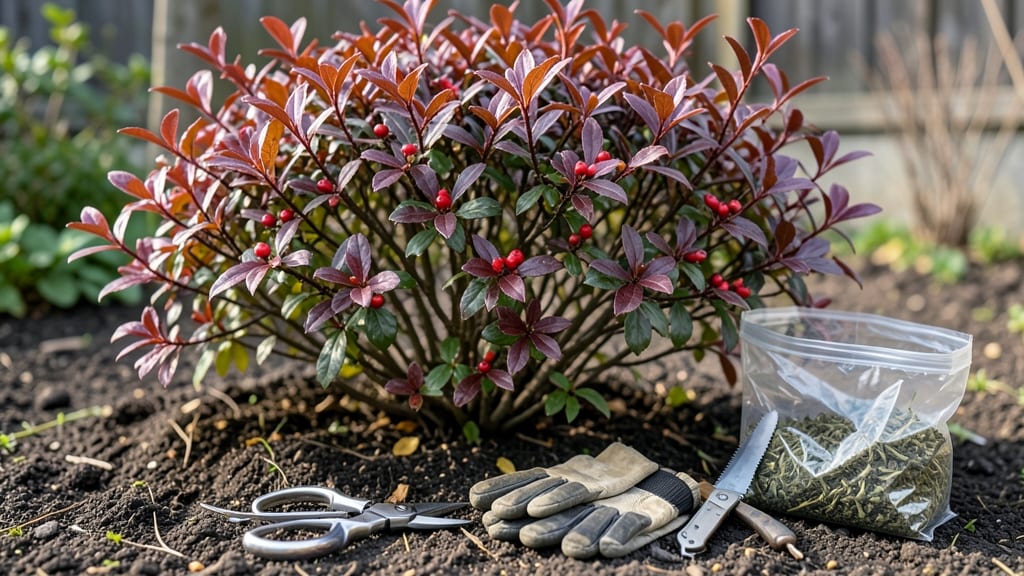
Pruning Japanese barberry transforms a scraggly shrub into a dense, vibrant hedge—and the secret is timing. 🌿 I’ve pruned these tough little shrubs for years, and the difference between a healthy barberry and one that struggles comes down to when and how you cut.
Late winter or early spring is your golden window, but there are tricks for year-round maintenance too. The right tools and technique make all the difference.
You’ll need sharp pruners, gloves (those thorns don’t play nice), and a clear goal: whether you’re shaping for a tidy border or rejuvenating an overgrown mess. I’ve seen barberries bounce back from near-death pruning—just avoid cutting into old wood, or you’ll stunt new growth.
By the time you’re done, you’ll have a bushier plant with stronger branches, better airflow, and fewer pests. The foliage stays lush, the berries (if you’re growing a fruiting variety) become more abundant, and the whole shrub looks like it belongs in a pro landscaper’s portfolio.
This works for both formal hedges and naturalistic plantings—just adjust the cuts. Here’s how to do it right, step by step.
📚 In This Guide
- What you need
- Instructions
- Tips and common mistakes
- Wrapping up and next steps
What you need
- ● Pruning shears: Sharp, bypass-style shears (4-6 inches) for clean cuts on smaller branches.
- ● Loppers: For thicker branches (up to 1.5 inches in diameter). Opt for bypass loppers for precision.
- ● Pruning saw: A bow saw or pruning saw for branches thicker than 1.5 inches.
- ● Gloves: Heavy-duty, cut-resistant gloves (e.g., mechanics’ or rose pruning gloves) to protect from thorns.
- ○ Disinfectant: 70% isopropyl alcohol or a pruning sealant (optional but recommended to prevent disease spread).
- ● Extension pole: For reaching higher branches without a ladder.
- ● Ladder: A sturdy, stable step ladder (4-6 feet) if your barberry is tall.
- ● Trash bags: For collecting pruned debris (1-2 large bags).
- ● Marking spray: Fluorescent paint or tape to mark branches for removal (useful for shaping).
- ● Safety goggles: To shield eyes from debris or sap.
- ● Check the weather: Prune on a dry, overcast day (avoid pruning when the plant is wet or in direct sun).
- ● Sharpen your tools: Dull blades can tear branches, inviting disease. Use a file or sharpening stone.
- ● Plan your cuts: Sketch a rough outline of your desired shape or growth goals.
Instructions for pruning Japanese barberry like a pro
Here’s the method I’ve used for years to keep my Japanese barberry thick, healthy, and full of vibrant foliage.
✂️ Step 1: Prune in Early Spring for New Growth
Start pruning as soon as new growth appears in early spring, usually around March or April depending on your climate. This timing ensures you remove dead or weak branches while encouraging fresh, vigorous shoots. Focus on cutting back one-third of the oldest stems to the ground—these are the thickest, woody branches that no longer produce strong foliage.
Use clean, sharp pruners to make 45-degree cuts just above a bud or lateral branch. Avoid leaving stubs, as they can rot and invite disease. If you see any dead, diseased, or crossing branches, remove them immediately. Japanese barberry responds well to this aggressive trim, so don’t hesitate—it’ll bounce back with thick, bushy growth by summer.
✂️ Step 2: Light Pruning in Late Spring to Shape the Bush
About 6-8 weeks after your early spring prune, do a lighter maintenance cut to shape the plant and remove any misplaced or overcrowded branches. This is the time to step back and assess the overall form—aim for a rounded, open center that allows sunlight to reach all parts of the bush.
Trim back any branches that are growing inward or rubbing against others, as these will weaken over time. You can also lightly pinch back the tips of new growth to encourage branching. Avoid heavy pruning now—this is all about refining, not reshaping. If you notice any leggy stems, cut them back by half their length to promote bushier growth.
✂️ Step 3: Minimal Summer Pruning for Deadheading and Cleanup
During the summer months, focus on deadheading spent flowers and removing any branches that look diseased or damaged. Japanese barberry doesn’t require heavy summer pruning, but keeping up with minor cuts prevents the plant from looking untidy and encourages more blooms for next season.
If you notice any branches with yellowing leaves or signs of stress, trim them back to healthy growth. Avoid pruning during extreme heat—wait until morning or late afternoon when temperatures are cooler. This small maintenance keeps the plant looking tidy and sets it up for a strong finish to the growing season.
✂️ Step 4: Final Prune in Late Fall to Prepare for Winter
In late fall, after the plant has gone dormant but before the first hard frost, do a final light prune to remove any dead or weak branches. This helps the plant enter winter in the best possible condition. Cut back any stems that are crossing or growing in awkward directions—these will only compete with stronger growth in spring.
Leave the plant with a natural, slightly rounded shape—Japanese barberry has beautiful winter interest, so avoid over-pruning. If you’re in a colder climate, this final trim also helps reduce wind damage during winter storms. Once done, clear away any fallen leaves or debris from around the base to prevent fungal issues.
⏰ Step 5: Year-Round Monitoring for Health and Adjustments
Throughout the year, keep an eye out for pests, disease, or signs of stress—Japanese barberry is generally low-maintenance, but it’s always worth checking in. If you notice any branches dying back unexpectedly, trim them immediately to prevent the issue from spreading. Regular monitoring ensures you catch problems early and keep the plant thriving.
This year-round approach keeps your Japanese barberry looking its best without overdoing it. The key is gradual pruning—never more than one-third of the plant at a time—and always cutting back to a healthy bud or branch. With this method, your barberry will stay bushy, strong, and full of vibrant foliage for years to come.
Tips & tricks for pruning Japanese barberry like a pro
Between us, the secret to keeping your Japanese barberry thriving isn't just about when you prune—it's about how you do it. Here are the details that make all the difference.
Timing is Everything: The early spring prune (around March or April) is non-negotiable for vigorous growth, but here's what nobody tells you—watch for the first signs of new growth, not just the calendar. Those tiny green shoots mean it's time to act. I've seen plants miss their window and struggle all season because we waited "just a little longer."
The One-Third Rule: Never cut back more than one-third of the oldest stems at once, but here's the trick: focus on the thickest, most woody branches first. These are the ones that steal energy from your plant's center. I learned this the hard way after accidentally removing too many stems in one go—my barberry took forever to recover. Always prioritize those thick, established branches over newer growth.
Cutting Technique Matters: That 45-degree angle isn't just for looks—it's about directing water away from the cut to prevent rot. But here's what I do differently: I make sure my pruners are razor-sharp before every cut. Dull blades crush stems instead of cleanly severing them, which creates more damage than the cut itself. Invest in good pruners and keep them sharp—your plant will thank you with healthier growth.
Seasonal Adjustments: While the instructions cover the basics, here's my pro move: in late spring, I take a step back and look at my plant from all angles. If I notice any leggy stems reaching toward the sky, I cut them back by half their length right then. This encourages bushier growth without waiting for the next scheduled prune. Think of it as giving your plant a little nudge in the right direction.
Pro Tips for Pruning Japanese Barberry
- Between us, the secret to keeping your Japanese barberry thriving isn't just about when you prune—it's about how you do it.
- Timing is Everything: The early spring prune (around March or April) is non-negotiable for vigorous growth, but here's what nobody tells you—watch for the first signs of new growth, not just the calendar.
- The One-Third Rule: Never cut back more than one-third of the oldest stems at once, but here's the trick: focus on the thickest, most woody branches first.
Frequently asked questions
Got questions about pruning Japanese barberry? You’re not alone! Whether you're a beginner or just need a quick refresher, here are some of the most common queries—plus straightforward answers to keep your shrub thriving.
When is the best time to prune Japanese barberry?
Late winter or early spring (just before new growth starts) is ideal for major pruning. For light shaping or deadwood removal, you can prune anytime except mid-summer. Avoid heavy cuts in fall, as it may stimulate tender new growth that could be damaged by frost.
How much can I trim back my Japanese barberry?
You can safely remove up to ⅓ of the plant’s total volume in one season without stressing it. For rejuvenation, cut back older stems to 6–12 inches from the ground, but avoid over-pruning—this shrub is resilient but not invincible!
What if my Japanese barberry isn’t growing bushier after pruning?
If your barberry stays sparse, check for over-pruning or poor soil/nutrients. Try fertilizing in early spring, watering deeply, and pruning just above a leaf bud (not bare wood) to encourage branching. If issues persist, test your soil pH—barberries prefer slightly acidic to neutral soil (6.0–7.0).
Can I prune Japanese barberry to encourage flowers or berries?
Japanese barberry produces tiny yellow flowers in spring and red berries later, but pruning won’t dramatically boost them. Focus on removing dead or crossing branches to improve airflow and reduce disease. For better berry production, prune lightly in late winter to promote new growth where flowers form.
What should I do if my barberry looks leggy or woody after pruning?
Leggy growth often means it’s time for a rejuvenation cut—prune back ⅔ of the oldest stems to ground level in early spring. This forces fresh, bushier growth from the base. Avoid heavy cuts in fall, as it can stress the plant. Pair with a balanced fertilizer to support recovery.
Are there alternatives to pruning Japanese barberry for bushier growth?
While pruning is the most effective, you can also pinch back new growth in early summer to encourage branching. For dense foliage, consider mulching (2–3 inches of organic matter) to retain moisture and nutrients. If space is tight, opt for dwarf varieties like ‘Rose Glow’ or ‘Compact Orange’, which naturally stay bushier.
Wrapping up and next steps
Pruning your Japanese barberry doesn’t have to be intimidating—it’s all about timing, technique, and consistency! 🌿 With the right tools and a little patience, you’ll reward yourself with a lush, vibrant bush that thrives year after year.
Whether you’re shaping for aesthetics or boosting health, every snip brings you closer to a stronger, more resilient plant.
Ready to take the next step? Grab your pruners, mark your calendar for seasonal checks, and enjoy the transformation! Your Japanese barberry will thank you with bushier growth and stunning foliage—happy pruning! 🌟