
Pruning
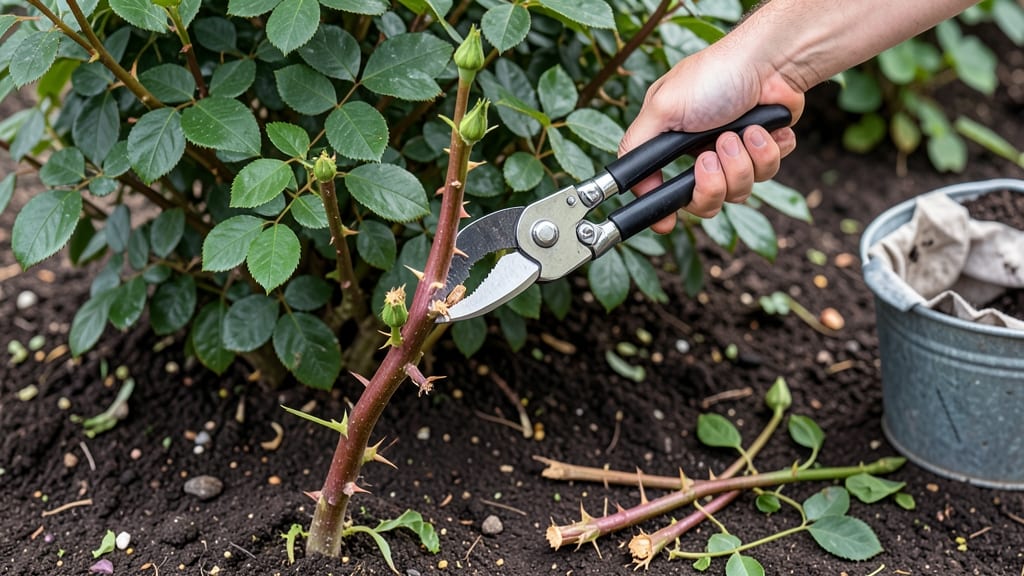
Spring pruning knockout roses transforms last year’s scraggly growth into a bloom machine by summer. ✂️ I’ve pruned these tough bushes for years, and the difference between a lazy cut and a strategic one means the difference between a few sad flowers and a nonstop show of vibrant blooms.
The key? Timing it right—after the last frost but before new growth explodes—and making clean cuts that encourage energy to go where you want it: upward, not outward.
You’ll need just three tools: sharp bypass pruners, rubbing alcohol (to sterilize cuts), and a pair of gloves—because roses will scratch you if you’re not careful. The real secret isn’t fancy; it’s patience. Knockout roses are forgiving, but they reward precision.
Start by removing dead, crossing, or weak stems first, then shape the bush like a rounded vase, leaving 3-5 strong buds on each remaining stem. This isn’t about perfection—it’s about setting your roses up to outperform themselves.
What you end up with is a bush that blooms heavier and longer than ever before, with fewer pests and diseases sneaking in.
The air moves better through the center, so those dark green leaves stay lush and disease-free, and the stems thicken over time, making them tougher against wind and storms. By mid-June, your neighbors will be asking what your secret is—and you’ll know it’s those sharp cuts in March.
Works for new and old bushes, container-grown roses, or even those stubborn ones that never quite lived up to their reputation. The same principles apply whether you’ve got one plant or a full hedge—just scale the tools and time. Let’s get those shears ready.
📚 In This Guide
- What you need
- Instructions
- Tips and common mistakes
- Wrapping up and next steps
What you need
- ● Bypass pruners – Sharp, clean pruners (1 pair) for cutting stems up to ½ inch in diameter. Avoid anvil pruners—they crush stems, which can damage the plant.
- ● Loppers – Heavy-duty loppers (1 pair) for thicker branches (½–1½ inches). Look for long handles (18–24 inches) for leverage.
- ● Pruning saw – A fine-tooth saw (1) for stubborn, woody stems over 1½ inches thick.
- ● Garden gloves – Cut-resistant gloves (1 pair) to protect hands from thorns and debris.
- ● Disinfectant (70% isopropyl alcohol or bleach solution) – To sterilize tools between cuts and prevent disease spread.
- ● Rake or broom – For clearing fallen leaves and debris after pruning.
- ● Hand pruners (felco-style) – For precision trimming on smaller stems.
- ○ Pruning sealant – Optional for large cuts (over ½ inch) to prevent disease entry.
- ● Marking twine or flags – To tag branches for future reference (helpful in complex pruning).
- ● Wheelbarrow or bucket – For collecting pruned branches and debris.
- ● Check the weather forecast—prune on a dry, overcast day or early morning to reduce stress on the plant.
- ● Have a clear workspace—remove weeds and debris around the rose bush for better visibility.
- ● Wear long sleeves and pants—knockout roses are thorny! Pro tip: A long-sleeve shirt with elastic cuffs adds extra protection.
Step-by-Step instructions for pruning knockout roses in spring
Here's my foolproof method for revitalizing your roses—clean cuts mean bigger, healthier blooms all season.
✂️ Step 1: Time Your Pruning Perfectly
Wait until after your last frost date when nighttime temperatures stay above 32°F consistently. This ensures no surprise freezes will damage fresh cuts. I prune mine in early April in my zone 7 garden, but adjust for your climate—just don't wait past when new growth begins.
Look for swollen buds along the stems—these signal the plant's readiness. If you see green shoots emerging, you've waited too long. The goal is to remove old wood while the plant still has energy reserves to fuel new growth. Grab your pruners and gloves, and get ready to transform that tangled mess.
✂️ Step 2: Remove Dead, Diseased, or Weak Wood First
Start by scanning each cane for blackened, mushy, or hollow stems—these are dead or diseased and must go. Cut these back to healthy wood at a 45-degree angle, about ¼ inch above an outward-facing bud. I always make this my first pass because diseased wood can spread pathogens to healthy stems if left in place.
Next, remove any thin, spindly canes that never bloomed well last year. These weak stems drain energy from stronger growth. You'll know a cane is too weak if it's thinner than a pencil—snip it at the base. This might seem harsh, but your roses will thank you with thicker, more productive canes next season.
✂️ Step 3: Shape the Bush with Strategic Cuts
Now for the fun part—reshaping! Knockout roses bloom on new wood, so you can cut back old canes aggressively. Aim to leave 3-5 strong, outward-facing buds on each remaining stem. Make your cuts just above these buds at the same 45-degree angle, which prevents water from pooling and causing rot.
Step back and visualize the plant's natural shape. You want an open center that allows air circulation—this prevents fungal diseases. Avoid cutting back the oldest wood (usually the largest canes) too severely, as these provide structure. The key is balance: enough rejuvenation to encourage new growth, but not so much that you sacrifice the plant's framework.
✂️ Step 4: Clean Up and Apply Post-Pruning Care
After pruning, rake up all debris and dispose of it in the trash—never compost rose prunings, as they can harbor diseases. Sterilize your pruners with rubbing alcohol between cuts to prevent spreading pathogens. I also like to give the base of the plant a light application of compost or mulch to retain moisture and protect new growth.
Water deeply right after pruning to help the plant recover. You'll notice fresh, bright green leaves emerging within 7-10 days—this is your sign that the pruning worked. Avoid heavy fertilization right away; instead, wait until new growth appears before applying a balanced rose fertilizer to support the upcoming blooming season.
⏰ Step 5: Monitor and Maintain Through the Season
Keep an eye out for suckers—those vigorous shoots growing from the base or along the stem. These compete with your main canes for energy, so remove them promptly. You'll also want to deadhead spent blooms regularly to encourage continuous flowering. Pinch off flowers as they fade, cutting just above a set of five leaves.
Watch for signs of stress like yellowing leaves or black spots—these could indicate over-pruning or disease. If you notice leggy new growth, your roses might need more sunlight. Knockout roses thrive in full sun (6+ hours daily), so adjust their position if growth seems weak. With proper care, your pruned roses will reward you with nonstop blooms from early summer until frost.
Tips & tricks for pruning knockout roses in spring
A few sharp insights that'll transform your pruning game and set your roses up for a season of spectacular blooms.
Timing is Everything: The 32°F threshold isn't just about frost—it's about the plant's internal clock. Roses need time to recover from winter dormancy, and pruning too early can shock them. I've learned this the hard way after seeing new growth get nipped by late frosts. Check your local frost dates and add a buffer week to be safe. If you're unsure, wait until you see those swollen buds along the canes—this is nature's perfect cue.
Cutting Angle Matters: That 45-degree angle isn't arbitrary—it's about directing water away from the cut to prevent rot. Imagine the cut like a roof: water runs off instead of pooling. I always visualize a slice of pizza when making these cuts. For thicker canes, make the angle slightly shallower to avoid tearing the bark. And remember, always cut just above an outward-facing bud—this ensures new growth will angle away from the center, creating that open, airy shape we want.
Tool Maintenance Prevents Problems: Sterilizing your pruners between cuts in Step 4 isn't optional—it's essential. I keep a small bottle of rubbing alcohol handy and wipe down blades after every 3-5 cuts, especially when dealing with diseased wood. A dull blade tears stems instead of making clean cuts, which stresses the plant. Invest in a good pair of bypass pruners—they'll last years and make your work cleaner and easier. And for thick canes, use loppers rather than forcing small pruners.
Post-Pruning Care Sets the Stage: That 7-10 day window for new leaf growth is your progress report. If you don't see fresh green leaves emerging, you might have pruned too aggressively or the plant needs more time to recover. After pruning, I give my roses a light application of compost around the base—not directly on the stems—to retain moisture without smothering new growth. And here's a pro move: water deeply in the morning so the foliage has time to dry, reducing fungal risks.
Pro Tips for Pruning Knockout Roses In Spring
- A few sharp insights that'll transform your pruning game and set your roses up for a season of spectacular blooms.
- Timing is Everything: The 32°F threshold isn't just about frost—it's about the plant's internal clock.
- Cutting Angle Matters: That 45-degree angle isn't arbitrary—it's about directing water away from the cut to prevent rot.
Frequently asked questions
Got questions about pruning your knockout roses in spring?
You’re not alone! Here are some of the most common concerns—and straightforward answers—to help you tackle the task with confidence.
When is the exact best time to prune knockout roses in spring?
Prune after the last hard frost when new growth begins, typically between early to mid-spring (March–April, depending on your zone). Avoid pruning too early—dormant roses can’t heal wounds well in cold weather. If you missed the window, wait until late spring (May) but prioritize pruning before buds swell.
How much should I cut back knockout roses in spring?
Knockout roses thrive with drastic pruning—cut back one-third to one-half of the plant’s height. Remove dead, diseased, or crossing branches first, then prune outward-facing canes to an open center shape. Aim to leave 3–5 healthy buds per stem for new growth.
What if I prune too late? Will my roses still bloom?
Pruning after buds form (late spring/summer) may delay blooms but won’t kill the plant. However, late pruning can stress roses and reduce flower production. If you’ve already pruned too late, focus on watering deeply and fertilizing to encourage recovery. Next year, prune early to avoid this!
Can I use hedge trimmers instead of pruners for knockout roses?
While hedge trimmers work for light shaping, they’re not ideal for precise pruning. They can tear bark, leave jagged cuts, and damage stems. For knockout roses, use sharp bypass pruners or loppers to make clean cuts at a 45-degree angle just above a bud or outward-facing branch.
What should I do if my knockout roses bleed sap after pruning?
Sap bleeding (a sticky, watery ooze) is normal but can attract pests. To minimize it, prune on a cool, dry day (not warm). Once bleeding stops (usually within a few days), apply pruning sealant or dormant oil to wounds to prevent disease. Avoid over-pruning—less bleeding = healthier roses!
Wrapping up and next steps
Pruning your knockout roses in spring is the secret to vibrant, long-lasting blooms and a healthier plant!
With the right tools, timing, and technique, you’ll encourage lush growth and fewer pests—plus, it’s easier than you think. 🌸 Now that you’re armed with the know-how, grab those shears and give your roses the fresh start they deserve.
🌱 Next Steps:
- Mark your calendar for late winter or early spring—your roses will thank you!
- Keep an eye on new growth; prune again in summer if needed for shape and health.
- Celebrate your green thumb—your garden is about to burst with color! 🎉