
Pruning
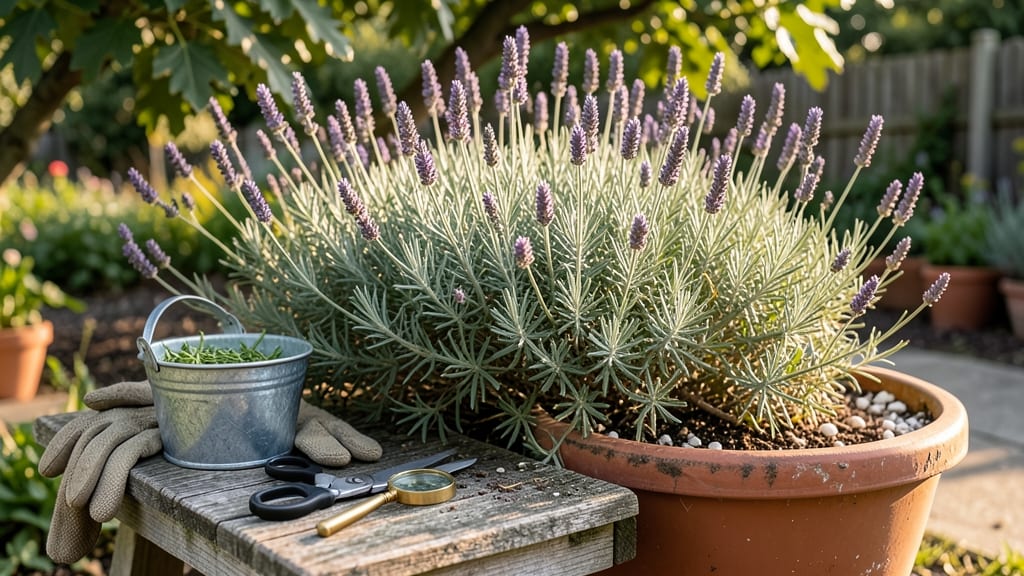
Summer pruning lavender isn't just possible—it can revive your plants when done right. ✂️ I’ve watched lavender go from straggly and woody to lush and fragrant just by timing cuts correctly, and I’ll show you how to do it without risking next year’s blooms.
The key is cutting after flowering, when new growth has already started but before the heat peaks. Most gardeners prune in late winter, but summer pruning works in hot, dry climates where lavender struggles to bounce back in spring.
Just avoid heavy cuts—focus on shaping and removing only the oldest, leggy stems.
You’ll end up with compact, bushier plants that smell stronger and bloom more next season. The trick is patience: wait until the flowers fade, then trim just the tips with clean shears. No drastic cuts—think of it as a haircut, not a buzz.
This method works best in USDA zones 5-9, but even cooler climates can try it if summer heat stresses your lavender. Just skip it if your plants are already struggling from drought or pests.
📚 In This Guide
- What you need
- Instructions
- Tips and common mistakes
- Wrapping up and next steps
What you need
- ● Bypass pruners: Sharp, clean pruners (preferably bypass-style) to make precise cuts. Avoid dull or anvil pruners—they can crush stems.
- ○ Hand pruners (optional for small jobs): A compact pair for trimming smaller stems or tight spaces.
- ● Garden gloves: A pair of cut-resistant gloves to protect your hands from thorns and rough stems.
- ● Disinfectant (rubbing alcohol or bleach solution): Clean your tools before and after pruning to prevent disease spread (1 part bleach to 9 parts water).
- ● Garden shears or hedge clippers: For larger lavender bushes or hedges (if applicable). Choose adjustable blades for versatility.
- ● Bucket or trash bag: To collect pruned stems and debris—lavender trimmings can be composted or used as mulch!
- ● Watering can or hose: Lavender is drought-tolerant, but a light watering after pruning helps reduce stress.
- ● Pruning saw: For stubborn, woody stems that pruners can’t handle.
- ● Knee pad or stool: For comfort if your lavender is tall or ground-level pruning is needed.
- ● Lavender-specific fertilizer: A low-nitrogen, phosphorus-rich fertilizer (like 5-10-10) to support regrowth.
- ● Mulch (gravel or pebbles): Helps retain moisture and deter weeds around the base of your lavender.
Step-by-step guide for pruning lavender in summer
Here’s how to refresh your lavender bushes without stressing the plant or losing next year’s flowers.
✂️ Step 1: Time Your Pruning for Optimal Recovery
Wait until after the first flush of blooms has faded—usually late June to early July in most climates. This ensures the plant has stored enough energy for new growth. Pruning too early removes flower buds for next season, while waiting too long risks leggy, woody stems.
Look for spent blooms that have turned brown and dried. When 70-80% of the flowers are gone, that’s your cue. I always prune on a mild, overcast day to avoid shocking the plant with sudden heat or sun exposure right after cutting.
✂️ Step 2: Use the Right Tools and Technique
Grab sharp, clean pruning shears—dull blades crush stems and invite disease. Disinfect them with rubbing alcohol before and after use to prevent spreading pathogens. Lavender stems are woody, so avoid hedge trimmers, which can tear the foliage.
Make your cuts just above a set of healthy leaves or a leaf node, never at a bare stem. This encourages new growth from the right spot. I like to shape the bush into a rounded dome rather than cutting flat—this mimics its natural form and keeps air circulating.
✂️ Step 3: Prune Strategically to Avoid Overcutting
Never remove more than one-third of the plant’s height in a single session. For mature lavender, this means cutting back 3-4 inches from the top of the stems. Over-pruning stresses the plant and can lead to dead centers or stunted growth.
Focus on removing only the woody, leggy growth—the older stems that have lost their silvery foliage. Leave the younger, green stems untouched; these are where next year’s flowers will form. If you’re unsure, err on the side of caution and trim less.
💧 Step 4: Care for Lavender After Pruning
Water deeply but lightly right after pruning—just enough to settle the soil. Lavender is drought-tolerant, but pruning exposes fresh cuts that need moisture to heal. Avoid soaking the plant or wetting the foliage, which can cause rot.
For the next 4-6 weeks, keep the soil slightly moist but never soggy. You’ll see new growth emerging from the leaf nodes within 2-3 weeks—this is your sign the plant is recovering. If you notice yellowing leaves, it’s likely from stress, not overwatering.
☀️ Step 5: Monitor and Maintain Through Summer
Place your lavender in full sun—at least 6-8 hours daily—to support strong regrowth. If your climate is hot and humid, mulch lightly with gravel or coarse sand to improve drainage and deter fungal issues.
Watch for new flower buds forming in late summer. These will bloom next year, so avoid any more heavy pruning until after they fade. A well-pruned lavender bush should look fuller and bushier by fall, with a fresh burst of growth ready for winter.
Tips & tricks for perfect summer lavender pruning
A few simple strategies will help you refresh your lavender bushes without sacrificing next year's beautiful blooms.
The Timing Secret: Pay close attention to the 70-80% bloom fade rule—this is when your lavender has stored enough energy for recovery. I've learned the hard way that pruning too early (when buds are still green) removes next year's flowers, while waiting too late creates leggy stems. Mark your calendar for late June to early July as your target window.
Tool Technique: Never use hedge trimmers on lavender—they tear the delicate stems and create jagged cuts that invite disease. Instead, invest in a pair of sharp bypass pruners (like Felco or Corona models) and always disinfect them with rubbing alcohol before and after use. The clean cuts heal faster and encourage stronger regrowth. I keep a small bottle of rubbing alcohol in my gardening shed for quick disinfection between plants.
Visual Pruning Guide: When shaping your lavender, imagine a rounded dome—this mimics its natural form and prevents the flat, unnatural look from boxy cuts. For mature bushes, focus on removing only the woody, leggy stems—these are the older growth that's lost its silvery foliage. The younger green stems will produce next year's flowers, so leave them untouched. If you're unsure which stems to cut, remember: healthy leaves = keep it; woody = remove it.
Post-Pruning Recovery: After trimming, water deeply but lightly—just enough to settle the soil around the roots. The key is to avoid wetting the foliage, which can cause rot. For the next 4-6 weeks, keep the soil slightly moist (about the moisture level of a wrung-out sponge). You'll notice new growth emerging from the leaf nodes within 2-3 weeks—this is your plant's way of saying "thank you" for the careful pruning.
Pro Tips for Pruning Lavender In Summer
- A few simple strategies will help you refresh your lavender bushes without sacrificing next year's beautiful blooms.
- The Timing Secret: Pay close attention to the 70-80% bloom fade rule—this is when your lavender has stored enough energy for recovery.
- Tool Technique: Never use hedge trimmers on lavender—they tear the delicate stems and create jagged cuts that invite disease.
Frequently asked questions
Got questions about summer lavender pruning? You’re not alone—this delicate task can feel tricky! Below, we’ve rounded up the most common concerns to help you prune with confidence and keep your lavender thriving.
Can I prune lavender in summer if it’s already bloomed?
Yes, but lightly! After flowering, trim only the spent blooms (deadheading) to encourage new growth. Avoid heavy pruning in late summer—this can stress the plant before winter. Focus on shaping in early summer or early spring instead.
How soon after blooming should I prune lavender?
Wait until after the flowers fade but before new buds form—usually 4–6 weeks post-bloom. This timing balances bloom removal and prevents overstimulation of tender new growth. For most varieties, late July or early August works well in warmer climates.
What if I accidentally cut into the woody stems?
Don’t panic! Lavender is resilient, but avoid cutting into old wood (hard, brown stems) as it won’t regrow. If you nick a woody stem, just trim the damaged area cleanly. Focus on pruning just above the green growth to keep the plant healthy.
Is summer pruning safe in hot or humid climates?
Use caution! Prune on cool, cloudy days to reduce stress. In humid areas, avoid heavy pruning—it can invite fungal issues. Water the base lightly post-prune, but keep soil dry to prevent rot. Early morning or late afternoon are ideal times.
Will pruning lavender in summer stunt next year’s blooms?
Not if done right! Heavy summer pruning can reduce next year’s flowers, but light shaping (1/3 of growth max) and deadheading spent blooms actually encourages more robust blooms. Save aggressive pruning for late winter/early spring.
Still unsure? Start small—prune just the tips of stems to test your lavender’s response before committing to a full trim!
Wrapping up and next steps
Pruning lavender in summer is all about balance—trimming just enough to encourage lush growth while preserving those fragrant blooms you love. 🌿 With the right tools, timing, and technique, you’ll keep your lavender thriving for years.
Now that you’re armed with the know-how, roll up your sleeves and give your plants the care they deserve—your garden (and your senses!) will thank you.
Ready to take it further? Experiment with propagation—those pruned cuttings can root and become new lavender plants! Or, share your newfound skills with fellow gardening enthusiasts. Happy pruning!