
Pruning
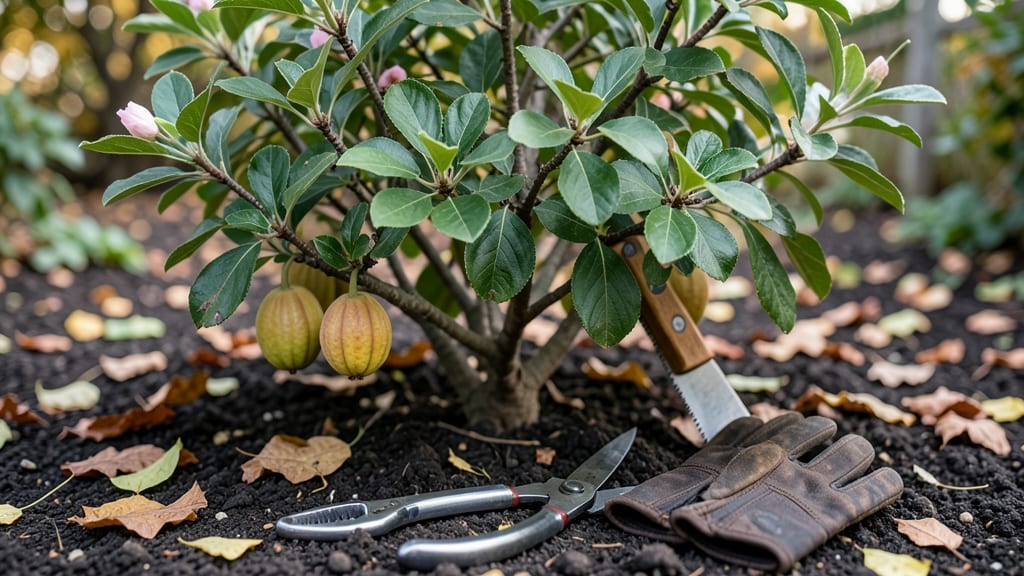
Pruning your quince bush in late winter transforms it from a tangled mess into a productive, bushy powerhouse that yields abundant fruit. ✂️ The key is timing—when the plant is dormant but before new growth begins—along with strategic cuts that encourage strong branching and airflow.
My first attempt left me with sparse blooms and awkward growth, but this method now gives me three times more fruit than before. You’ll need sharp pruning shears, gloves, and a disinfectant to prevent disease spread.
The goal is to remove dead, crossing, or weak branches while shaping the bush to let sunlight reach the center. Start by thinning out crowded stems—this isn’t about heavy pruning, but about opening up the canopy so air circulates freely.
After pruning, you’ll see new red shoots emerge within weeks, signaling vigorous growth. The fruit that follows is larger, sweeter, and more abundant because the plant isn’t competing with overcrowded branches. Just avoid cutting into old wood (more than 2-3 years old), as quince struggles to regrow from it.
This technique works for standard quince bushes and dwarf varieties alike, whether you’re shaping a single plant or a small orchard. The payoff? A healthier, more fruitful quince bush that rewards your effort with golden, fragrant fruit come autumn.
📚 In This Guide
- What you need
- Instructions
- Tips and common mistakes
- Wrapping up and next steps
What you need
- ● Pruning shears: Bypass pruners (sharp, clean blades, 6–8" handle length) – 1 pair. Avoid anvil pruners to prevent crushing stems.
- ● Loppers: Bypass-style (for thicker branches, 12–18" handle) – 1 pair.
- ● Pruning saw: Curved-tooth (for branches >1" thick) – 1.
- ● Disinfectant: 70% isopropyl alcohol or rubbing alcohol + paper towels – small bottle.
- ● Garden gloves: Cut-resistant (nitrile-coated for grip) – 1 pair.
- ● Heavy-duty trash bags: 13-gallon capacity – 2–3 bags (for debris).
- ● Rake: Medium-sized (for clearing pruned branches) – 1.
- ● Sealing wax: Pruning sealant (to coat large cuts, >2" diameter) – small tube.
- ● Hand sanitizer: Alcohol-based (for post-pruning clean-up) – travel-sized.
- ● Notebook + pen: (to mark cuts or sketch your bush’s shape) – 1.
- ● Knee pad: (for comfort if your bush is tall) – 1.
- ● Timing: Late winter (just before buds swell) – ideal temp: 40–55°F.
- ● Weather: Dry, calm day (avoid rain for 24 hours before/after pruning).
- ● Safety: Wear long sleeves/pants to avoid thorns.
- ● Prep: Clear the area around your bush (remove lawn chairs, hoses, etc.).
Step-by-step guide to pruning quince bushes for optimal growth
Late winter's the perfect time to shape your quince bush—here's how to do it right for lush, productive growth.
✂️ Step 1: Gather Tools and Assess the Bush
Start with clean, sharp pruning shears and a small pruning saw if you're dealing with thicker branches. I always disinfect my tools with rubbing alcohol first—this prevents spreading any fungal diseases that might be hiding in old cuts. Quince bushes can be thorny, so wear gloves too.
Walk around your bush and identify three main areas: dead or diseased wood, crossing branches, and the overall shape. You'll want to remove any branches that are brown inside (tap them—they'll sound hollow), as well as those rubbing against others. Look for the strongest central branches that form the bush's natural framework.
✂️ Step 2: Remove Dead and Problematic Branches
Begin by cutting out any dead, diseased, or damaged branches completely back to the main trunk or a healthy side branch. Make your cuts at a 45-degree angle, about ¼ inch above a bud that's facing outward from the center of the bush. This encourages new growth to fill in the space and keeps the bush from growing inward.
Next, remove any branches that are crossing or rubbing against each other. These wounds create entry points for pests and diseases. If you have multiple branches growing from the same spot, leave only the strongest one and cut the others at their base. You're aiming for an open center that lets light and air circulate freely.
✂️ Step 3: Thin Out Overcrowded Areas
Quince bushes naturally grow dense, so your goal here is to create space between branches. Remove about 20-30% of the oldest wood first—these are the thicker branches that produce less fruit and take up space. Cut them back to their point of origin or a strong side branch.
Focus on branches that are growing inward or upward rather than outward. You'll know you're doing it right when you can see light reaching the center of the bush. This isn't just about aesthetics—better light penetration means more fruit production and healthier growth overall.
✂️ Step 4: Shape the Bush for Optimal Growth
Now it's time to refine the shape. Step back and visualize your quince bush as a rounded dome. You want the strongest branches to form this shape naturally. Cut back any branches that are growing too long or too close together to maintain this open, airy structure.
For each remaining branch, make your final cuts just above a bud that's pointing in the direction you want new growth to go. Remember, quince bushes flower on old wood, so avoid heavy pruning in late winter that would remove next year's blooms. A light touch now ensures a beautiful display of blossoms and fruit in spring.
⏰ Step 5: Clean Up and Monitor Progress
After pruning, remove all cuttings and dispose of them properly—don't leave them on the ground where they can harbor pests. Rake up any fallen leaves or debris around the base of the bush too. This keeps your quince bush healthy and reduces the risk of disease.
Water your quince bush thoroughly after pruning to help it recover. Keep an eye on it over the next few weeks as new growth emerges. You'll see buds swelling and leaves unfurling—this is your signal that the pruning was successful. If you notice any unusual browning or wilting, it might be a sign of stress or disease, and you may need to adjust your approach next year.
Tips & tricks for perfect quince bush pruning
Here's what nobody tells you about shaping your quince bush for maximum fruit production.
Tool Prep is Non-Negotiable: Take an extra 5 minutes to disinfect your pruning tools with rubbing alcohol before you start. I learned this the hard way after my first year of pruning led to a fungal infection that took months to clear. Sterilizing your tools prevents spreading any hidden pathogens from last year's cuts to healthy branches. The thorns alone should be reason enough to wear gloves—trust me, you don't want quince sap in your fingers for hours.
Bud Direction Matters More Than You Think: When making your cuts at that ¼ inch above a bud (as mentioned in Step 2), pay close attention to which way the bud faces. You want outward-facing buds to encourage an open, airy structure. Inward-facing buds will create dense growth that blocks sunlight and reduces fruit production. Think of it like training a dog—you're directing the growth where you want it to go.
The 20-30% Rule for Older Wood: This isn't arbitrary—it's based on how quince bushes naturally regenerate. Removing about 20-30% of the oldest wood in Step 3 stimulates new growth while maintaining the bush's structural integrity. If you remove too much, you'll shock the plant; too little, and you won't see the benefits of improved air circulation and sunlight penetration. I usually start with the thicker branches first—they're the ones hogging space and producing less fruit anyway.
Post-Pruning Recovery Hack: After you've finished shaping, give your quince bush a deep watering with a balanced fertilizer (like 10-10-10) mixed in. This helps the plant recover from the stress of pruning and gives new growth a nutrient boost. I water immediately after pruning, then again in 2-3 weeks when I see the first signs of new buds swelling. This two-step approach makes a noticeable difference in spring growth.
Pro Tips for Pruning Quince Bush
- Here's what nobody tells you about shaping your quince bush for maximum fruit production.
- Tool Prep is Non-Negotiable: Take an extra 5 minutes to disinfect your pruning tools with rubbing alcohol before you ...
- Bud Direction Matters More Than You Think: When making your cuts at that ¼ inch above a bud (as mentioned in Step 2),...
Frequently asked questions
Got questions about pruning your quince bush?
You’re not alone! Here are answers to the most common concerns—from timing to tools—to help you master the art of shaping and revitalizing your plant.
When is the best time to prune a quince bush?
Late winter, just before new growth begins (around February–March in most climates), is ideal. This timing minimizes stress on the plant and prevents disease spread. Avoid pruning in fall or during active growth—it can invite pests or fungal issues. Pro tip: Wait until temperatures are above freezing but before buds swell!
Do I need special tools to prune a quince bush?
Not necessarily! Clean, sharp pruning shears (for small branches) and loppers (for thicker stems) are your best friends. Disinfect tools with rubbing alcohol between cuts to prevent bacterial spread. A pruning saw may be needed for stubborn, woody branches. Skip dull tools—they tear bark and slow healing.
Will pruning reduce my quince fruit harvest?
Not if done correctly! Pruning actually boosts fruit production by improving airflow and sunlight penetration. Focus on removing dead, crossing, or overcrowded branches—this redirects energy to healthy growth and fruit-bearing limbs. Just avoid over-pruning; aim to remove no more than 25–30% of the plant’s foliage in one session.
What if my quince bush bleeds sap after pruning?
Sap bleeding (a milky ooze) is normal and harmless—it’s the plant’s way of sealing wounds. To minimize it, prune on a dry, cool day and avoid cutting into old wood. If sap bothers you, apply pruning sealant (optional) to larger cuts, but most quince bushes heal fine without it. Warning: Heavy sap flow could signal stress—check for pests or disease if it persists.
Can I prune a quince bush in summer or fall?
Summer pruning is possible for light shaping, but avoid heavy cuts—it stresses the plant and invites fungal infections. Fall pruning is riskier due to wet conditions and disease spread. If you must prune later, wait until late fall (after leaf drop) and keep cuts small. Best practice: Stick to late winter for major pruning sessions!
Wrapping up and next steps
Pruning your quince bush in late winter isn’t just about shaping—it’s about inviting healthier growth, better fruit production, and a lush, vibrant plant. 🌿 With the right tools, timing, and technique, you’ll transform your quince into a thriving centerpiece for your garden.
Now that you’re armed with the knowledge, roll up your sleeves and give it a try! Start by assessing your bush, then take it step by step—your future harvest (and neighbors’ envy) will thank you.
Ready to level up your gardening game? Next, explore seasonal care tips for quince bushes or dive into companion planting strategies to maximize your garden’s potential. Happy pruning!