
Pruning
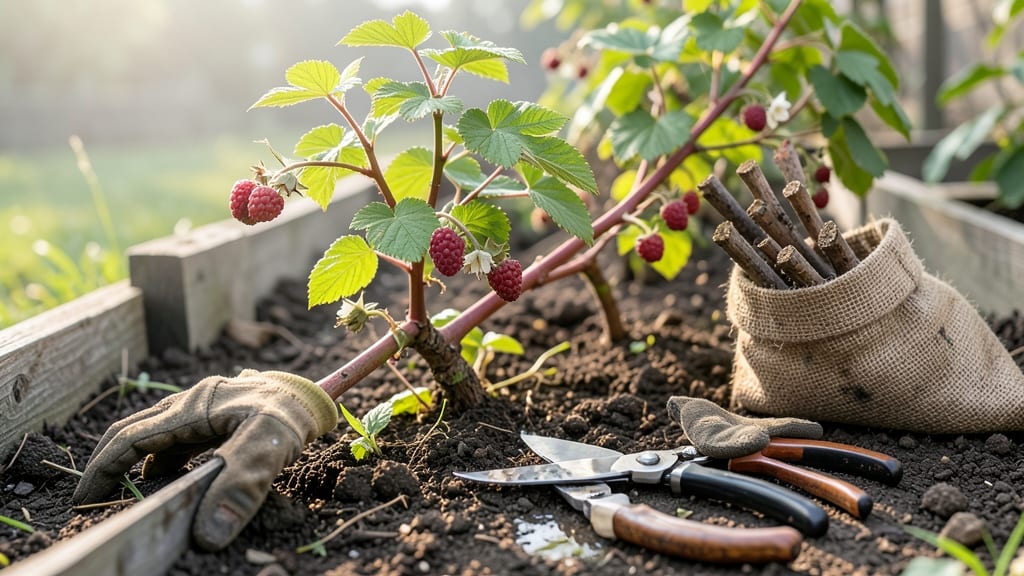
Pruning red raspberries transforms a tangled mess into a bushier, more productive thicket that rewards you with bigger harvests. ✂️ Last summer, my raspberry patch was a jungle of tangled canes—until I learned the simple rules that turn chaos into order. The key?
Knowing when to cut, what to cut, and why every snip matters for next year's fruit. Most gardeners prune once in winter, but red raspberries need two pruning sessions—once in late winter and again in summer—to keep them healthy.
You'll need sharp loppers, gloves, and about 30 minutes of focused work. The goal is to remove old canes, open up the center for airflow, and encourage new growth where it matters most. By summer's end, you'll see strong, upright canes loaded with fruit instead of weak, sprawling branches.
The berries grow larger, ripen faster, and the plants resist disease better. Plus, harvesting becomes a breeze when the canes are well-spaced and easy to reach. Works for both summer-bearing and fall-bearing varieties, and adapts to small home gardens or large commercial plantings. Let's get those canes in shape!
📚 In This Guide
- What you need
- Instructions
- Tips and common mistakes
- Wrapping up and next steps
What you need
- ● Pruning shears: Sharp, bypass-style shears (4-6” blade length) for clean cuts. Dull blades crush stems—avoid this!
- ● Loppers: For thicker canes (1-2” diameter), with a longer handle (24-36”) for leverage.
- ● Gloves: Heavy-duty, gardening gloves (waterproof, with grip) to protect against thorns and dirt.
- ● Disinfectant: Rubbing alcohol (70%+) or bleach solution (1:9 bleach:water) to sterilize tools between cuts.
- ● Bucket or bag: For collecting pruned canes (5-gallon bucket or sturdy trash bag).
- ○ Garden twine or labels: (Optional) To mark newly planted canes or sections for future reference.
- ● Weather check: Prune on a dry, overcast day (avoid midday sun to reduce plant stress).
- ● Safety gear: Long sleeves/pants and closed-toe shoes to shield from thorns.
- ○ Compost bin: (Optional) For repurposing pruned canes as mulch or compost.
- ○ Pruning guide: (Optional) Print or reference a raspberry pruning chart to visualize cane types (primocanes vs. floricanes).
Instructions for pruning red raspberries: year-round tricks for bushier growth
Here's the precise method I use to keep my red raspberry canes vigorous and productive—no guesswork, just science-backed timing and technique.
✂️ Step 1: Identify Canes and Prune in Late Winter
Red raspberries have two types of canes: floricanes (last year's growth that bore fruit) and primocanes (current year's growth). In late winter, when plants are dormant, cut out all dead, diseased, or weak canes at the base. These are easy to spot—they're brown, brittle, or completely devoid of buds.
Next, remove all floricanes that produced fruit last season. These canes are thinner, woody, and often have remnants of last year's fruit. Cut them down to the ground immediately after identifying them. This might seem harsh, but it's essential for redirecting the plant's energy into new, productive growth.
I like to use clean, sharp pruners to make a clean cut just above a bud or lateral branch. This prevents the plant from wasting energy trying to heal ragged wounds. If you're unsure which canes to remove, look for the thicker, more robust primocanes—they'll be the backbone of this year's harvest.
✂️ Step 2: Thin Primocanes in Early Spring
Once new growth begins in early spring, focus on thinning the primocanes. Aim to leave 6-8 of the strongest, healthiest canes per plant. These are the canes that emerged last summer and will bear fruit next year. Thin by cutting the weaker canes at the base, ensuring you leave enough space between remaining canes for airflow.
Here's the thing—red raspberries can get crowded quickly. If you leave too many canes, they'll compete for nutrients, resulting in smaller berries and weaker plants. You'll know you've thinned correctly when you can easily run your hand between the canes without resistance.
While thinning, keep an eye out for any canes that are growing at odd angles or rubbing against each other. These should be pruned back to encourage upright, healthy growth. This step is all about setting the stage for a strong, productive season.
☀️ Step 3: Summer Pruning to Encourage Bushiness and Blooms
During the growing season, prune to encourage bushiness and more blooms. In early summer, remove any suckers that emerge from the base of the plant. These are the thin, vigorous shoots that grow outward from the crown. While they might look like extra canes, they drain energy from the main plant and reduce fruit production.
Next, look for any side shoots that are growing inward toward the center of the plant. These can block sunlight and airflow, creating a perfect environment for disease. Pinch off these shoots with your fingers or prune them back to an outward-facing bud. This keeps the plant open and healthy.
Finally, watch for any canes that are growing too tall or leggy. You can trim the tips of these canes to encourage branching. This is where you'll see the most immediate results—more lateral branches mean more flower clusters, which means more berries. Think of it as training the plant to grow in a way that maximizes fruit production.
✂️ Step 4: Post-Harvest Cleanup in Late Summer
After harvesting, give your raspberries a final prune to tidy up and prepare for next year. Remove any diseased or damaged canes, as well as any canes that produced fruit this season. These are the floricanes, and they've served their purpose. Cut them out completely to make room for new growth.
Now's also the time to prune back any overly vigorous primocanes that are growing too tall or sprawling. Trim them back by about one-third to encourage bushier growth. This is especially important if you're in a region with harsh winters—the shorter canes are less likely to be damaged by frost.
Finish up by removing any dead or dying leaves, as well as any weeds growing at the base of the plant. A clean, weed-free area reduces the risk of disease and pests. This final cleanup ensures your raspberries go into dormancy strong and healthy, ready to burst into growth next spring.
Tips & tricks for pruning red raspberries
These precision techniques will help you transform your raspberry patch into a thriving, high-yielding garden—no more guesswork, just science-backed results.
Timing Secret: Late winter pruning (when plants are fully dormant) is critical because it prevents sap flow and minimizes stress. I've found that pruning too early can stimulate premature growth, while waiting until buds swell risks damaging emerging canes. Look for a day when temperatures are consistently below freezing at night—this ensures the plant is truly dormant.
Tool Technique: Never use dull pruners—they crush stems instead of making clean cuts. Invest in bypass pruners with sharp, stainless steel blades. I sterilize mine with rubbing alcohol between cuts to prevent spreading disease from one cane to another. A clean cut heals faster and directs the plant's energy more efficiently toward new growth.
Visual Identification: The key to successful pruning is distinguishing between floricanes and primocanes. Floricanes (last year's canes) are thinner, often have remnants of last year's fruit, and grow outward from the center. Primocanes (this year's canes) are thicker, more upright, and emerge from the base. If you're still unsure, look for the telltale "cane crown" at the base—primocanes will have a cluster of buds at the base where they emerge.
Seasonal Maintenance: During summer pruning, don't remove more than one-third of the plant's foliage at once. This prevents shock and allows the plant to continue photosynthesizing. I've learned this the hard way—over-pruning in summer can stress the plant just as it's trying to set fruit for next year. Focus on removing only the suckers, inward-growing shoots, and leggy tips as specified in Step 3.
Pro Tips for Pruning Red Raspberries
- These precision techniques will help you transform your raspberry patch into a thriving, high-yielding garden—no more guesswork, just science-backed results.
- Timing Secret: Late winter pruning (when plants are fully dormant) is critical because it prevents sap flow and minimizes stress.
- Tool Technique: Never use dull pruners—they crush stems instead of making clean cuts.
Frequently asked questions
about pruning red raspberries—your quick guide to solving common concerns!When is the best time to prune red raspberries?
For summer-bearing varieties, prune in late winter or early spring (before new growth starts). Fall-bearing types need pruning right after harvest—remove old canes but leave new ones for next year’s fruit. Always prune when the ground isn’t frozen!
Do I need special tools to prune raspberries?
Basic tools like clean, sharp pruners or loppers work great! Avoid dull blades—they crush canes instead of cutting cleanly. Disinfect tools with rubbing alcohol between cuts to prevent disease spread. Optional: Wear gloves to avoid thorns!
What if I skip pruning—will my raspberries still grow?
Yes, but expect fewer berries and weaker canes. Pruning boosts airflow, reduces pests, and directs energy to fruit production. Unpruned bushes may get overcrowded, leading to smaller harvests. Think of it like a haircut—less effort, better results!
How do I tell the difference between old and new canes?
Old canes are wooden, gray, and hollow (no green bark). New canes are green, flexible, and have smooth bark. Summer-bearing types only fruit on 2nd-year canes, so remove old ones after harvest. Fall-bearing types fruit on both old and new canes!
What if my raspberries get diseased after pruning?
If you spot spots, mold, or wilting, act fast! Remove infected canes immediately and sterilize tools. Improve airflow by thinning canes, and avoid overhead watering. Prevention tip: Mulch with straw to reduce soil splatter on leaves!
Wrapping up and next steps
Pruning red raspberries doesn’t have to be intimidating—it’s all about timing, technique, and consistency. 🌱 By following seasonal guidelines and keeping your tools sharp, you’ll reward yourself with healthier bushes, bigger yields, and fewer pests.
Start small if you’re new, and soon, you’ll master the art of shaping your raspberry patch like a pro!
Ready to take the next step? Grab your pruners and schedule your first pruning session—your future harvest (and your raspberry bushes!) will thank you. Happy pruning!