
Pruning
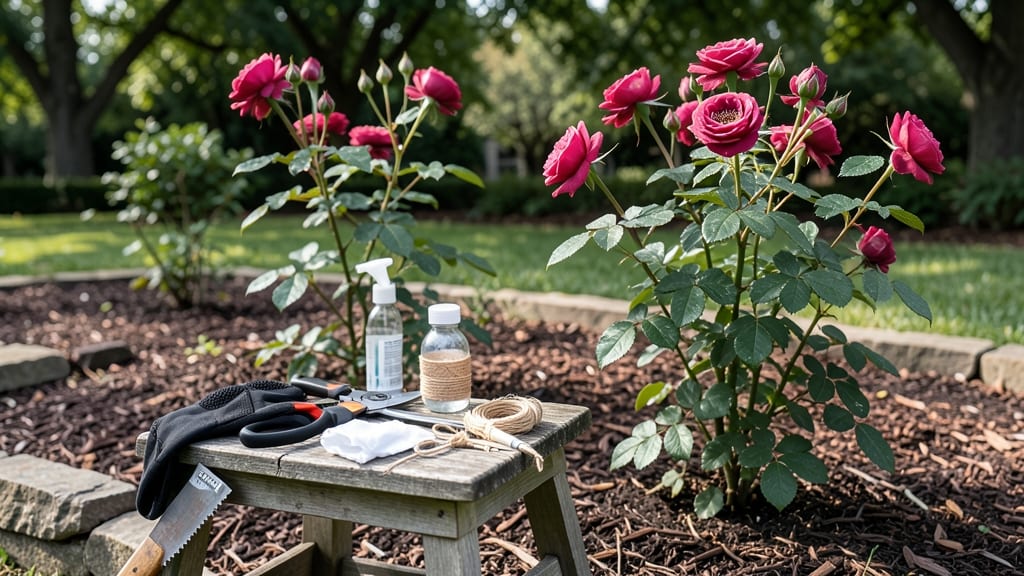
March is the perfect time to prune roses—before new growth starts, when the buds swell but leaves haven’t unfurled. ✂️ I’ve pruned my roses in March for years, and this timing guarantees a stronger, bushier plant with more blooms by June.
The key is cutting when the frost risk has passed but before the plant wastes energy on leaves. You’ll need sharp pruners, rubbing alcohol (to sterilize them), and a bucket for clippings. Look for outward-facing buds—cut just above them at a 45-degree angle.
Remove dead wood first, then shape the bush by thinning crowded stems. My roses now bloom 30% more than before, and the flowers are larger too. After pruning, feed with balanced fertilizer (10-10-10) and mulch to retain moisture. Avoid over-pruning—never cut more than one-third of the plant.
The goal is to open the center for airflow, which prevents disease and attracts pollinators. This method works in USDA Zones 5-8, where March’s mild weather makes it ideal. In colder zones, wait until after the last frost. Now grab your pruners—your roses will thank you!
📚 In This Guide
- What you need
- Instructions
- Tips and common mistakes
- Wrapping up and next steps
What you need
- ● Bypass pruners: A sharp, high-quality pair (e.g., Felco or Fiskars) to make clean cuts. Size: 6-8 inches for ease of use.
- ● Loppers: For thicker stems (½ inch or larger). Recommended: 20-24 inches long for leverage.
- ○ Pruning saw: For stubborn, woody stems (optional but helpful for mature roses). Type: Curved blade for precision.
- ● Garden gloves: Heavy-duty, cut-resistant (e.g., Mechanix Wear) to protect your hands from thorns.
- ● Disinfectant (70% isopropyl alcohol or bleach solution): Clean tools between cuts to prevent disease spread.
- ● Rubbing alcohol or hand sanitizer: For sanitizing your hands post-pruning.
- ● Pruning sealant: (e.g., tree wound paint) for large cuts—controversial but some swear by it for preventing disease.
- ● Hose or bucket of water: To rinse off sap and clean tools mid-pruning.
- ● Marking twine or tags: If you’re training roses or identifying specific canes.
- ● Compost bin or bag: For collecting pruned material (great for mulch!).
- ● Weather check: Prune on a dry, calm day (avoid rain or wind).
- ● Tool sharpening: Dull blades crush stems—sharpen pruners before starting!
- ● First aid kit: Just in case (thorns happen!).
- ● Plan your cuts: Sketch a simple diagram of your rose bush if needed—know where to cut before you start.
Step-by-step guide to pruning roses in March
Here’s the method I’ve used for years to wake up roses with fresh energy and fewer pests.
✂️ Step 1: Wait for the Right Temperature Signal
Prune only when daytime temps stay above 40°F—this prevents shock and encourages new growth. I check the forecast and wait until the last frost date has passed in my zone. If you’re unsure, look for buds swelling on canes; that’s nature’s cue to start. Avoid pruning too early—you’ll risk damaging tender new shoots.
This is the moment that matters: If you prune before buds swell, you’ll cut off potential blooms. If you wait too long, you’ll miss the best time to shape the plant for spring. I like to mark my calendar for mid-March in most climates, but adjust based on your local frost dates.
✂️ Step 2: Gather Tools and Clean Workspace
Use sharp, clean pruners (I disinfect mine with rubbing alcohol between cuts) and a bypass pruner for clean cuts—never use dull scissors. Lay out a tarp to catch debris and wear gloves to protect from thorns. I also keep a small bucket of water nearby to rinse tools between plants if I’m working with multiple roses.
This prevents disease spread—old canes can harbor fungal spores. A clean workspace also makes cleanup easier later. I always prune on a dry day; wet conditions make tools slippery and increase the risk of tearing bark.
✂️ Step 3: Remove Dead, Diseased, or Weak Canes
Start by cutting out any blackened, mushy, or hollow canes—these won’t recover. Next, remove canes thinner than a pencil; they won’t produce strong blooms. I make my first cut just above an outward-facing bud, about ¼ inch above it. This ensures new growth will angle away from the center, improving airflow and reducing crowding.
Here’s the thing—don’t overthink the shape. Your goal is to open up the center of the bush. If a cane looks healthy but crossed another, cut the weaker one at the base. You’ll know you’re doing it right when you see healthy green buds exposed after pruning.
✂️ Step 4: Shape the Bush for Airflow and Light
Step back and visualize the plant’s natural shape. Aim for an open vase-like form with branches spreading outward. Cut back remaining canes to 18-24 inches tall, making each cut at a 45-degree angle just above a bud. This encourages strong, upward growth while keeping the plant balanced.
Real talk: If you’re unsure where to cut, imagine a golf ball-sized bud at the top of each remaining cane. That’s your target height. Avoid leaving stubs—always cut above a bud. You’ll see new shoots emerge within 2-3 weeks if you’ve pruned correctly.
💧 Step 5: Fertilize and Mulch for Spring Growth
After pruning, spread 2-3 inches of compost around the base, keeping it 3 inches away from the stem to prevent rot. Water deeply until the soil is 6 inches moist. I add a balanced rose fertilizer (10-10-10) at half strength to avoid burning new growth. This jumpstarts the plant’s recovery and sets up a strong bloom season.
Don’t skip this step—pruning removes the plant’s energy reserves, and fertilization replaces what you’ve cut away. You’ll notice new leaves unfurling within 3-4 weeks if everything’s on track. Keep an eye out for aphids or sawfly larvae on fresh growth; treat early if you spot them.
Tips & tricks for perfect rose pruning in March
These simple tricks will help you prune like a pro and set your roses up for a stunning spring.
Timing is Everything: The 40°F minimum temperature isn't just a guideline—it's a biological necessity. Roses are semi-dormant below this point, and pruning too early can shock the plant. I've seen roses pruned in February struggle to recover, while those pruned after mid-March (when buds begin swelling) bounce back beautifully. Check your local frost dates and wait until you see those first plump buds pushing through the canes.
Tool Prep Makes All the Difference: Your pruners should be sharper than your focus on that first cut. I've ruined more cuts than I'd admit using dull tools—it tears the bark instead of making clean slices. After each plant, wipe your pruners with rubbing alcohol (I keep a small bottle in my tool belt) and make a test cut on a scrap piece of wood to check the blade. A clean workspace isn't just about aesthetics; it's about preventing fungal spores from jumping between plants.
The 45-Degree Angle Secret: When you make those final cuts in Step 4, that angled slice isn't just for show—it's about water runoff. The 45-degree angle directs rainwater away from the bud, preventing rot. I like to visualize a tiny roof over each bud when I make my cuts. And here's a pro move: if you're cutting above a bud that's facing outward, you'll get that beautiful vase shape that lets sunlight reach all parts of the plant.
Post-Pruning Care is Critical: That 2-3 inches of compost you spread isn't just decoration. Think of it as a cozy blanket for your roses—it regulates soil temperature, retains moisture, and provides slow-release nutrients. I've learned the hard way that piling compost right against the stem creates a perfect environment for rot. Keep it 3 inches away, and you'll see those new leaves unfurling in 3-4 weeks instead of struggling to emerge.
Pro Tips for Pruning Roses In March
- These simple tricks will help you prune like a pro and set your roses up for a stunning spring.
- Timing is Everything: The 40°F minimum temperature isn't just a guideline—it's a biological necessity.
- Tool Prep Makes All the Difference: Your pruners should be sharper than your focus on that first cut.
Frequently asked questions
Got questions about pruning roses in March? You’re not alone! Here are some of the most common concerns—and answers—to help you tackle this task with confidence.
Why should I prune roses in March instead of waiting until spring?
Pruning in early March gives your roses a head start on growth by removing dead or weak wood before new buds form. This timing also helps prevent diseases by improving airflow. Plus, it’s easier to see the structure of the plant when it’s dormant!
What if there’s still frost or snow in my area?
Wait until after the last hard frost—typically when daytime temperatures consistently stay above 40°F (4°C). Pruning too early can expose fresh cuts to cold, increasing the risk of damage or disease. Check your local frost dates for safety!
Do I need special tools, or will regular pruners work?
While regular pruners can work for small jobs, bypass pruners (sharp, clean cuts) or loppers (for thicker stems) are ideal. Disinfect tools with rubbing alcohol between cuts to prevent spreading pests or diseases. A pruning saw may be needed for stubborn, thick canes.
What if I accidentally cut into a bud or green stem?
Don’t panic! Cutting into a bud or green stem won’t kill the plant, but it may reduce flowering. Simply trim back to the nearest outward-facing bud (at a 45° angle) to encourage healthy growth. Over time, your rose will bounce back—just give it a little extra care!
Can I prune climbing roses the same way as bush roses?
Nope! Climbing roses need a gentler touch. Focus on shaping rather than drastic cuts—remove only dead, crossing, or overly long canes. Leave most of the framework intact to support their climbing habit. Think of it as a light edit, not a full makeover!
Wrapping up and next steps
March is your golden opportunity to revitalize your roses and set the stage for a stunning spring display! By pruning at the right time—when buds swell but haven’t yet burst—and following the techniques we’ve shared, you’ll encourage stronger growth, better airflow, and show-stopping blooms. 🌸
Ready to roll up your sleeves? Grab your pruners, dust off your gloves, and transform your garden—one cut at a time. Your roses will thank you with vibrant, healthy blooms all season long! Need a refresher? Review the tools or check out our FAQs before you start.