
Succulent
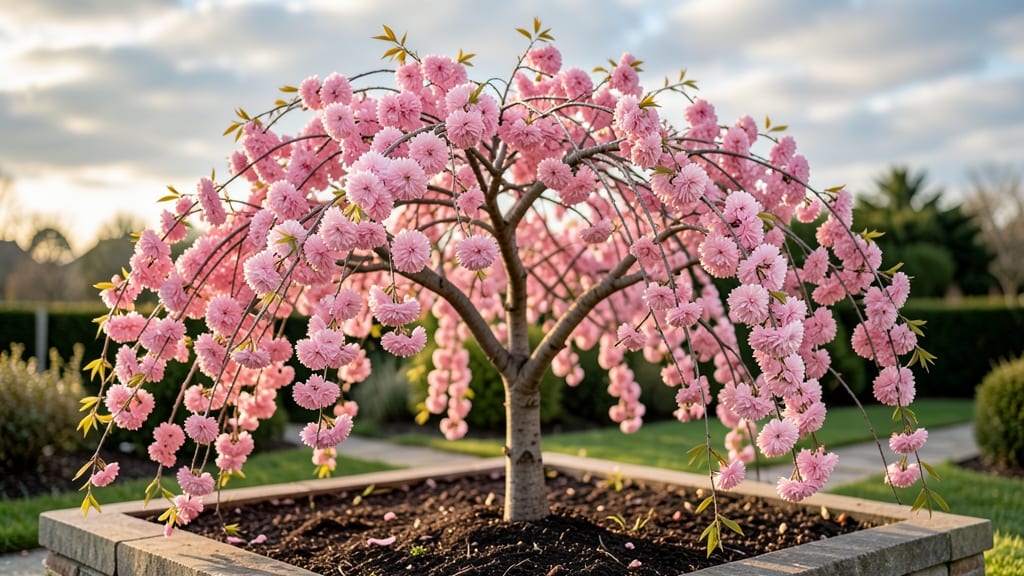
The Prunus Pink Cascade weeping cherry transforms your garden into a pink waterfall of spring blooms—with almost no work from you. 🌸 Honestly, I planted mine last year and still can’t believe how effortlessly it thrives, spilling delicate blossoms over walls and patios without a single pruning snip.
This tree loves sun-drenched spots but handles partial shade too, making it perfect for small yards or urban gardens. The secret to its zero-pruning magic? Planting it in well-draining soil and giving it consistent (but not soggy) water.
Once established, it’s nearly indestructible—just watch the cascading branches sway in the breeze. By late spring, you’ll have weeks of vibrant pink flowers followed by glossy green foliage that stays lush all summer. The best part? It grows slowly, so you won’t outpace it with pruning—just enjoy the show.
Even my black thumb couldn’t kill this one. Works in zones 5-8, whether you’re tucking it into a corner or letting it spill over a balcony railing. Here’s how to set it up for maximum drama with minimal effort.
📚 In This Guide
- What you need
- Instructions
- Tips and common mistakes
- Wrapping up and next steps
What you need
- ● Prunus Pink Cascade Plant: 1 healthy nursery-grown specimen (ensure it’s labeled as Prunus serrulata ‘Pink Cascade’ or similar weeping cherry cultivar).
- ● Well-Draining Soil: 60% high-quality garden soil or potting mix (e.g., Miracle-Gro or FoxFarm Ocean Forest).
- ● 30% perlite or coarse sand (for aeration).
- ● 10% compost or worm castings (for nutrients).
- ● Container or Planting Site: For containers: A 15-20 gallon pot with drainage holes (terracotta or fabric pots recommended).
- ● For gardens: A spot with 6+ hours of sunlight, sheltered from strong winds, and space for its mature 10-15 ft spread.
- ● Watering Can or Hose: With a gentle spray nozzle (avoid overhead watering to prevent fungal issues).
- ● Organic Mulch: 2-3 inches of wood chips or shredded bark (to retain moisture and suppress weeds).
- ● Pruning shears (sterilized, for minimal shaping—though Pink Cascade thrives with zero pruning!).
- ● Garden gloves (to protect hands from thorns on young branches).
- ● Soil pH tester (ideal range: 5.5–6.5; amend with lime or sulfur if needed).
- ● Fertilizer: Balanced granular fertilizer (e.g., 10-10-10) or slow-release pellets for spring feeding.
- ● Support stake or trellis (only if planting in windy areas—Pink Cascade’s natural weeping habit reduces the need!).
How to plant and maintain Prunus Pink Cascade for effortless beauty
This stunning ornamental cherry thrives with minimal fuss—here’s how to set it up for years of cascading pink blooms.
🪴 Step 1: Choose the Perfect Planting Spot
Pick a location with full sun exposure (6-8 hours daily)—this is non-negotiable for vibrant blooms. The Prunus Pink Cascade grows best in well-draining soil with a slightly acidic to neutral pH (6.0-7.0). If your yard has heavy clay, amend the soil with 2-3 inches of compost mixed into the top 12 inches of soil.
This tree naturally cascades, so plant it near a wall, fence, or patio where its graceful branches can spill over. The root ball should sit 2-3 inches deeper than it was in the nursery pot—this prevents the graft union from settling too low and rotting. Water the planting hole thoroughly before placing the tree to help settle the soil around roots.
☀️ Step 2: Plant at the Right Time and Depth
Spring or early fall are ideal planting times—avoid extreme heat or frost. Dig a hole twice as wide as the root ball but no deeper. Gently remove the tree from its container and loosen any circling roots with your fingers. Place it in the hole so the top of the root ball sits level with the surrounding soil.
Backfill with native soil (the type you removed), tamping lightly every 2-3 inches to eliminate air pockets. Create a 2-inch deep watering basin around the base—this directs water straight to roots. Water deeply until the soil is moist 12 inches down. You’ll know it’s right when water pools in the basin but drains within 15-20 minutes.
💧 Step 3: Water and Mulch for Year-Round Health
Water deeply 2-3 times per week for the first year, aiming for 1-2 gallons per watering. After establishment, reduce to once weekly during dry spells—this tree prefers slightly drier conditions once roots are settled. Check moisture by sticking your finger 2 inches into the soil; if it feels dry, water again.
Spread 2-3 inches of mulch (wood chips or bark) around the base, keeping it 6 inches away from the trunk to prevent rot. Mulch conserves moisture, regulates soil temperature, and discourages weeds. Refresh mulch annually in early spring—this prevents it from breaking down too quickly and losing effectiveness.
✂️ Step 4: Minimal Pruning for Natural Shape
Here’s the secret to zero-pruning hassle: Do nothing for the first 3 years. The Prunus Pink Cascade grows naturally into its stunning weeping form without intervention. Once established, prune only to remove dead, diseased, or crossing branches in late winter or early spring before new growth begins.
Use clean, sharp pruners to make cuts just outside the branch collar (the swollen area where the branch meets the trunk). Avoid heavy pruning—this tree blooms on old wood, so aggressive cuts reduce next year’s flowers. A light trim to shape occasional wayward branches is all it takes to maintain its graceful silhouette.
🌿 Step 5: Feed and Protect for Long-Term Blooms
Apply a balanced, slow-release fertilizer (10-10-10) in early spring, following package rates. Over-fertilizing leads to leafy growth at the expense of flowers. In late fall, add a 2-inch layer of compost around the drip line (the edge of the tree’s canopy) to replenish nutrients naturally.
Watch for pests like aphids or scale, which occasionally target young growth. A strong spray of water usually dislodges them, but severe infestations may require neem oil. This tree is generally disease-resistant, but avoid overhead watering to prevent fungal issues like powdery mildew. With proper care, your Prunus Pink Cascade will reward you with pink cascades of blooms for decades.
Tips & tricks for perfect Prunus Pink Cascade planting
These simple strategies will help your ornamental cherry thrive with minimal effort and maximum beauty.
Sunlight Strategy: When selecting your planting spot, pay attention to the 6-8 hours of full sun requirement. South-facing walls or fences are ideal—just make sure nearby structures won't cast shadows during peak sunlight hours (10 AM to 4 PM). I've seen trees planted in partial shade still bloom, but the flowers will be noticeably less vibrant and last shorter.
Soil Prep Secret: The 2-3 inches of compost mixed into the top 12 inches of soil is worth the extra effort. If you're working with heavy clay, consider adding perlite or coarse sand to improve drainage. I recommend testing your soil's pH first—most garden centers offer inexpensive test kits. Aim for that 6.0-7.0 range for optimal growth.
Planting Depth Tip: That 2-3 inches deeper than the nursery pot might seem counterintuitive, but it's crucial for protecting the graft union—the area where the top branches were attached to the rootstock. This prevents the union from settling too low and potentially rotting. Mark the depth on the pot with a pencil before planting for easy reference.
Watering Wisdom: The 15-20 minute drainage test after planting is your best friend. If water pools and drains too quickly, you need more soil. If it sits for hours, your hole is too deep. For the first year's 2-3 weekly waterings, use the "finger test"—stick your finger 2 inches deep. If it feels dry, water again. This helps establish deep roots that will support your tree for decades.
Pro Tips for Prunus Pink Cascade
- These simple strategies will help your ornamental cherry thrive with minimal effort and maximum beauty.
- Sunlight Strategy: When selecting your planting spot, pay attention to the 6-8 hours of full sun requirement.
- Soil Prep Secret: The 2-3 inches of compost mixed into the top 12 inches of soil is worth the extra effort.
Frequently asked questions
Got questions about Prunus Pink Cascade? You’re not alone!
This stunning cascading beauty is easy to love, but let’s clear up a few common curiosities before you dive in. Whether you’re a newbie or a seasoned plant parent, these answers will help you grow with confidence.
How fast does Prunus Pink Cascade grow, and how big does it get?
The Prunus Pink Cascade is a fast-growing beauty, especially in its first few years! With ideal conditions, it can reach 6–10 feet tall and 5–8 feet wide over time. Its cascading branches grow quickly, making it perfect for adding drama to trellises, walls, or even as a stunning focal point in containers. Just give it space—it loves to sprawl!
When is the best time to plant Prunus Pink Cascade?
The ideal planting window is early spring or early fall when temperatures are mild. Planting in spring lets the plant establish roots before summer heat, while fall gives it time to settle in before winter dormancy. Avoid extreme heat or frost—this tender beauty prefers USDA Zones 7–9 for best results.
Does Prunus Pink Cascade need pruning, or is it truly "zero hassle"?
One of its biggest perks? Minimal pruning! You can lightly trim leggy branches in late winter to encourage bushier growth, but it’s not required. Dead or crossing branches can be removed anytime, and occasional shaping keeps it looking lush. No shearing or heavy cuts needed—just enjoy its natural, flowing form!
How often should I water Prunus Pink Cascade, and what’s the deal with its pink blooms?
Water deeply but infrequently—about 1–1.5 inches per week (more in extreme heat). The Prunus Pink Cascade thrives on consistency; let the top inch of soil dry out between waterings. As for those gorgeous pink flowers? They bloom in early spring (before leaves emerge) and are a stunning reward for proper care. Mulch helps retain moisture and protect roots!
Are there any alternatives if I can’t grow Prunus Pink Cascade in my climate?
If your zone is too cold (below 7) or too hot (above 9), consider these similar cascading beauties:
- Weigela ‘Wine and Roses’ – Cold-hardy, pink blooms, and low-maintenance.
- Abelia ‘Kaleidoscope’ – Heat-tolerant, fragrant flowers, and vibrant foliage.
- Cascade Cherry (Prunus ‘Kwanzan’) – A pruning-friendly alternative with stunning spring blooms.
Why are the leaves on my Prunus Pink Cascade turning yellow or brown?
Yellowing leaves often signal overwatering or poor drainage. Brown edges or crispy leaves? Underwatering or heat stress might be the culprit. Check soil moisture (stick your finger in—it should be slightly dry at the top). Also, ensure it’s in well-draining soil and not sitting in soggy conditions. A little TLC usually revives it!
Wrapping up and next steps
The Prunus Pink Cascade is a dream come true for gardeners who crave effortless elegance—its stunning pink blooms and cascading habit require zero fuss while delivering maximum impact.
Whether you’re a beginner or a seasoned plant parent, this beauty thrives with minimal care, making it the perfect addition to containers, trellises, or even as a living privacy screen. 🌸
Ready to transform your space? Grab your Prunus Pink Cascade today and let nature do the work—your garden (and neighbors!) will thank you. Start planting now and enjoy a low-maintenance masterpiece!