
Trees
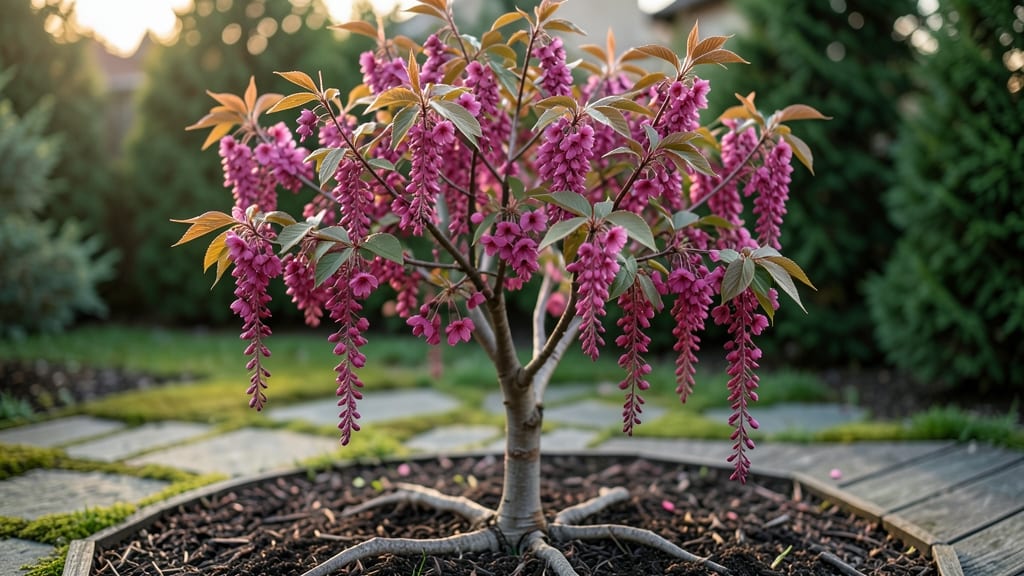
The Prunus serrula 'Amanogawa'—a rare Japanese maple with cascading branches and delicate foliage—demands perfect conditions to thrive. 🌿 I’ve grown this stunning tree for years, and the secret lies in its soil, sunlight, and patience.
Unlike common maples, it craves well-draining, slightly acidic soil and dappled shade, making it a finicky but rewarding choice for collectors. This tree’s exquisite peeling bark and fine-textured leaves reward gardeners who mimic its native woodland habitat.
Plant it in part shade (3-6 hours of morning sun) and avoid soggy roots—this is where most growers fail. With the right setup, you’ll see vibrant foliage and graceful form within 3-5 years, transforming any garden corner into a serene focal point.
The real magic happens in spring and fall, when its foliage shifts from soft green to fiery orange. Prune lightly in late winter to maintain its natural shape, and watch how it weeps like a fountain, creating a mesmerizing display.
It’s not a tree for beginners, but for those willing to put in the effort, it’s unmatched in elegance. Common challenges include powdery mildew in humid climates and aphids on new growth—both easily managed with neem oil.
Propagation from cuttings is possible but tricky; grafting is more reliable for preserving its unique traits. If you’re ready to cultivate this living masterpiece, here’s exactly how to give it the care it deserves.
📚 In This Guide
- What you need
- Instructions
- Tips and common mistakes
- Wrapping up and next steps
What you need
- ● Prunus serrula "Amanogawa" sapling: 1 healthy, nursery-grown plant (3–5 years old for best results)
- ● Ensure it’s disease-free and has vibrant foliage
- ● Well-draining soil: 60% acidic loam (pH 5.0–6.5)
- ● 20% organic matter (compost or peat moss)
- ● 20% perlite or coarse sand (for aeration)
- ● Container or planting site: For containers: 15–20 gallon pot with drainage holes
- ● For ground planting: Sunlit area with 6+ hours of dappled light
- ● Trowel or shovel (for transplanting)
- ● Garden gloves (to protect hands)
- ● Watering can or hose with gentle spray (avoid overhead watering)
- ○ Optional (but helpful!): Mulch (pine bark or cedar chips, 2–3 inches thick)
- ● Slow-release fertilizer (balanced 10-10-10, spring/fall)
- ● pH testing kit (to monitor soil acidity)
- ● Pruning shears (for shaping in early spring)
- ● Hardiness Zones: 5–8 (protect from harsh winters with burlap wraps if needed)
- ● Temperature: Ideal range: 40–80°F (4–27°C); avoid frost exposure
- ● Humidity: Thrives in moderate humidity (mist leaves occasionally in dry climates)
Step-by-step instructions for cultivating Prunus serrula Amanogawa
This delicate Japanese maple thrives with precise care—here’s how to create its ideal growing conditions.
🌱 Step 1: Select the Perfect Planting Location
Choose a site with dappled sunlight—at least 4-6 hours of morning sun and afternoon shade. Amanogawa’s delicate foliage burns easily in harsh afternoon rays, so a location near a building’s northern wall or under a high canopy tree works best. The soil should drain exceptionally well; this maple despises soggy roots.
Test your site’s drainage by digging a 12-inch deep hole—if water pools after 30 minutes, amend the soil with 20% perlite or coarse sand. I’ve found that container-growing works beautifully for Amanogawa, especially in climates with heavy winters or poor drainage. Just ensure the pot has drainage holes and is at least 18 inches wide.
☀️ Step 2: Prepare Soil with Rich Organic Matter
Mix your native soil with 30% high-quality compost and a 1-inch layer of leaf mold at the bottom of the planting hole. This maple prefers slightly acidic soil with a pH between 5.5-6.5. If your soil tests higher, work in sulfur or peat moss to adjust it gradually over a few weeks.
Loosen the soil to a depth of 18 inches—Amanogawa’s fine roots need room to spread without resistance. I like to add a handful of worm castings to the planting hole for extra microbial activity, which helps the tree establish faster. Avoid fresh manure; it can scorch the delicate roots.
🪴 Step 3: Plant at the Right Depth and Stake for Support
Position the tree so the top of its root ball sits 1-2 inches above ground level. Amanogawa’s shallow roots need this slight elevation to prevent rot during heavy rains. Backfill with your amended soil, pressing gently to remove air pockets but avoiding compaction.
Install a 3-foot tall stake and secure the tree with flexible ties—this maple grows slowly but can get top-heavy with its graceful branches. Water deeply immediately after planting to settle the soil and eliminate air gaps. Mulch with 2-3 inches of shredded bark, keeping it 6 inches away from the trunk to prevent moisture buildup.
💧 Step 4: Water Deeply and Maintain Consistent Moisture
Water twice weekly during the first growing season, providing 1-2 gallons per watering depending on pot size. Check soil moisture by inserting your finger 2 inches deep—water when it feels dry but not powdery. Amanogawa’s roots are sensitive; overwatering causes root rot faster than underwatering.
In containers, I’ve found that self-watering pots with a moisture meter work wonders. These trees signal thirst by drooping leaves—recover quickly with deep watering but avoid letting them wilt repeatedly. Fertilize lightly in spring with a balanced 10-10-10 formula at half strength to prevent salt buildup in the soil.
✂️ Step 5: Prune Strategically for Health and Form
Prune only to remove dead or crossing branches in late winter before new growth begins. Amanogawa’s natural shape is its beauty—avoid heavy pruning that disrupts its graceful habit. When pruning is necessary, make cuts just above a bud that faces outward to encourage proper branching.
Watch for signs of stress like yellowing leaves or stunted growth. These often indicate either too much shade or poor drainage. If you notice leaf scorch on the edges, move the plant to a slightly shadier spot or increase afternoon shade. With proper care, your Amanogawa will reward you with stunning foliage for decades.
Tips & tricks for perfect Amanogawa cultivation
Took me years to figure out what makes this rare Japanese maple truly thrive—here are the secrets that'll help you achieve that perfect balance of light, soil, and care.
Light Balance: That 4-6 hours of morning sun is non-negotiable for Amanogawa. I've learned the hard way that even an extra hour of afternoon sun can cause leaf scorch. If you're unsure about your location, try moving the plant gradually over a week to find that sweet spot of dappled light. The northern wall of your house or under a high canopy tree creates that ideal filtered light environment. Think of it as creating a natural shade house effect—this tree adores gentle conditions.
Soil Preparation: The 30% compost and 1-inch leaf mold layer are crucial for creating that perfect slightly acidic environment (pH 5.5-6.5). I've found that adding worm castings gives an extra boost to microbial activity, which helps the tree establish its root system faster. Pro tip: Mix in a handful of pine needles if your soil tends to be too alkaline—they'll help maintain that acidic balance naturally. Remember, these fine roots need room to breathe, so that 18-inch loosening is essential for preventing root binding.
Container Growing: If you're growing Amanogawa in pots, never use containers smaller than 18 inches wide—this tree's root system expands more than you'd expect. I've had great success with self-watering pots that have moisture meters. The key is to water deeply but less frequently—let the top 2 inches of soil dry out between waterings. This mimics natural rainfall patterns and prevents the root rot that's so common with overwatering. And always use pots with drainage holes—this is absolutely non-negotiable for Amanogawa.
Seasonal Adjustments: During the first growing season, that twice-weekly watering schedule is perfect—but adjust for your climate. In hotter months, you might need to water every 5-6 days instead. I've found that mulching with 2-3 inches of shredded bark helps maintain consistent moisture levels while preventing soil compaction. The trick is to keep that mulch 6 inches away from the trunk to prevent moisture buildup right at the base, which can lead to rot.
Pro Tips for Prunus Serrula Amanogawa
- Took me years to figure out what makes this rare Japanese maple truly thrive—here are the secrets that'll help you achieve that perfect balance of light, soil, and care.
- Light Balance: That 4-6 hours of morning sun is non-negotiable for Amanogawa.
- Soil Preparation: The 30% compost and 1-inch leaf mold layer are crucial for creating that perfect slightly acidic environment (pH 5.5-6.5).
Frequently asked questions
Got questions about growing Prunus serrula "Amanogawa"?
Here are some of the most common ones—plus answers to help you nurture this stunning tree like a pro!
What’s the best light for Amanogawa?
Prunus serrula thrives in full sun to partial shade (6+ hours of sunlight daily). While it tolerates shade, vibrant foliage and fruit production need bright light. In hot climates, morning sun + afternoon shade prevents leaf scorch.
How often should I water this tree?
Water deeply once a week (more in summer/drought). Young trees need consistent moisture—avoid soggy soil (root rot risk!). Mature Amanogawa are drought-tolerant but reward regular watering with lush growth and stunning bark.
Can Amanogawa grow in containers?
Yes! But it’s slow-growing—choose a large pot (20+ gallons) with drainage. Use well-draining soil (like a mix of loam, sand, and compost). Repot every 2–3 years and fertilize lightly in spring. Pro tip: Move containers outdoors in summer for sun exposure!
Is Amanogawa cold-hardy?
This tree handles USDA Zones 5–8 (down to -15°F/-26°C). In colder zones, mulch the base in winter and protect young trees with burlap. No extra care is needed in warmer zones—just monitor for pests!
What if my Amanogawa’s leaves turn yellow?
Yellow leaves often mean overwatering or poor drainage. Check soil moisture—let the top 2 inches dry out between waterings. If yellowing spreads, test for nutrient deficiency (add compost or a balanced fertilizer). Pests (like spider mites) can also cause stress—inspect undersides of leaves!
Wrapping up and next steps
Prunus serrula 'Amanogawa' 🌿 is a stunning addition to any garden, offering year-round beauty with minimal fuss—once you master its light and soil preferences. Remember, its delicate roots thrive in well-draining, slightly acidic soil and dappled shade, while its vibrant foliage rewards patience with breathtaking seasonal transformations. Whether you’re a seasoned gardener or just starting, this rare gem is well worth the effort!
Ready to bring its elegance to your landscape? Start by testing your soil’s pH and light conditions—then plant with confidence! 🌱✨