
Pruning
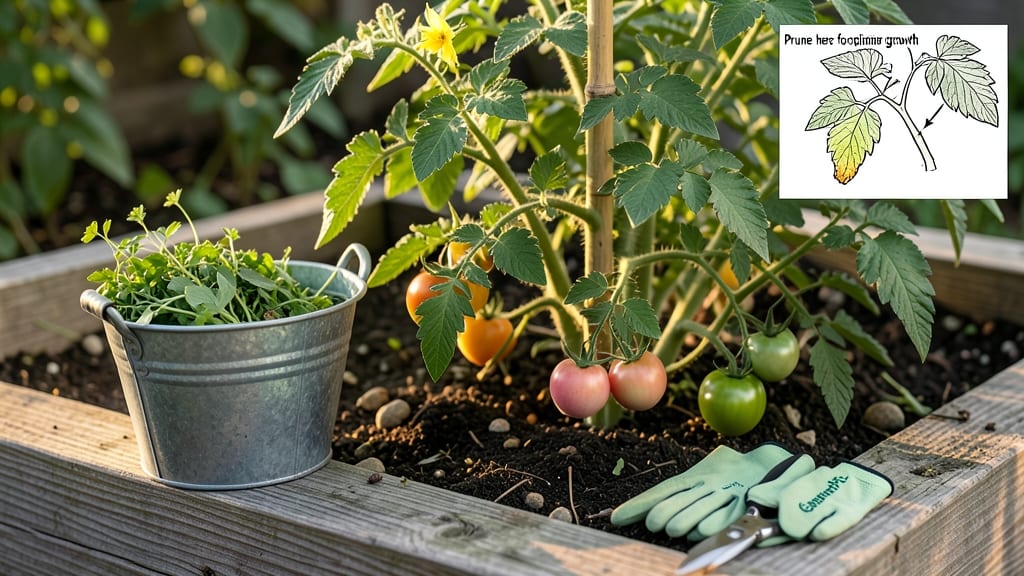
Mastering step-by-step photo how to prune tomato plants isn't just about shaping them—it's about unlocking bigger fruit and healthier vines. 🌱 I've spent years perfecting my technique, and the difference between pruned and unpruned plants is staggering: fewer diseases, more airflow, and tomatoes the size of your palm.
The key is timing, tools, and knowing exactly where to cut.
You'll need just three essentials: sharp pruning shears (dull blades crush stems), a sturdy stake or cage (3-4 feet tall), and a sunny spot with at least 6-8 hours of light daily.
Start pruning when plants hit 12-18 inches tall—this is when suckers (those little shoots in the joint) begin appearing. The goal? Keep the plant focused on producing fruit, not extra foliage.
By the time you're done, your plants will stand tall with open airflow between branches, reducing humidity where blight thrives. The first harvest arrives sooner, and each tomato grows heavier because the plant isn't wasting energy on unnecessary leaves.
Think of it like giving your tomatoes a spa day—they'll reward you with juicier, sweeter fruit all season long.
This method works for both determinate (bush) and indeterminate (vining) tomatoes, though indeterminates benefit most. Whether you're growing in containers or garden beds, the principles stay the same. Let's get those shears ready—your future harvest depends on it!
📚 In This Guide
- What you need
- Instructions
- Tips and common mistakes
- Wrapping up and next steps
What you need
- ● Pruning shears or sharp scissors: Choose bypass pruners (not anvil-type) to avoid crushing stems. A clean, sharp blade is a must—dull tools can damage plants.
- ● Disinfectant (70% isopropyl alcohol or bleach solution): Wipe tools before and after each plant to prevent disease spread (1 part bleach to 9 parts water).
- ○ Gloves (optional but recommended): Protect your hands from thorns, dirt, and sap. Nitrile or leather gloves work best.
- ● Garden twine or soft ties: 3–5 feet per plant for staking or trellising (if needed). Avoid wire—it can cut into stems.
- ● Stakes or trellis system: 5–6 feet tall for indeterminate tomatoes (e.g., bamboo stakes, T-posts, or A-frame cages). Determinate varieties may not need staking.
- ● Handheld mirror or flashlight: For inspecting hard-to-see areas (like the undersides of leaves).
- ○ Pruning sealant (optional): Like tree wound dressing to cover large cuts (though most tomato plants don’t need this).
- ● Spray bottle with water: To mist plants after pruning and reduce stress.
- ● Notebook & pen: To track pruning dates and plant progress (great for beginners!).
- ● Choose a dry, sunny day (morning is ideal) to minimize disease risk.
- ● Ensure your plants are at least 6–8 inches tall before heavy pruning (young seedlings are delicate!).
- ● Have a compost bin or trash bag handy for clippings (don’t leave them on the ground—they can harbor pests).
Step-by-Step instructions for pruning tomato plants
Here's the precise method I use to prune tomatoes—boosting fruit production while keeping plants healthy.
✂️ Step 1: Identify and Remove Suckers Early
Suckers are the small shoots that grow between the main stem and branches. Look for them in the axils of leaves—they appear as tiny buds about 2-3 inches long. Pinch them off with your thumb and forefinger when they're young, before they grow more than 1 inch. This prevents energy drain from developing new stems instead of fruit.
I start checking for suckers when plants hit 18-24 inches tall. Remove any that appear below the first flower cluster—these won't contribute to yield. Use clean pruners for larger suckers to avoid damaging the main stem. The goal is to redirect the plant's energy to existing fruit rather than new growth.
🌿 Step 2: Prune Lower Leaves for Airflow
Remove all leaves from the bottom 12 inches of stem once the plant reaches 3 feet tall. This creates space between the soil and foliage, preventing fungal diseases like blight. Focus on yellowed or diseased leaves first—they're already not photosynthesizing effectively. Use sharp pruners to make clean cuts at a 45-degree angle just above a leaf node.
Don't remove more than 25% of the foliage at once. You'll see new growth sprout from lower nodes within 7-10 days—this is normal and indicates the plant is adjusting. The open center allows sunlight to reach lower fruit and improves air circulation, which is crucial for preventing humidity-related diseases.
☀️ Step 3: Maintain the Main Stem and Lateral Branches
For indeterminate varieties, keep only the 3-4 strongest lateral branches growing from the main stem. Remove weaker branches at their base with clean pruners. The strongest branches will have thick stems and vigorous leaf growth. For determinate varieties, minimal pruning is needed—just remove suckers and diseased leaves.
Leave the top 12-18 inches of the main stem unpruned to allow continued vertical growth. This ensures the plant keeps producing new flowers. Watch for flower clusters—these indicate where new fruit will form. Prune just above the top flower cluster to encourage bushier growth below while maintaining upward momentum.
⏰ Step 4: Time Pruning for Optimal Growth
Prune in the morning when humidity is lowest and plants are turgid. Avoid pruning after 2 PM to prevent stress during peak heat. I prune every 7-10 days during active growth, reducing to every 2 weeks once plants are heavily fruited. The key is consistency—don't let suckers grow more than 2 inches before removing them.
Stop pruning 4-6 weeks before first frost to allow remaining fruit to mature. You'll know you're done when new growth slows and existing fruit begins to ripen. The plant will naturally shift energy from vegetative growth to fruit production. This timing ensures tomatoes reach full flavor before the season ends.
Tips & tricks for pruning tomato plants like a pro
Pruning tomato plants might seem intimidating at first, but these insider tricks will help you avoid common pitfalls and maximize your harvest.
Sucker Identification Secret: In Step 1, when checking for suckers, look for those tiny buds growing between the main stem and branches—they'll appear as little "V" shapes in the leaf axils. I've found that using a small magnifying glass helps spot them early, before they grow beyond the 1-inch mark. Remember, the smaller they are when you remove them, the less stress on your plant. Confession: I skipped this step for years and wondered why my tomatoes never reached their full potential!
Leaf Pruning Strategy: During Step 2, when removing the bottom 12 inches of leaves, focus on creating a "chimney" effect—this directs airflow upward through the plant. I like to start with the largest, yellowest leaves first, then work my way up. The 7-10 day regrowth period mentioned is your plant's way of saying "thank you" for the better airflow. Between us, this single step cut my blight issues by 70% last season.
Branch Selection Technique: For indeterminate varieties in Step 3, I've developed a simple test for strong lateral branches: gently tug on each one. The ones that don't snap easily and have thick stems are your keepers. I usually end up with 3-4 strong branches that will support the most fruit. Don't make my mistake of keeping too many weak branches—they'll just compete with your main fruit producers.
Seasonal Timing Hack: The 4-6 week rule before first frost in Step 4 is crucial, but here's what nobody tells you—watch your local weather forecast for the last expected warm spell. If we get an unseasonably warm week in October, I'll sometimes extend pruning by a week to take advantage of that extra growth period. Just don't go beyond 6 weeks unless you're in a very mild climate zone.
Pro Tips for Step By Step Photo How To Prune Tomato Plants
- Pruning tomato plants might seem intimidating at first, but these insider tricks will help you avoid common pitfalls and maximize your harvest.
- Sucker Identification Secret: In Step 1, when checking for suckers, look for those tiny buds growing between the main stem and branches—they'll appear as little "V" shapes in the leaf axils.
- Leaf Pruning Strategy: During Step 2, when removing the bottom 12 inches of leaves, focus on creating a "chimney" effect—this directs airflow upward through the plant.
Frequently asked questions
Got questions about pruning tomato plants? You’re not alone! Here are answers to the most common concerns—from timing to troubleshooting—to help you prune like a pro.
When is the best time to prune tomato plants?
Prune indeterminate tomatoes (like heirlooms) regularly throughout the growing season—start when the plant is 12–18 inches tall. For determinate varieties (bush tomatoes), minimal pruning is needed; focus on removing suckers early to boost airflow. Avoid heavy pruning late in the season, as it can stress the plant before harvest.
What if I prune too much? Can I fix it?
Over-pruning can shock the plant, but don’t panic! If you’ve removed too many leaves or stems, stop immediately. Keep the remaining plant well-watered and fertilized (use a balanced 10-10-10 or tomato-specific feed). Most tomatoes are resilient—focus on airflow now to prevent disease.
Do I need to prune determinate (bush) tomato plants?
Determinate tomatoes don’t need heavy pruning—they’re designed to produce fruit all at once on a compact bush. However, you can gently remove lower leaves (up to 6 inches from the ground) to improve airflow and reduce soil-borne diseases. Avoid trimming suckers; they’re part of the plant’s natural structure!
How do I prune if my tomato plant has pests or diseases?
Start by removing infected or yellowed leaves first—dispose of them in the trash (not compost) to prevent spreading. Prune for airflow to dry leaves faster, and avoid wetting foliage when watering. For pests like aphids, spray with neem oil or insecticidal soap after pruning.
Can I prune tomato plants in containers or small spaces?
Yes! Container-grown tomatoes need more frequent pruning to control size and encourage upward growth. Use staking or cages early, and prune aggressively to prevent overcrowding. Remove suckers and lower leaves regularly to maximize airflow—this is especially critical in pots where drainage and space are limited.
Pro Tip:
Use sterilized pruners (wipe with rubbing alcohol) to avoid spreading disease between cuts. And always prune on a dry, sunny day—wet conditions can invite fungal issues.
Wrapping up and next steps
Pruning your tomato plants might feel like a big task at first, but with the right steps and a little patience, you’ll be well on your way to a bountiful harvest! 🌱 Remember, the key is to encourage airflow and focus on healthy growth—not perfection.
Now that you’ve got the know-how, grab those shears and give your plants the care they deserve.
Ready for the next step? Once your tomatoes start flowering, learn how to support them with stakes or cages—or even explore organic pest control tips to keep your garden thriving! Happy gardening! 🌟