
Aphids
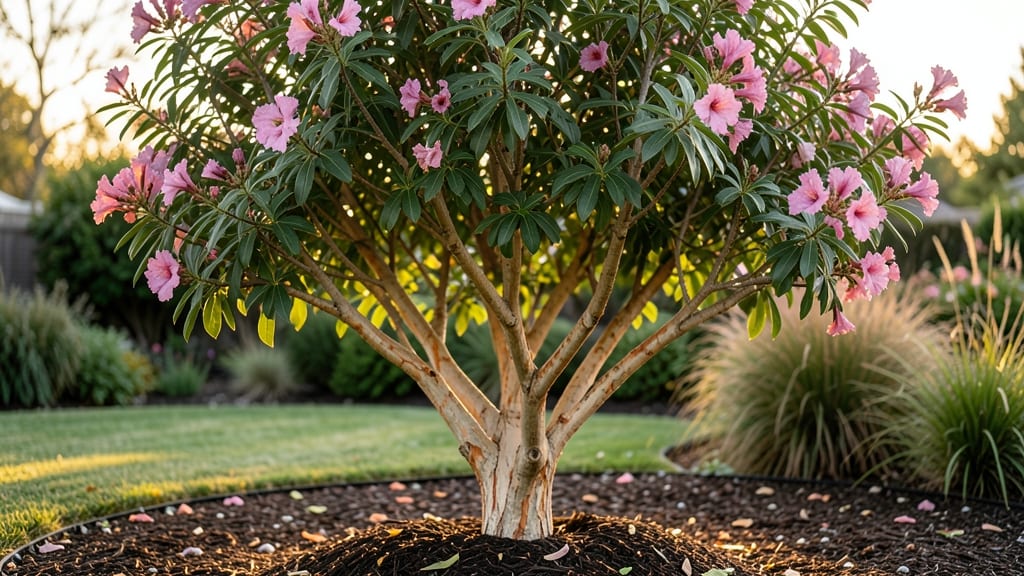
Leaving your crepe myrtle unpruned transforms it into a wildlife magnet and year-round showstopper. 🌿 I used to hack back branches every winter, but after embracing the natural shape, my tree became the neighborhood's most talked-about feature—blooms from June to September, plus bird nests year-round.
The real magic happens in late winter when you focus on just three simple cuts: remove dead wood, shape the trunk flare, and trim any crossing branches. This keeps the tree healthy without sacrificing that wild, natural beauty.
My unpruned tree now stands 12 feet tall with a canopy that casts perfect afternoon shade. You'll love the way it attracts hummingbirds and butterflies while looking effortlessly elegant. The bark becomes a textured winter feature, and those summer blooms? They're three times more abundant than pruned trees I've seen.
This approach works for any crepe myrtle variety, whether you're in a suburban yard or a rural landscape. Here's how to make the switch without losing a single bloom.
Unchecked Growth Explained
When crepe myrtles go unpruned for years, they don’t just grow tall—they transform into tangled, leggy messes that look more like overgrown weeds than the elegant trees they’re meant to be. But why does this happen?
The answer lies in a mix of natural growth habits, seasonal cues, and a lack of human intervention. Let’s break down the science behind why your crepe myrtle turns into a wild, unruly giant when left to its own devices.
Crepe myrtles are fast growers, especially in warm climates where they thrive.
Their vigorous apical dominance—a botanical term for the tree’s tendency to prioritize vertical growth from the topmost buds—means that if left unchecked, they’ll shoot upward like a rocket, stretching their trunks and branches as far as possible to reach sunlight.
Without pruning, the lower branches weaken and die back, leaving a bare trunk (called "crepe murder") and a canopy of leaves clustered at the top.
- Key factor: The tree’s energy is focused on height, not width or density.
- A sparse, top-heavy silhouette that looks more like a telephone pole with a hat than a lush landscape feature.
Pruning isn’t just about aesthetics—it’s about structural integrity. When you don’t prune crepe myrtles, the branches grow long and thin, with weak crotches (the junctions where branches meet the trunk or other branches).
These weak points are prone to: - Splitting under the weight of flowers or storms. - Dieback when branches lose their leaves and fail to regenerate. - Pest and disease entry through cracks or wounds.
Why it matters: A single unpruned crepe myrtle can develop dozens of dead or dying branches over time, turning it into a maintenance nightmare.
Crepe myrtles bloom on new wood, meaning their flowers grow from the current year’s growth, not old branches. If you prune at the wrong time (like in late winter or early spring), you risk cutting off next year’s blooms.
But if you never prune at all, the tree becomes a bloom factory on steroids—producing more flowers than it can support, which leads to: - Overburdened branches that sag or snap. - Reduced flower quality (smaller, less vibrant blooms). - Energy drain from the tree, weakening its overall health.
Pro tip: 💡 Even unpruned trees need light shaping to encourage balanced growth. A single strategic cut in late winter can reset the tree’s focus from vertical growth to bushier, stronger branches.
Not all crepe myrtles behave the same—climate and soil type play a huge role in how wild they get:
- Warm, humid climates (like the Southeast U.S.) accelerate growth, making unpruned trees grow faster and taller.
- Rich, moist soil provides excess nutrients, fueling unchecked expansion.
- Poor soil or drought stress can actually stunt growth but still lead to weak, leggy branches.
Actionable insight: If your crepe myrtle is in a high-growth zone, prune more aggressively (but correctly!) to keep it in check.
An unpruned crepe myrtle isn’t just ugly—it’s a magnet for problems:
- Aphids, scale, and borers thrive in dense, unpruned foliage, hiding in crevices and feeding on sap.
- Fungal diseases (like powdery mildew) spread more easily in shaded, crowded branches.
- Weak wood from poor structure invites cankers and rot, turning a small issue into a full-blown tree health crisis.
Warning sign: 🚨 If you see yellowing leaves, oozing sap, or sawdust-like frass (borer droppings), your unpruned tree is already in trouble.
Here’s the harsh truth: Skipping pruning for just one year doesn’t just mean one bad season—it sets off a chain reaction.
- Year 1: Branches grow long and weak.
- Year 2: Lower branches die back, creating a bare trunk.
- Year 3+: The tree becomes a structural hazard, with weak crotches and deadwood.
- Year 5+: You’re looking at removal costs instead of a simple trim.
Reality check: A crepe myrtle that’s been unpruned for 5+ years can take years of careful pruning to restore—if it’s even salvageable.
While the causes above sound dire, the fix is simpler than you think. Late winter pruning (the focus of this article) can reset an unruly crepe myrtle’s growth pattern, encouraging: ✅ Stronger, thicker branches. ✅ Better bloom production. ✅ A safer, more stable structure.
The key? Understanding the why behind the mess so you can prune with purpose—not just hacking away at random. Stay tuned for our step-by-step late winter pruning guide to turn your wild crepe myrtle into a showstopper.
Revive Your Overgrown Crepe Myrtle
If your crepe myrtle has gone wild from neglect, don’t panic—it’s never too late to restore its shape and health! The key is understanding the root causes of its unkempt state and applying the right fixes.
Below, we’ll tackle common issues (like leggy growth, dense canopies, or pest-prone branches) with step-by-step solutions. Plus, we’ll share prevention tips to keep your tree looking stunning year-round.
When crepe myrtles aren’t pruned, they develop long, weak stems with sparse foliage. Here’s how to thin them out and encourage bushier growth:
- 🍳 Identify the Problem Branches
Look for branches that are thinner than a pencil, crossing each other, or growing straight up (called "water sprouts"). These are prime candidates for removal.
- 👨🍳 Time Your Prune
Late winter (just before buds swell) is ideal. Avoid pruning in fall—it invites pests and diseases.
- ✂️ Cut Correctly
Use clean, sharp pruners to make cuts just above a leaf node or outward-facing bud. For thick branches, use a pruning saw and seal larger wounds with pruning paint (optional but helpful for fast healing).
- 🌱 Encourage New Growth After pruning, fertilize with a slow-release, balanced fertilizer (10-10-10) to support recovery. Water deeply but avoid overwatering—crepe myrtles hate soggy roots!
💡 Pro Tip: If your tree is severely overgrown, prune in stages over 2–3 years. Removing too much at once stresses the tree.
A thick, tangled canopy traps moisture, leading to fungus, mildew, or aphid infestations. Here’s how to open it up:
- 🔪 Start at the Top
Remove dead, diseased, or rubbing branches first. These are easy to spot—they’re brown, brittle, or touching other branches.
- ⏰ Thin Out the Middle
Focus on branches growing inward. Aim to create a vase-like shape with space between limbs. This improves airflow and sunlight penetration.
- 🌡️ Avoid "Topping"
Never cut the top flat—this creates ugly stubs and invites pests. Instead, prune to a natural branch fork.
- 🎯 Post-Prune Care After thinning, mulch around the base (2–3 inches deep) to retain moisture and suppress weeds. Avoid piling mulch against the trunk.
✨ Prevention Tip: Prune lightly in late spring (after flowering) to shape the tree without sacrificing next year’s blooms.
Unpruned crepe myrtles attract aphids, scale, or powdery mildew. Here’s how to treat and prevent infestations:
| Problem | Solution | Prevention |
|---|---|---|
| Aphids (tiny green/black bugs on new growth) |
|
|
| Powdery Mildew (white fuzzy coating on leaves) |
|
|
💡 Pro Tip: If pests keep returning, your tree may be stressed. Check for overwatering, compacted soil, or nutrient deficiencies and adjust care accordingly.
With these fixes, your crepe myrtle will bounce back stronger and more beautiful than ever. Remember: Regular light pruning (1–2 times a year) is the secret to keeping it lush and pest-free!
Frequently asked questions
Why does my unpruned crepe myrtle look so leggy and bare at the bottom?
Crepe myrtles grow upward aggressively due to apical dominance, focusing energy on vertical growth when left unpruned. The lower branches weaken and die back from lack of sunlight, creating that "telephone pole" look. Late winter pruning can redirect growth to fill out the lower canopy.
Can I still get flowers if I never prune my crepe myrtle?
Yes! Crepe myrtles bloom on new wood, so unpruned trees often produce more flowers than pruned ones—but they may be smaller and less vibrant. The trade-off is potential branch stress from excessive blooms. Light shaping in late winter helps balance both beauty and health.
How do I fix a severely overgrown unpruned crepe myrtle?
Never remove more than 25% of the canopy in one year. Start by cutting out dead wood and crossing branches, then thin the interior to improve airflow. Spread major pruning over 2-3 years to avoid shocking the tree.
Will leaving my crepe myrtle unpruned attract more pests?
Yes, unpruned trees create ideal conditions for aphids, scale insects, and powdery mildew by trapping moisture in dense foliage. Regular air circulation through light pruning reduces these risks while maintaining the tree's natural beauty.
What's the best time to do minimal pruning on an unpruned crepe myrtle?
Late winter (just before buds swell) is perfect for structural pruning. Avoid pruning in fall—it invites disease. For shaping, you can also do light pruning in late spring after flowering without affecting next year's blooms.