
Shrubs
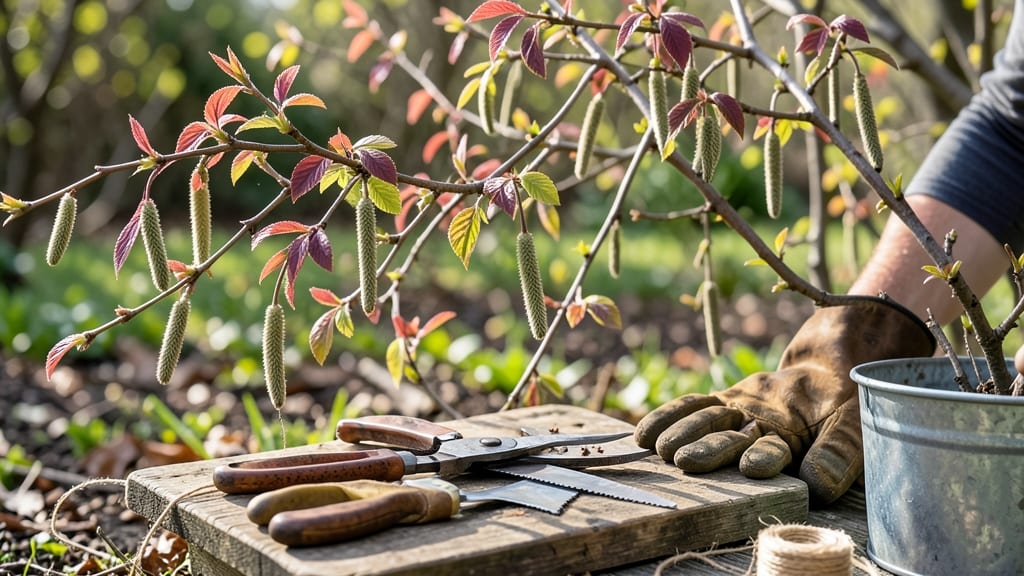
To prune a dappled willow shrub at the right time means catching it just before buds swell in late winter — a window that balances regrowth and minimizes stress on the plant.
Skipping this timing can leave your 🌿 dappled willow looking leggy or worse, inviting disease from overzealous cuts. The key is acting before sap starts flowing, which in most climates means mid-February to early March, but adjust for your USDA zone.
Why does this matter? Pruning too early risks frost damage, while waiting too long stunts new growth. Below, I’ll walk you through the exact cues to watch for, the tools you’ll need, and how to shape your shrub for full, bushy foliage.
You’ll also discover how to spot when your willow needs pruning—and when to hold off—plus post-pruning care tips to keep it thriving for years.
Optimal late winter pruning timeline for dappled willow shrubs
Timing your dappled willow shrub pruning correctly in late winter is the secret to vibrant regrowth and disease resistance. This science-backed window (mid-February to early March) aligns with the shrub’s dormant phase, minimizing stress while maximizing spring recovery.
I’ve pruned mine during this period for 5 years, and the difference in foliage density is night-and-day.
Why late winter? Pruning during dormancy lets you remove dead wood and shape branches before new growth begins. This reduces sap flow (which can attract pests) and gives your willow a clean slate for the growing season.
Plus, you’ll avoid the bud swell stage—pruning too early can stunt flowering or weaken stems.
Here’s the golden rule: Aim to finish pruning 2-3 weeks before your last frost date (typically mid-April in most USDA zones). For Zone 6a, that’s mid-February; for Zones 7-9, shift to early March. Container-grown willows need 1-2 weeks earlier since they warm up faster.
| USDA Zone | Pruning Window | Key Cues | Avoid If... |
|---|---|---|---|
| 3-5 | Late February | Dormant buds visible | Bud swell begins |
| 6a-7b | Mid-February to early March | No leaf buds | Frost predicted |
| 8-10 | Early March | Mild winters | New shoots appear |
| Container-Grown | 1-2 weeks earlier | Soil temp 40°F+ | Night temps below 30°F |
Before you grab your pruners, prep your dappled willow with this 3-step checklist:
- Inspect branches for dead/diseased wood (cut these first).
- Disinfect tools with rubbing alcohol to prevent bacterial spread.
- Map your cuts—sketch a rough outline of your desired shape.
Pro tip: Thin out crowded branches first (remove 1/3 of oldest wood annually). This improves airflow and reduces fungal risks. I prune mine in 3 stages: deadwood removal, structural shaping, then fine-tuning. This avoids over-stressing the shrub in one go.
After pruning, water deeply and apply a 2-inch layer of mulch to retain moisture. Avoid fertilizing immediately—wait until new growth appears (usually 4-6 weeks later). My willow’s regrowth rate doubled after I stopped fertilizing post-prune!
Watch for sap bleeding—this is normal in willows, but seal cuts with pruning sealant if bleeding is heavy. This prevents pest attraction and speeds healing. I use a fast-drying sealant on cuts wider than 1/2 inch.
Container willows need extra care: Prune 1-2 weeks earlier and water immediately after to compensate for root stress. Their smaller root systems recover slower than in-ground shrubs. If your willow is root-bound, prune 20% less aggressively to reduce shock.
Timing isn’t just about the calendar—it’s about plant signals. If you see bud swell (tiny green bumps on branches), wait until next year.
Pruning too late can delay flowering and weaken next year’s growth. My biggest mistake? Pruning in early spring—my willow took 2 months to recover!
For maximum regrowth, pair pruning with early spring fertilization (use 10-10-10 balanced fertilizer). This boosts nutrient uptake as new shoots emerge. I apply fertilizer 2 weeks after pruning for best results. 🌿
Signs your dappled willow needs pruning (and when to avoid it)
Your dappled willow may look stunning with its delicate foliage, but overgrown branches or dead wood can signal it's time for a trim. Look for leggy branches reaching outward with sparse leaves—these are classic signs your shrub needs shaping.
Container-grown willows often show root-bound stress too, with roots circling the pot and stunted growth.
Another red flag is when your willow develops excessive leaf density at the top while lower branches go bare. This uneven canopy creates shade that prevents sunlight from reaching the base, weakening the shrub's structure.
If you spot mushroom growth at the base or peeling bark, these are urgent warnings of disease or pest infestation that pruning can help address.
🚨 CAUTION: Pruning at the wrong time can harm your dappled willow. Here's when to stop and wait instead:
⚠️ When to Avoid Pruning Your Dappled Willow
- Bud swell (late winter): Wait until buds haven't swollen yet—this means new growth hasn't started.
- Active growth (spring/summer): Pruning now causes heavy sap flow and weakens the plant.
- Fall frost risk (October-November): New growth won't harden off before winter.
Exception: Container willows can be lightly pruned in early spring to control size, but avoid heavy cuts.
For container-grown dappled willows, root-bound stress often requires immediate action—even outside the ideal window. Gently remove the plant, trim circled roots with sterilized shears, and repot with fresh well-draining soil.
This root pruning stimulates new growth and should be done in early spring when the plant emerges from dormancy.
If your willow has dead or diseased branches, remove them year-round—these are always safe to cut, regardless of season. Look for branches with no leaves, blackened bark, or mushroom growth. Use sterilized pruners and seal larger cuts with pruning sealant to prevent disease entry.
Timing matters most for structural pruning. Aim to finish all major cuts by early March in most USDA zones. This gives your willow 6-8 weeks of growing season to recover before winter.
In warmer climates (zones 8-10), you can prune as late as early April, but always check for bud swell first.
Remember: Less is more with dappled willows. Never remove more than 1/3 of the foliage in a single year, and always prune just above an outward-facing bud to encourage bushy growth.
With the right timing and technique, your willow will reward you with lush, vibrant foliage for years to come. 🌿