
Pruning
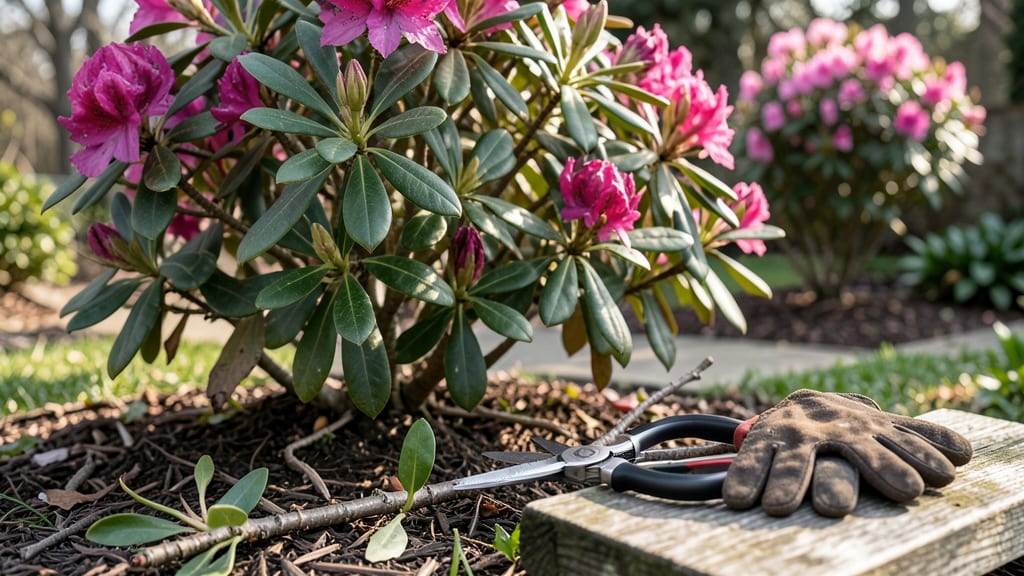
To prune rhodies at the right time means catching them just as buds swell but before new growth begins — a late-winter trick that keeps your 🌸 shrubs blooming beautifully all season.
Pruning rhododendrons at the wrong time can mean fewer blooms—or even losing them entirely. But timing it perfectly in late winter unlocks a secret: year-round floral displays that turn your garden into a showstopper.
In Zone 6, that window is tight—typically between late February and early March—but regional differences matter. Too early, and you risk cutting off next year’s flowers; too late, and you stunt growth. Here’s how to spot the exact moment and avoid common mistakes that ruin blooms.
Below, I’ll break down the step-by-step timing, tools to use, and post-prune care (like fertilization and mulching) to keep your rhodies thriving for decades. No more guesswork—just blooms on demand.
The exact late winter window for pruning rhododendrons
Timing your rhododendron pruning in late winter is the key to unlocking vibrant blooms and a healthier plant. The ideal window falls between when buds swell but before new growth begins—typically February to early March in most climates.
Missing this window risks cutting off next year's flowers or stressing the plant.
Rhododendrons are evergreen shrubs that store energy in their old wood, so pruning at the wrong time can weaken them. The goal is to shape the plant while preserving its flower buds, which form on last year's growth.
Waiting too long means you’ll trim away next season’s blooms.
Your local climate zone dictates the exact timing. In USDA Zone 6 (like much of the Midwest), prune in late February to early March.
In warmer zones (7-9), wait until March to early April when buds begin to swell. Cooler zones (3-5) may need to prune as late as April to avoid frost damage.
Here’s how to spot the perfect pruning moment:
- Look for swollen buds along the stems—these indicate the plant is waking up.
- Avoid pruning when leaves are fully open or when new shoots appear.
- Check for last year’s flower stalks—these are safe to trim after blooms fade.
| Climate Zone | Pruning Window | Key Signal | Avoid Pruning After |
|---|---|---|---|
| Zones 3-5 (Cold Climates) | Late March to April | Bud swell begins | First leaves unfurl |
| Zone 6 (Midwest/NE) | Late February to early March | Swollen buds visible | New growth appears |
| Zones 7-9 (South/West) | March to early April | First buds appear | Flower buds open |
If you’re unsure about your exact timing, use the bud swell test: Gently press a bud—if it feels firm but slightly plump, it’s time to prune.
If it’s still hard and shriveled, wait a week. Overcast days are ideal for pruning because they reduce stress on the plant.
Pruning too early—before buds swell—can stimulate weak growth that’s vulnerable to frost. Conversely, pruning too late risks cutting off next year’s flowers, as buds form on old wood in late summer. Always prioritize health over aesthetics; a well-timed prune keeps rhododendrons thriving for decades.
Pro tip: Mark your calendar based on your last frost date. Prune 4-6 weeks before the average last frost in your area. For example, in Zone 7 with a March 15 frost date, aim for early February pruning.
After pruning, fertilize lightly with an acid-loving plant food (like 10-10-10) to encourage robust growth. Mulch around the base with pine needles or bark to maintain acidic soil conditions—rhododendrons hate alkaline soil.
Watch for new growth in the weeks following pruning. Healthy green shoots confirm you’ve timed it right. If you see yellowing leaves or stunted growth, you may have pruned too late or stressed the plant.
Remember: Patience is key. Rhododendrons reward careful pruning with showstopping blooms for years. Master this late-winter window, and your garden will thank you with lush foliage and endless color.
Step-by-Step pruning guide: how to revive rhododendrons without killing blooms
Reviving your rhododendrons starts with the right cuts—never more than 1/3 of the plant at once. This late-winter task removes dead wood, opens up the center, and encourages vibrant blooms for years to come.
The key? Precision over aggression. I’ll show you exactly which stems to trim and how to make clean cuts that heal fast.
Before you grab your pruners, scan your rhododendron for three types of stems to target: dead or diseased branches, crossing or rubbing branches, and overcrowded growth blocking light.
These are the culprits stealing energy from your plant’s spring blooms. Pro tip: Use sharp, sterilized tools to avoid tearing bark or spreading disease.
- 🔹 Step 1: Remove dead wood first—snip at the base where the branch meets the stem. Look for brown, brittle branches with no green beneath the bark.
- 🔹 Step 2: Cut crossing branches that rub against each other. Trim the weaker branch at its point of origin to avoid leaving stubs.
- 🔹 Step 3: Thin overcrowded growth in the center. Aim for an open vase shape to improve airflow and light penetration.
- 🔹 Step 4: Use clean cuts at a 45-degree angle, 1/4" above a bud or branch collar. This prevents water from pooling and causing rot.
- 🔹 Step 5: Never cut into old wood—focus on current season’s growth. Old wood won’t produce new blooms, and severe cuts can kill your plant.
- 🔹 Step 6: Dispose of diseased branches immediately. Don’t compost them—burn or bag them to prevent fungal spread.
After pruning, your rhododendron will look less dense but more structured. The before photo might show a tangled mess, while the after reveals a balanced shape with room for new growth. Think of it like giving your plant a haircut—less bulk, more style!
Once you’ve finished, sterilize your tools with rubbing alcohol to prevent bacterial contamination. Then, apply a 2-inch layer of mulch around the base (but not touching the stem) to retain moisture and regulate soil temperature. This step is critical for recovery and next year’s blooms.
Finally, avoid fertilizing right after pruning—wait until early spring when new growth appears. Use a balanced, acid-loving fertilizer (like 10-10-10) to give your rhododendron the nutrients it needs for lush foliage and abundant flowers. With these steps, your plant will thank you with bold blooms all season long!