
Pruning
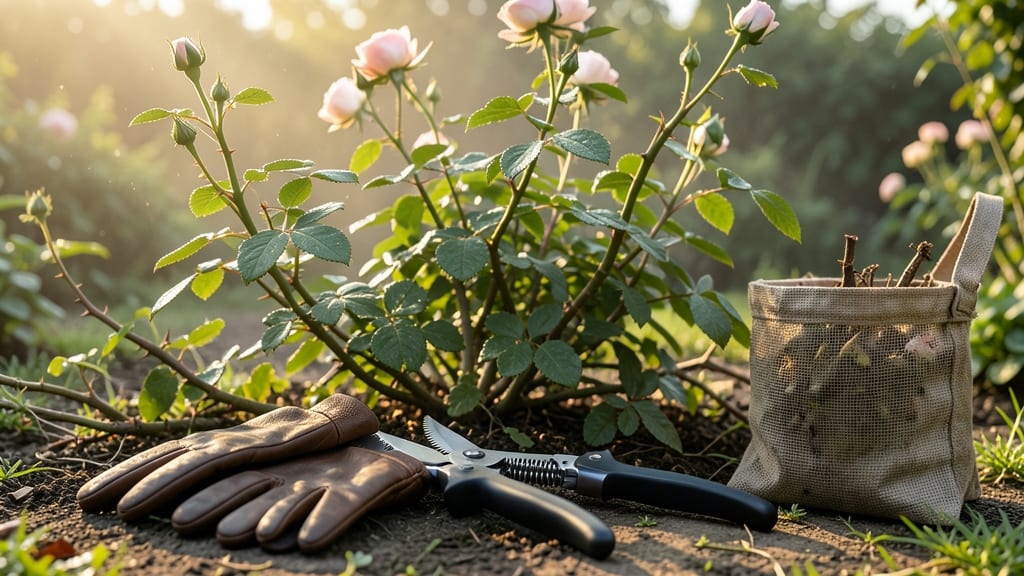
Pruning roses in Colorado at the right time can mean the difference between vibrant blooms and struggling bushes struggling to recover.
Picture this: you’ve spent months nurturing your 🌹 roses, only to prune them too early or too late, inviting disease or stunting growth. The key lies in Colorado’s unique climate—where late frosts in the 5-7 zones and sudden heat shifts demand precision.
Most gardeners here wait until after the last frost (late April to early May), but that’s not the whole story. Hybrid teas, climbers, and shrub roses each have their own ideal window, and cutting at the wrong time can leave your plants vulnerable to black spot or winter dieback.
In this guide, I’ll break down the best months for pruning in Colorado’s microclimates, step-by-step techniques to encourage healthy regrowth, and the five mistakes that even experienced gardeners make—so you can keep your roses thriving year after year.
Best months to prune roses in Colorado’s climate zones
Colorado’s diverse climate zones—from the Front Range’s cooler temperatures to the Western Slope’s warmer, drier air—create unique challenges for rose pruning. Timing matters because pruning too early exposes roses to late frosts, while waiting too long reduces next year’s blooms.
For hybrid teas, climbers, and shrub roses, the ideal window shifts based on your microclimate and the last average frost date.
In the Front Range (Denver, Boulder, Fort Collins), where USDA zones 5-6 dominate, prune between mid-March and early April—after the ground thaws but before buds swell.
Meanwhile, the Western Slope (Grand Junction, Durango), in zones 6-7, can start pruning as early as late February due to milder winters. Understanding these differences ensures your roses enter dormancy stronger and bloom more vigorously.
🌹
| Climate Zone | Best Pruning Window | Key Timing Cues | Rose Types | Avoid Pruning After |
|---|---|---|---|---|
| Front Range (Zones 5-6) | Mid-March to early April | After ground thaws, before buds swell | Hybrid teas, floribundas, shrub roses | Mid-April (risk of late frost) |
| Western Slope (Zones 6-7) | Late February to mid-March | When forsythia blooms appear | Climbers, ramblers, hardy shrubs | Early April (new growth risk) |
| High Elevation (8,000+ ft) | Late April to early May | After snowmelt, soil warms to 50°F | Dwarf varieties, alpine roses | Mid-May (short growing season) |
For hybrid teas, which bloom on new wood, prune aggressively in late winter to encourage robust spring growth. These roses benefit from 30-50% reduction of last year’s canes, cutting just above an outward-facing 5-leaf bud.
In contrast, climbing roses and shrub roses often bloom on old wood, so prune lightly in early spring to maintain their structure while still removing dead or crossing branches.
Colorado’s variable frost dates make late-winter pruning risky. If you prune too early, a late frost can damage fresh cuts before they heal. Wait until the daytime highs consistently reach 50°F—a reliable sign that new growth can tolerate cold snaps.
In the Front Range, this typically aligns with mid-April, while the Western Slope may see it as early as late March.
🌿
One trick I use is the "forsythia rule": Prune roses when forsythia bushes bloom in your area. Forsythia’s bright yellow flowers signal that soil temperatures have warmed enough for safe pruning.
This natural cue works across Colorado’s zones and accounts for microclimate variations. Pair this with checking the National Weather Service’s frost probability maps for your specific area to fine-tune your timing.
If you missed the ideal window, don’t panic. Light pruning to remove dead wood can still be done in early summer, though avoid heavy cuts after June 1st. Summer pruning should focus on shaping and deadheading to redirect energy to new blooms.
Just remember: Never prune in fall—this stimulates tender growth that won’t survive Colorado’s freezing winters.
🪴
For disease-prone varieties like Knock Out roses, which thrive in Colorado’s climate, prioritize airflow during pruning. Thin out crowded canes to reduce humidity levels, which helps prevent black spot and powdery mildew—common issues in Colorado’s summer heat.
Always sterilize your pruners with rubbing alcohol between cuts to avoid spreading pathogens. After pruning, apply a 2-inch layer of mulch around the base to insulate roots and retain moisture.
Finally, keep a pruning journal to track what works in your microclimate. Note the exact dates you pruned, your rose varieties, and how they performed the following season.
Over time, you’ll refine your timing to match your garden’s unique conditions—whether that’s a sunny urban yard or a shaded mountain garden.
How to prune Colorado roses for maximum blooms (step-by-step)
Pruning your Colorado roses isn’t just about shaping them—it’s about boosting blooms and preventing fungal diseases like black spot, which thrive in our humid summers. The key is cutting at the right time with the right tools to encourage healthy new growth while keeping air circulating through the plant.
I’ve pruned roses for over a decade in Colorado’s USDA Zones 5-7, and these steps will help you avoid common mistakes that stifle your roses.
Before you grab your pruners, remember: the best time to prune in Colorado is late winter to early spring, right after the last frost (typically late April to early May on the Front Range).
This timing gives your roses enough time to harden off before summer’s heat and humidity arrive. If you prune too early, you risk damaging dormant buds that haven’t yet woken up for the season.
Step-by-Step Pruning Guide for Colorado Roses
-
Step 1: Gather Your Tools
Clean, sharp pruners, disinfectant (rubbing alcohol), gloves, and bypass pruners for thicker stems. -
Step 2: Remove Dead or Diseased Wood
Cut out blackened canes or those with fungal spots (like black spot) down to healthy green wood. -
Step 3: Shape for Airflow
Open the center of the bush by removing inward-growing canes to reduce humidity buildup. -
Step 4: Cut Back Last Year’s Growth
Trim hybrid teas and climbing roses to 18-24 inches tall, leaving 3-5 strong canes per plant. -
Step 5: Make Clean Cuts
Angle cuts just above an outward-facing bud (about 1/4 inch above) to encourage new growth away from the center. -
Step 6: Disinfect Tools Between Cuts
Wipe pruners with rubbing alcohol between cuts to prevent spreading disease. -
Step 7: Mulch and Fertilize
Add 2-3 inches of mulch and apply balanced fertilizer (10-10-10) to support new growth.
One of the biggest mistakes I see in Colorado gardens is pruning too aggressively in the fall. While light shaping can help prepare roses for winter, heavy pruning removes the protective canes that shield buds from freezing temperatures.
Instead, focus on removing dead wood and thinning crowded branches in late winter, when the plant is still dormant but the frost risk has passed.
For Colorado’s high-altitude regions (like the Western Slope), adjust your timing slightly. Areas above 7,000 feet often experience later last frosts, so wait until mid-May to prune.
Additionally, shrub roses like Knock Out roses need less aggressive pruning—just light shaping in early spring to remove crossing branches and dead wood.
After pruning, keep an eye out for new shoots emerging from the base of the plant. These are a sign your rose is recovering well! Water deeply once a week (more in summer heat) and avoid wetting the foliage to prevent fungal infections.
If you notice yellowing leaves or black spots after pruning, it’s a sign you may have over-pruned or left cuts too close to the bud.
With these steps, your Colorado roses will reward you with vibrant blooms all season long—without the disease pressure that plagues poorly pruned bushes. Happy pruning! 🌹