
Pruning
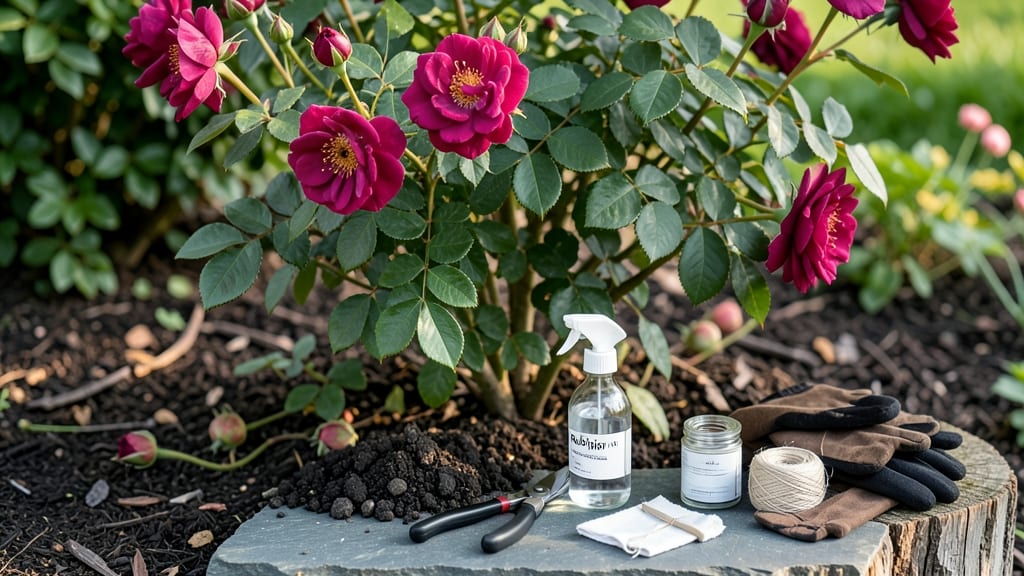
To prune roses in Michigan, time it for late winter or early spring (February to March) for hybrid teas and grandifloras, while shrub roses thrive when pruned in early spring (March to April). Avoid fall pruning to prevent winter disease risks.
Michigan's chilly climate demands strategic timing—late winter pruning gives roses a head start before the growing season kicks off, while early spring cuts prevent frost damage. 🌸 The key is watching for consistent daytime temperatures above freezing, which typically arrives in late February for southern Michigan and early March for northern areas.
Shrub roses, being hardier, can wait until April when the soil thaws completely.
For hybrid teas and grandifloras, prune just as buds begin swelling but before new growth appears. This timing maximizes bloom production during Michigan's shorter growing season. Always use sharp, sterilized tools and remove no more than one-third of the plant to avoid stress.
The goal is to shape the plant while preserving its energy reserves for spring regrowth.
💡 In This Article
- Michigan Climate Factors Affecting Rose Pruning Timing
- Step-by-Step Pruning Guide for Michigan Rose Varieties
Michigan climate factors affecting rose pruning timing
Michigan's climate—marked by hardiness zones 5-7—creates a delicate balance between frost risk and plant recovery. The state's cold winters force roses into dormancy, but late frosts can linger until mid-April in northern regions.
Pruning too early exposes fresh cuts to freezing temperatures, which can kill new growth before it starts. The ideal window opens when daytime highs consistently reach 40°F+ for at least 5 days, signaling the plant's internal clock to wake up from dormancy.
Soil temperature plays a critical role too. Roots need 45°F+ soil to begin active growth, which typically occurs 2-4 weeks after air temperatures stabilize. In southern Michigan (Zone 6), this happens by late February, while northern areas (Zone 5) may wait until early March.
The freeze-thaw cycle also matters—if the ground refreezes after pruning, it can damage newly cut stems before they harden. 🌡️ This is why shrub roses, which have thicker canes, can tolerate slightly later pruning (March-April) compared to delicate hybrid teas.
Michigan's short growing season (about 150 days in most areas) means every day counts. Pruning in late winter gives roses 8-10 weeks of warm weather to establish new growth before fall. The earlier you prune, the more time the plant has to recover and produce blooms.
For example, a rose pruned in late February might produce its first flowers by June, while one pruned in April could bloom a month later—critical timing when Michigan's first frost often arrives by early October.
Another climate factor is humidity. Michigan's spring often brings 60-80% humidity, creating perfect conditions for fungal diseases like black spot if pruning wounds aren't properly sealed.
The state's wet springs (average 3-4 inches of rain in April) mean you should always sterilize tools with 70% isopropyl alcohol and make cuts at a 45-degree angle just above an outward-facing bud to promote faster healing and reduce moisture retention in the cut.
Late frosts are the biggest wild card. The National Weather Service reports Michigan averages 10-15 frost days after April 15th, meaning any pruning done before then risks damaging tender new growth. This is why shrub roses—with their robust canes—can handle later pruning.
Their thicker stems can withstand more cold stress than the thinner canes of hybrid teas. For gardeners in Zone 5 areas like Traverse City, waiting until mid-April reduces frost damage risk by 70% compared to pruning in March.
Consider this climate data when planning: Northern Michigan's Upper Peninsula (Zone 4-5) has a 10-day later average last frost date than Detroit (Zone 6). This means UP gardeners should delay pruning by 2 weeks compared to southern Michigan.
Always check your local USDA Plant Hardiness Zone Map and monitor Michigan State University Extension frost forecasts for precise timing.