
Pruning
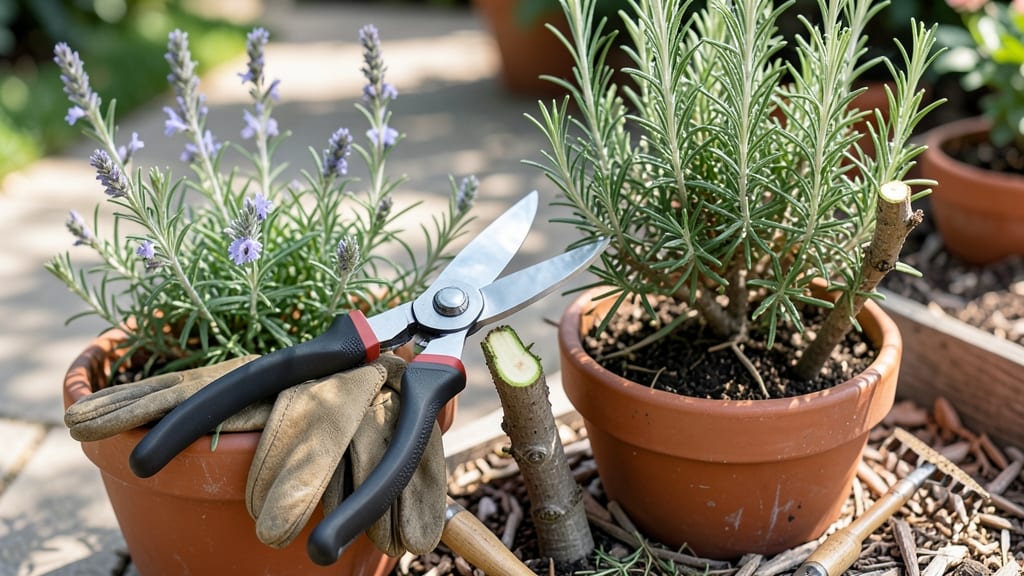
To prune salvia plants, time it for late winter or early spring before new growth starts, or right after flowering for perennials like sage. Never prune in fall, and avoid cutting woody stems past their first set of leaves.
Timing matters because salvia plants respond differently based on their type and growth cycle. 🌱 Perennials like sage need pruning after flowering to encourage fresh blooms, while annuals should be trimmed once they finish blooming.
Woody varieties, common in colder climates, benefit from dormant-season pruning to prevent frost damage. I’ve found that waiting until after the last frost date in your zone ensures healthier regrowth.
For example, in USDA zones 5-7, late winter pruning (February-March) works best because the plants have already survived winter but haven’t yet started actively growing. In warmer zones (8-10), early spring (March-April) aligns with natural growth cycles.
The key is to prune when the plant is actively recovering but hasn’t yet committed to new growth.
💡 In This Article
- Salvia Pruning Timing by Plant Type and Climate Zones
- Step-by-Step Salvia Pruning Guide for Healthy Growth
Salvia pruning timing by plant type and climate zones
Salvia plants have distinct growth cycles that determine the best pruning times. Perennials like sage (Salvia officinalis) or meadow sage (Salvia nemorosa) thrive when pruned immediately after flowering, typically in late spring to early summer.
This timing encourages new growth and prevents the plant from putting energy into seed production. Annual salvias, however, should be pruned once they finish blooming to maintain shape and promote secondary blooms, if possible.
The climate zone plays a critical role in salvia pruning schedules. In USDA zones 5-7, where winters are colder, pruning should occur in late winter (February-March), just before new growth begins. This allows the plant to recover before the growing season while avoiding frost damage.
In warmer zones (8-10), early spring (March-April) aligns better with natural growth cycles. Woody salvias, like autumn sage (Salvia greggii), benefit from dormant-season pruning to remove dead wood and shape the plant without stressing it.
Frost risk is another key factor. Pruning too early in colder zones can expose tender new growth to late frosts, which can kill emerging shoots. For example, in zone 6, waiting until after the last average frost date (usually mid-April) ensures the plant has a head start on recovery.
In contrast, zone 9 plants can handle pruning as early as February because frost is rare. The goal is to prune when the plant is entering its active growth phase but hasn’t yet committed to new leaves.
Woody salvias, like sagebrush (Salvia dorrii), have unique needs. These plants store energy in their woody stems, so pruning should never cut back beyond the first set of leaves. This rule prevents the plant from losing its energy reserves, which are crucial for survival in harsh winters.
For these varieties, late winter pruning (January-February) is ideal because it removes dead or damaged stems while leaving enough foliage for photosynthesis during the growing season.
Consider the plant’s natural rhythm: perennials need pruning to reset their cycle, while annuals benefit from shaping after blooming. For instance, purple sage (Salvia leucantha) blooms in late summer, so pruning in early fall (after flowering) keeps it tidy for the next season.
This timing also avoids disturbing the plant as winter approaches, reducing stress. The key is to match pruning to the plant’s growth stage and climate, ensuring it enters dormancy or active growth with minimal disruption.
One common mistake is pruning in fall, which can leave the plant vulnerable to winter damage. Fall pruning removes protective foliage just as temperatures drop, exposing tender stems to frost. Instead, focus on late winter or post-flowering pruning to give the plant time to recover before cold snaps.
For example, in zone 5, pruning in October risks frost damage, while waiting until March allows the plant to heal before summer heat arrives.
To summarize, align pruning with the plant’s type and climate: perennials after flowering, annuals post-bloom, and woody salvias in late winter. This approach ensures healthy regrowth and vibrant blooms for seasons to come. 🌿