
Pruning
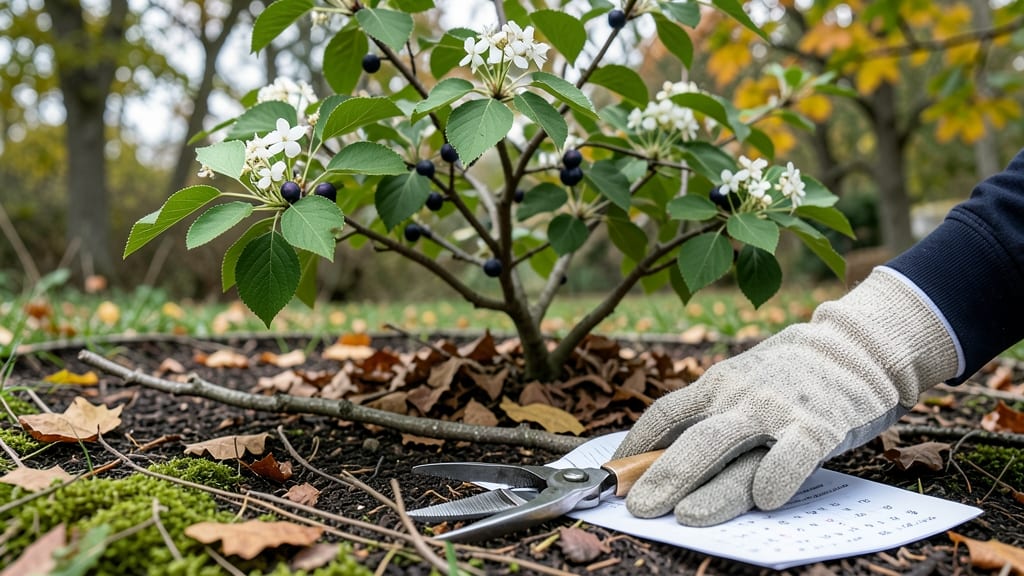
To prune serviceberry 🌳 for the best fruit and flower production, aim for late winter to early spring — right after the last frost but before buds swell.
Picture this: You’ve spent years waiting for those vibrant spring blooms and sweet summer berries, only to prune at the wrong time and watch your yields shrink. The difference between a thriving serviceberry and a struggling one often comes down to timing.
Pruning too early risks damaging new growth, while waiting too long cuts into next year’s fruit. The ideal window balances these risks, and I’ll break down exactly when to reach for your shears in your climate zone.
You’ll also discover how to shape your tree for maximum airflow, which cuts back on disease, and the simple tools that make the job easier—so you can enjoy more berries and fewer headaches.
Best months to prune serviceberry for fruit & flower production
Pruning your serviceberry at the right time is crucial for maximizing both fruit production and spring flowering. Unlike many fruit trees, serviceberries respond best to late winter or early spring pruning, but timing can vary based on your climate zone.
Get it wrong, and you risk reducing next year's berry yield or stressing the tree during dormancy.
The ideal window for pruning serviceberries is between late February and early April, just before buds swell but before new growth begins. This timing ensures you remove dead wood while preserving next season's flower buds, which form on one-year-old wood.
In warmer climates (USDA zones 7-9), you may prune as early as January, while colder regions (zones 3-5) should wait until April to avoid frost damage.
Here's a quick comparison to help you decide when to prune based on your location and goals:
| Pruning Time | Best For | Fruit Impact | Flower Impact | Climate Zones |
|---|---|---|---|---|
| Late Winter (Feb-Mar) | Structural shaping, deadwood removal | Maximizes next year's berries | Preserves flower buds on old wood | Zones 3-6 (colder climates) |
| Early Spring (Apr) | Light pruning, minor adjustments | Maintains current fruit production | Minimal impact on flowering | Zones 7-9 (warmer climates) |
| Post-Harvest (June-July) | Rejuvenation pruning (overgrown trees) | Reduces next year's yield (avoid) | Minimal impact on flowers | All zones (last resort) |
| Summer (Aug-Sept) | Emergency pruning only | Severe yield reduction | Stimulates late growth (risky) | Never recommended |
If you're in a warmer climate (like Southern California or Florida), prune in January or February to avoid disturbing early spring growth. In northern regions (like Minnesota or Maine), wait until April when frost risk has passed.
The key is to prune before buds break but after the worst winter cold snaps have passed.
Serviceberries produce fruit on old wood, meaning last year's branches hold this year's berries. When you prune too late (after buds swell), you risk removing next year's flowering wood.
Always aim to complete pruning at least 4-6 weeks before blooming season, which typically starts in late April or May depending on your location.
For young serviceberry trees (under 5 years old), focus on structural pruning to establish a strong framework. Remove any crossing branches or dead wood during late winter, but avoid heavy pruning.
Mature trees (over 10 years) can handle slightly more aggressive pruning to open the canopy and improve air circulation, which reduces disease risk.
One common mistake is pruning in fall or winter when the tree is fully dormant. While this won't kill the tree, it can leave cuts vulnerable to bacterial infections and pests over the winter months.
If you must prune outside the ideal window, sterilize your tools with rubbing alcohol and make clean cuts to minimize damage.
Pay attention to your tree's growth patterns—serviceberries often produce more fruit on southern and western branches that receive the most sun. When pruning, prioritize removing dense inner branches to let light penetrate to the center, where berry production tends to be lower.
This simple adjustment can double your fruit yield in just a few years.
After pruning, apply a layer of mulch around the base of the tree to protect roots and retain moisture. Water deeply but avoid overwatering, as serviceberries prefer well-draining soil.
With the right timing and technique, your pruned serviceberry will reward you with vibrant spring blooms and a bountiful berry harvest.
Step-by-step pruning guide for serviceberry trees in different growth stages
Pruning your serviceberry tree correctly depends entirely on its growth stage. Young trees need establishment pruning to shape their structure, while mature trees benefit from fruit-bearing pruning to boost yields.
Overgrown specimens often require rejuvenation cuts to restore health. Let’s break down each stage with clear, actionable steps to ensure you prune at the right time and with the right technique.
Before you begin, gather your tools: sharp bypass pruners for clean cuts, loppers for thicker branches, and a sterilizing solution (like rubbing alcohol) to prevent disease spread. Always prune on a dry, sunny day to reduce stress on the tree and improve visibility.
Remember, serviceberry trees bloom on old wood, so avoid heavy pruning during their flowering season to protect next year’s fruit.
🌱 Step-by-Step Pruning by Growth Stage
-
Young Trees (1-3 years): Establishment Pruning
- Prune in late winter or early spring (before buds swell).
- Remove dead, diseased, or crossing branches first.
- Shape the tree by cutting back 1/3 of the tallest branches to encourage a balanced canopy.
-
Mature Trees (4-10 years): Fruit-Bearing Pruning
- Prune immediately after harvest (late summer) to avoid cutting off next year’s flower buds.
- Thin out overcrowded branches to improve air circulation and sunlight penetration.
- Remove suckers and water sprouts to redirect energy to fruit production.
-
Overgrown Trees (10+ years): Rejuvenation Cuts
- Prune in late winter over 2-3 years to avoid shocking the tree.
- Cut back up to 1/3 of the oldest branches annually, starting with the largest.
- Focus on opening the canopy to reduce disease risk and improve fruit quality.
💡 Pro Tip: Always make cuts just above a bud or branch collar to promote faster healing.
For young serviceberry trees, focus on structural integrity by removing branches that grow inward or rub against each other. This prevents future damage and encourages a strong framework.
Use your bypass pruners to make clean cuts at a 45-degree angle about 1/4 inch above a bud facing the direction you want the branch to grow. This technique ensures the tree heals properly and grows in the desired shape.
When your serviceberry reaches maturity, shift your focus to fruit production. Prune after harvest to avoid removing next year’s flower buds, which form on old wood.
Thin out branches that are too dense, as this improves air flow and reduces the risk of fungal diseases like powdery mildew. Aim to keep the inner canopy open while maintaining a natural, balanced shape. Over time, this will lead to larger, healthier berries and more abundant blooms.
If your serviceberry tree has become overgrown, don’t panic—rejuvenation is possible with patience. Spread the pruning over 2-3 years to avoid stressing the tree. Start by removing dead or diseased wood, then gradually thin out older branches to open up the center of the tree.
This not only improves fruit quality but also makes future pruning easier. Always sterilize your tools between cuts to prevent the spread of pathogens in the dense foliage.
Finally, remember that serviceberry trees are resilient, but proper timing and technique are key. Whether you’re shaping a young tree, maintaining a mature one, or reviving an overgrown specimen, follow these steps to ensure your tree stays healthy, productive, and beautiful for years to come.
With the right care, your serviceberry will reward you with vibrant spring flowers and sweet summer berries every season. 🌳