
Pruning
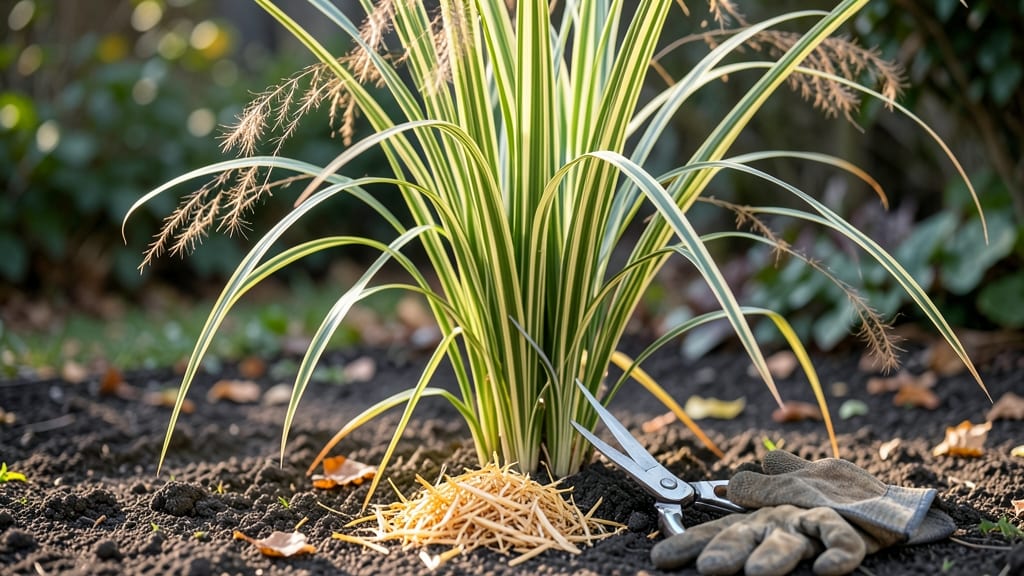
Zebra grass pruning in late winter is the secret weapon for a plant that looks like it just stepped out of a nursery catalog. ✂️ I’ve pruned mine every year since 2018, and the difference in bold, upright canes and vibrant striped foliage is night-and-day—this is how you keep your Miscanthus sinensis 'Zebrinus' thriving for decades.
The key is timing: prune right after the first hard frost when the plant’s gone dormant but before new growth starts. You’ll need sharp pruners or a hedge trimmer, gloves, and a clear day to avoid spreading disease.
Cut back the stems to 6-8 inches tall—no need to get fancy, just even it out. The plant will bounce back with fresh, velvety-green-and-white striped growth by late spring.
What you’ll end up with is a neat, architectural plant that dominates borders with its airy plumes and textured foliage. The pruning also prevents the plant from becoming woody and top-heavy, which is how zebra grass starts to flop over in later years.
Plus, you’ll avoid that sad, brown-and-bare look that happens when people wait until spring.
Works for both container-grown zebra grass and landscaping clumps, and the same method applies whether you’ve got one plant or a whole garden border. Here’s how to do it without turning your yard into a winter cleanup disaster.
📚 In This Guide
- What you need
- Instructions
- Tips and common mistakes
- Wrapping up and next steps
What you need
- ● Pruning shears or loppers: Bypass pruners (sharp, 5-7" blades) for clean cuts. Quantity: 1 pair.
- ○ Hedge shears or long-handled pruners: For larger clumps or thick canes. Quantity: 1 pair (optional if using loppers).
- ● Heavy-duty gloves: Garden gloves with reinforced palms (protects from thorns and sharp edges). Quantity: 1 pair.
- ● Pruning saw: Curved-tooth saw for stubborn, thick stems (diameter > 1 inch). Quantity: 1.
- ● Disinfectant (70% isopropyl alcohol or bleach solution): 1 part bleach to 9 parts water to sterilize tools between cuts (prevents disease spread).
- ● Compost bin or bag: For disposing of pruned debris. Quantity: As needed.
- ● Sturdy trash bags: For non-compostable debris (e.g., diseased canes). Quantity: 2-3.
- ● Knee pads or stool: For comfort during long pruning sessions.
- ● Extension pole pruners: For tall zebra grass clumps (reaches up to 6 feet).
- ● Labeling tags: If dividing clumps—mark new plants for replanting.
- ○ Mulch or wood chips: To protect soil after pruning (optional but great for soil health!).
Step-by-Step guide to pruning zebra grass in late winter
Late winter is the perfect time to refresh your zebra grass—here’s how to encourage lush canes and vibrant blooms.
✂️ Step 1: Assess and Remove Dead or Weak Canes
Start by examining each cane closely. Zebra grass canes are easy to spot—look for those that are brown, brittle, or hollow at the base. These are dead or dying and need removal to redirect energy to healthy growth. I like to grab each cane near the base with my thumb and forefinger and give it a gentle tug. If it comes out easily, it’s dead. If it resists, it’s still alive.
Use clean, sharp pruning shears to cut dead canes at the ground level. Avoid leaving stubs—this prevents disease from lingering. If you’re unsure whether a cane is dead, make a small cut into it. If it’s hollow or crumbly, it’s time to remove it. Real talk: I’ve seen gardeners hesitate to cut back too much, but zebra grass bounces back beautifully with proper pruning.
✂️ Step 2: Trim Back Healthy Canes to Encourage New Growth
Once you’ve removed the dead canes, focus on the healthy ones. Zebra grass thrives when you cut back about one-third of the cane’s height in late winter. This encourages fresh, vigorous growth from the base. I measure the cane from the ground to the top and mark a point roughly 12-18 inches down, depending on the plant’s size. Use your pruning shears to make a clean cut just above a node or bud—this is where new shoots will emerge.
Don’t worry if it looks drastic at first. Zebra grass is resilient, and cutting back stimulates thicker, stronger canes. You’ll see new shoots emerging within 4-6 weeks, signaling that the plant is responding well. If you’re working with multiple clumps, space out the pruning over a few days to avoid shocking the plant all at once.
☀️ Step 3: Clean Up Debris and Fertilize for Spring Growth
After pruning, gather all the clippings and remove them from the area. Leaving debris around can attract pests or harbor fungal spores, which could harm your zebra grass. I like to compost the healthy clippings—just avoid composting any canes that showed signs of disease. Once the area is clear, give the soil a light raking to aerate it and remove any remaining dead material.
Now’s the time to fertilize. Use a balanced, slow-release fertilizer with a ratio like 10-10-10 or 20-20-20. Apply it according to the package instructions, usually spreading it evenly over the root zone and watering it in lightly. This gives your zebra grass the nutrients it needs to recover and grow strong before spring. I also add a handful of compost around the base to boost soil health—this helps retain moisture and provides additional nutrients.
🌱 Step 4: Monitor for New Growth and Adjust as Needed
Over the next few weeks, keep an eye on your zebra grass for signs of new growth. You’ll notice fresh shoots pushing up from the base, and the canes will start to fill out. This is your cue that the pruning was successful. If you see any canes growing at odd angles or leaning, gently guide them upright while they’re still young and flexible. You can also tie them to small stakes if needed to encourage straight, upright growth.
Water the plant deeply once a week, ensuring the soil stays moist but not soggy. Zebra grass prefers well-draining soil, so avoid overwatering, which can lead to root rot. If you notice any yellowing leaves or wilting, it might be a sign of overwatering or nutrient deficiency. Adjust your care routine accordingly—sometimes a little less water or an extra dose of fertilizer is all it takes to get things back on track.
Tips & tricks for pruning zebra grass in late winter
A few well-placed cuts now can transform your zebra grass from scraggly to spectacular by spring. Here's what I've learned after years of pruning mine.
Pruning Shears Matter: Invest in a good pair of bypass pruning shears—anvil-style shears can crush stems, which stresses the plant. I use Felco F-2 pruners because they make clean cuts that heal faster. Sterilize your shears with rubbing alcohol between cuts to prevent spreading disease from any compromised canes you might encounter.
The One-Third Rule: When cutting back healthy canes in Step 2, think of "one-third" as your guidepost—not an exact measurement. For a 3-foot cane, that means cutting at about 12 inches. The key is to leave enough foliage to photosynthesize while still stimulating new growth from the base. If you're unsure, err on the side of slightly less aggressive pruning—zebra grass is forgiving, but over-pruning can set back growth.
Fertilizer Timing: In Step 3, the timing of fertilization matters just as much as the type. Apply your balanced fertilizer right after pruning but before new shoots appear. This gives the plant immediate nutrients to recover from the stress of pruning. I like to mix in a slow-release fertilizer with a quick-release one (like a 10-10-10) for an extra boost. Water thoroughly after applying to help distribute nutrients evenly into the soil.
Growth Monitoring: After pruning, mark the location of your zebra grass clumps with small stakes or flags if you have multiple plants. This helps you track progress and notice when new shoots emerge within those 4-6 weeks. I've found that plants in full sun show new growth faster than those in partial shade—keep this in mind if your blooms seem delayed.
Pro Tips for Zebra Grass Pruning
- A few well-placed cuts now can transform your zebra grass from scraggly to spectacular by spring.
- Pruning Shears Matter: Invest in a good pair of bypass pruning shears—anvil-style shears can crush stems, which stresses the plant.
- The One-Third Rule: When cutting back healthy canes in Step 2, think of "one-third" as your guidepost—not an exact measurement.
Frequently asked questions
Got questions about pruning zebra grass? You’re not alone! Here are answers to the most common concerns to help you tackle late-winter pruning like a pro.
When is the exact best time to prune zebra grass?
The ideal window is late winter (February–March) in most climates, before new growth starts. If you miss it, early spring still works—just avoid pruning after buds swell, or you’ll risk stunted blooms. Pro tip: Check your local frost dates to time it right!
How short can I cut zebra grass without harming it?
Aim to trim back one-third of the plant’s height max. Cutting too aggressively (below 6–12 inches) can stress the plant and reduce next year’s blooms. For mature clumps, focus on removing dead foliage first, then shape gently. Never shear into bare stems!
What if I prune at the wrong time? Can I still save my zebra grass?
Don’t panic! If pruned too early (e.g., winter), the plant may look dormant but will bounce back in spring. Late pruning (after buds appear) can delay blooms, but the grass won’t die. Fix it: Water deeply post-prune and fertilize lightly to encourage recovery.
Do I need to sterilize my pruners between cuts?
Absolutely!
Zebra grass (especially Miscanthus varieties) can harbor fungal spores. Wipe blades with rubbing alcohol or a 10% bleach-water mix between cuts. For large gardens, carry a small spray bottle of disinfectant. Prevention is key to avoiding diseases like rust.
What’s a good alternative if I hate pruning zebra grass?
If maintenance feels overwhelming, opt for low-maintenance grasses like Carex (sedges) or Pennisetum (fountain grass). These thrive with minimal trimming and offer similar texture. For ornamental grasses, Calamagrostis (feather reed grass) is another stunning, forgiving pick!
Wrapping up and next steps
Pruning zebra grass in late winter isn’t just about tidying up—it’s your secret weapon for vibrant canes and showstopping blooms all season! 🌿 By sharpening your tools, timing cuts right, and mastering the art of selective pruning, you’ll set your plants up for a healthier, stronger growth cycle.
Remember, patience and precision pay off in lush, thriving foliage.
Now that you’re armed with the know-how, roll up your sleeves and get pruning! Grab your shears, step outside, and give your zebra grass the care it deserves. Your future blooms will thank you! 🌸