
Pruning
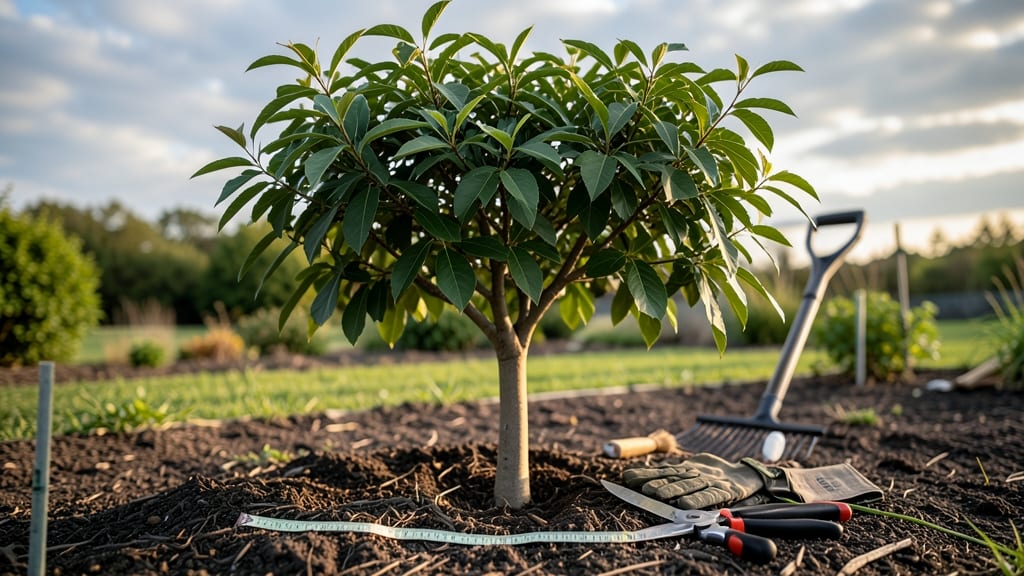
Pruning crepe myrtle into a tree shape transforms it from a wild shrub into a stately, single-trunk showpiece. 🌳 I learned the hard way that timing and technique make all the difference—my first attempt left a lopsided mess, but now my trees stand tall with strong trunks and abundant blooms.
Start with the right tools: clean pruners, loppers for thicker branches, and gloves to protect your hands. The best time to prune is late winter or early spring, just before new growth begins. This gives your plant time to heal before summer heat stress sets in.
You’ll focus on removing lower branches first, working upward to create a natural taper. The goal is to keep the trunk clear for 6-8 feet, leaving side branches only where you want them. Patience is key—don’t rush; let the tree guide you.
By summer’s end, you’ll see the transformation: a single, sturdy trunk with a canopy of blooms. Avoid cutting into old wood (it won’t regrow) and never remove more than 25% of the plant in one season. Here’s how to do it right!
📚 In This Guide
- What you need
- Instructions
- Tips and common mistakes
- Wrapping up and next steps
What you need
- ● Pruning shears: Bypass pruners (for small branches, 1 pair) – look for sharp, ergonomic handles for precision cuts.
- ● Loppers: Long-handled (24-30") (1 pair) – for thicker branches (½" to 2" diameter).
- ● Pruning saw: Curved-tooth or folding saw (1) – for branches over 2" in diameter. Opt for a lightweight, durable model.
- ● Extension pole: Adjustable or telescoping (6-10 ft) (1) – attach loppers or pruners for hard-to-reach branches.
- ● Disinfectant: 70% isopropyl alcohol or bleach solution (1 part bleach to 9 parts water) – to sterilize tools between cuts and prevent disease spread.
- ● Gloves: Heavy-duty, cut-resistant (1 pair) – protects hands from thorns and debris.
- ● Safety glasses: (1 pair) – shields eyes from flying branches or debris.
- ● Rags or paper towels: – for cleaning tools and wiping sap.
- ● Trash bags or bucket: – to collect pruned branches and debris.
- ● Measuring tape: – for assessing branch thickness and spacing.
- ● Pole saw: – for very tall branches beyond your extension pole’s reach.
- ● Ladder: – if your crepe myrtle is over 10 feet tall (ensure it’s stable and rated for your weight).
- ● Tree wound dressing: – Not recommended for crepe myrtles, but if you prefer, use a high-quality, breathable sealant for larger cuts.
- ● Notebook & pen: – to sketch your pruning plan or track progress over time.
- ○ Pruning paint: – Only for cuts over ½" to seal and prevent disease (optional for crepe myrtles).
Step-by-Step instructions for pruning crepe myrtle into a tree
Transform your crepe myrtle from a shrub into a stunning tree with these simple, seasonal steps.
✂️ Step 1: Prune in Late Winter for Structure
Start in late winter or early spring before new growth begins. This is when the plant is dormant and easier to shape. Grab your clean, sharp pruners and remove any dead, crossing, or inward-growing branches first. These are the branches that rub against each other or grow toward the center of the plant—removing them early prevents future damage and improves airflow.
Next, identify the strongest, most upright branch near the base of the plant. This will be your future trunk. Look for a branch that’s thicker than the others and growing straight up. Use your pruners to cut off all other branches at their base, leaving only this one main stem. If your crepe myrtle already has multiple trunks, choose the two strongest and prune the rest down to the ground. This ensures a single, sturdy trunk forms over time.
☀️ Step 2: Summer Maintenance to Encourage Vertical Growth
During the growing season (summer), your crepe myrtle will sprout new branches from the sides of the trunk. This is normal, but you’ll want to guide it toward a tree-like shape. Every 4-6 weeks, inspect the plant and remove any suckers or water sprouts that grow from the base or along the trunk. These are the small, weak branches that pop up and compete with your main structure.
For branches that grow too close to the trunk or cross over the main stem, use your pruners to cut them back to a bud or side branch that’s growing outward. Avoid leaving stubs—always cut just above a leaf node or bud to encourage healthy regrowth. If a branch is too thick to cut with hand pruners, use loppers for a clean cut. This keeps your crepe myrtle looking neat while promoting a single, strong trunk.
⏰ Step 3: Late Summer Pruning for Fall Preparation
In late summer, focus on thinning out the canopy to allow sunlight to reach the lower branches. This step is crucial for maintaining a balanced, tree-like shape. Start by removing any branches that grow downward or inward. These branches can weigh down the plant and create a messy, unstructured look. Cut them back to a healthy outward-facing bud to encourage upward growth.
Next, shorten the longest branches in the canopy by one-third to promote bushier, more compact growth. This prevents the plant from becoming top-heavy and ensures the trunk remains strong. Avoid over-pruning—you’re not trying to drastically reduce the size of the plant, just shaping it for a natural tree form. After pruning, give the plant a deep watering to help it recover and prepare for the dormant season.
✂️ Step 4: Light Winter Pruning for Cleanup
Just before the growing season kicks back in (early spring), do a final cleanup. Remove any dead, diseased, or broken branches that may have appeared over the winter. These branches can harbor pests or diseases and should be disposed of properly (not composted). Also, trim back any shoots that grew too aggressively during the previous season to maintain the tree shape.
This is also a good time to sterilize your pruners with rubbing alcohol to prevent the spread of bacteria or fungi. Wipe down the blades before and after pruning to keep your tools—and your plant—healthy. If you notice any unusual growth or signs of stress, like yellowing leaves or stunted branches, address it now before the growing season begins. A little attention now ensures your crepe myrtle stays strong and beautiful for years to come.
Tips & tricks for perfect crepe myrtle pruning
Transforming your crepe myrtle into a tree takes patience and precision—here's how to avoid common pitfalls and get it right the first time.
Timing is Everything: Late winter or early spring is the absolute best time for that initial structural pruning in Step 1. The plant is dormant, so it won't bleed sap excessively when you make cuts. I've made the mistake of pruning too early in winter when temperatures still dip below freezing—this can stress the plant. Wait until you see consistent daytime temperatures above 40°F before starting. This timing also helps prevent fungal infections that can occur when pruning wet wood.
The Trunk Selection Secret: When choosing your main trunk branch in Step 1, look for one that's at least 1/4 inch in diameter at the base—this gives you the best chance of a sturdy, long-lasting trunk. If you're unsure which branch to keep, do a quick "shake test": Gently shake each candidate branch. The one that feels firmest and springs back most quickly is usually the healthiest choice. I've seen people accidentally keep a weak branch just because it was the first one they spotted, only to have it snap later under the weight of flowers or summer storms.
Summer Maintenance Shortcuts: During the growing season, I've found that marking your crepe myrtle with a small flag or ribbon at the 4-6 week intervals helps you remember when to check for suckers and water sprouts. This visual reminder prevents you from skipping maintenance cycles. When cutting back branches in Step 2, always make your cuts at a 45-degree angle just above a leaf node—this encourages new growth in the right direction. I keep a small notepad by my pruners to jot down which branches I've cut back, so I don't accidentally prune the same spot twice in one season.
Canopy Care: In late summer when you're thinning the canopy (Step 3), remember that sunlight is your friend. Remove branches that cast shade on the lower trunk—this prevents the classic "bare trunk" look that many crepe myrtles develop. The one-third reduction of longest branches might seem drastic, but trust me, it prevents that top-heavy look. After pruning, I always give my plants a deep watering with a slow-release fertilizer to help them recover. This is especially important if you've done significant pruning—think of it as giving your plant a post-workout recovery drink.
Pro Tips for Prune Crepe Myrtle Into A Tree
- Transforming your crepe myrtle into a tree takes patience and precision—here's how to avoid common pitfalls and get it right the first time.
- Timing is Everything: Late winter or early spring is the absolute best time for that initial structural pruning in Step 1.
- The Trunk Selection Secret: When choosing your main trunk branch in Step 1, look for one that's at least 1/4 inch in diameter at the base—this gives you the best chance of a sturdy, long-lasting trunk.
Frequently asked questions
Got questions about transforming your crepe myrtle into a stunning tree-like shape? You’re not alone! Here are answers to the most common concerns—so you can prune with confidence and avoid costly mistakes.
When is the best time to prune crepe myrtle into a tree?
Prune crepe myrtles late winter or early spring (before new growth starts) to encourage natural trunk formation. Avoid pruning in fall or winter in colder climates—this can stimulate tender growth that may freeze. For established trees, light shaping can happen in summer after flowering, but avoid heavy cuts then.
How do I know if I’m pruning too much or too little?
Crepe myrtles thrive on selective pruning. Remove only dead, crossing, or weak branches—never more than 20-30% of the tree’s canopy in one season. Over-pruning stresses the tree, while under-pruning can lead to a bushy, multi-trunk mess. Look for 3-5 main branches spaced evenly up the trunk for a balanced look.
Can I prune crepe myrtle into a tree shape in one season?
While possible, it’s better to spread it over 2-3 years for healthier growth. Focus on removing lower branches in Year 1, shaping the trunk in Year 2, and refining the canopy in Year 3. Rushing can weaken the tree or leave unsightly stubs. Patience pays off with a stronger, more natural structure!
What if my crepe myrtle keeps growing multiple trunks?
If your tree develops multiple trunks, don’t panic—it’s common! To encourage a single trunk, select the strongest, straightest stem and prune the others at the base. Over time, the dominant trunk will thicken, while the weaker ones will fade. For stubborn secondary trunks, cut them back yearly until they stop regrowing.
Do I need special tools to prune crepe myrtle into a tree?
Basic tools suffice! Use sharp pruning shears for small branches, loppers for thicker stems (up to 2 inches), and a pruning saw for larger limbs. A glove set and disinfectant (to prevent disease spread) are also handy. Avoid dull tools—clean cuts heal faster and look professional.
What should I do if my crepe myrtle bleeds sap after pruning?
Sap bleeding (a sticky, watery residue) is normal but can attract pests. To minimize it, prune on a dry day and avoid cutting into the previous year’s growth (focus on newer wood). Seal larger cuts with pruning sealant if needed, but skip it for small cuts—fresh air helps wounds heal faster.
Still unsure? Snap a photo of your crepe myrtle and compare it to pruning guides—you’ll spot issues like overcrowded branches or dead wood faster. Happy pruning!
Wrapping up and next steps
Pruning your crepe myrtle into a stunning tree shape is totally doable with the right timing, tools, and technique! Remember, patience and consistency are key—focus on removing water sprouts, shaping gradually, and avoiding over-pruning.
Once you’ve mastered the basics, your crepe myrtle will reward you with a showstopping trunk and lush blooms for years to come.
Ready to take the next step? Grab your pruners and schedule your first session—whether it’s winter dormancy or early spring. Your future tree awaits! 🌳✨