
Pruning
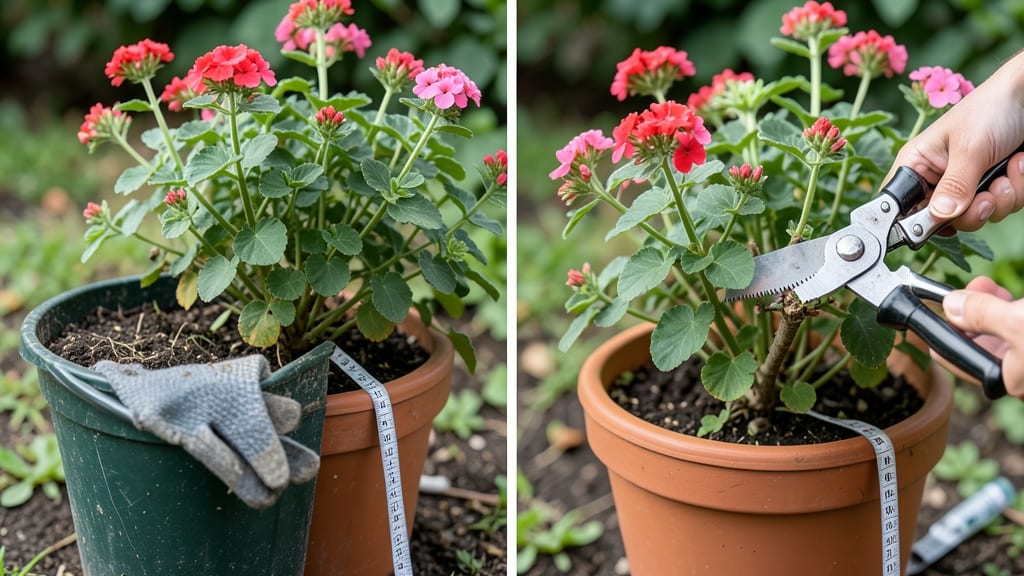
Pruning geraniums for winter isn't just about cutting back—it's about setting them up for a stronger comeback next spring. 🌿 I've learned that skipping this step means weaker stems, fewer blooms, and plants that struggle to bounce back after cold snaps.
The right timing and technique make all the difference, whether you're dealing with tender perennials or hardy annuals.
You'll need sharp pruners, gloves, and a dry workspace to keep things clean. For most geraniums, wait until after the first frost but before hard freezes—usually late fall in most climates. Cut back stems to about 2-3 inches above the soil line, removing any dead or diseased foliage first.
This isn't just about looks; it's about redirecting the plant's energy toward root health during dormancy.
After pruning, let the cuttings dry for a few hours before storing. For tender perennials, dig up the roots and pot them in dry soil or sand, then store them in a cool, dark place.
Annuals can often be composted after pruning—just make sure they're completely dry first. The goal is to wake them up in spring with all their energy intact, ready to burst into color again.
Here's the thing—don't over-prune. Some varieties, like ivy geraniums, handle hard cuts better than others. And if you're in a mild winter zone, you might leave some foliage to protect the crown.
The key is observing your plants and adjusting. Once you master this, your geraniums will reward you with vibrant blooms that start earlier and last longer than ever.
📚 In This Guide
- What you need
- Instructions
- Tips and common mistakes
- Wrapping up and next steps
What you need
- ● Sharp, clean pruning shears – Bypass pruners (4-6" blades) for precision cuts; sterilize with rubbing alcohol before and after use to prevent disease.
- ● Gloves – Heavy-duty gardening gloves (nitrile-coated for grip) to protect against thorns and sap.
- ● Disinfectant spray – 70% isopropyl alcohol or bleach solution (1 part bleach to 9 parts water) for sanitizing tools.
- ● Sharpie or permanent marker – For labeling divided sections if replanting.
- ● Buckets or trays – 2-3 large containers (5+ gallons) for collecting cuttings or dividing roots.
- ○ Pruning saw (optional but helpful) – For thick, woody stems (if your geraniums are mature and overgrown).
- ● Rooting hormone – To boost success if propagating from cuttings.
- ● Plastic bags or damp paper towels – For storing cuttings in a cool, dark place before rooting.
- ● Compost or mulch – To amend soil if dividing and replanting geraniums.
- ● Pruning sealant – (Not always needed for geraniums, but useful for larger cuts to prevent disease.)
- ● Camera or phone – To snap before/after photos of your pruning masterpiece!
Step-by-Step guide to pruning geraniums for winter
Here’s how to give your geraniums a fresh start for next season—no fancy tools needed.
✂️ Step 1: Deadhead Spent Blooms Weekly
Start now by pinching off faded flowers with your fingers or clean pruners. I do this every few days during peak bloom—it keeps energy flowing to new buds instead of seed production. Look for flowers with brown centers or drooping petals; those are ready to go.
Cut just above the next set of healthy leaves or leaf nodes (where new growth emerges). This ensures the plant doesn’t waste energy on dying blooms. If you wait too long, leggy stems will develop, and the plant weakens before winter.
🌿 Step 2: Trim Back Leggy or Overgrown Stems
About 6 weeks before your first frost, assess each plant. Use sharp pruners to cut back one-third of the tallest stems to encourage bushier growth. Focus on stems that look thin, stretched, or bare at the base—these won’t survive winter well.
Make cuts at a 45-degree angle, about ¼ inch above a leaf node or outward-facing bud. This prevents water from pooling and reduces disease risk. Avoid cutting into woody stems—geraniums are tender perennials, not shrubs, so prune only the green growth.
🪴 Step 3: Divide Crowded Plants for Healthier Growth
If your geraniums have outgrown their pots or look congested, divide them in early fall before hard frosts. Gently remove the plant from its container and separate clumps with your hands or a clean knife. Each division should have 3-5 stems and a few roots.
Replant divisions in fresh well-draining potting mix (geraniums hate soggy roots) and water lightly. This refreshes the plant, reduces disease pressure, and gives you extra plants for next year. I always label divisions with the variety—mixed geraniums can look identical until they bloom!
⏰ Step 4: Prepare for Winter Storage
Once temperatures drop below 50°F at night, stop watering. Let the soil dry slightly between waterings to prevent rot. Move pots to a cool, dark place (like a garage or basement) where temps stay between 35-45°F. Avoid freezing—geraniums won’t survive frost.
Check plants monthly for pests or mold. If you see any, isolate the pot and treat with neem oil. In late winter (around 6 weeks before last frost), bring them back into light and resume watering lightly. You’ll see fresh growth within 2-3 weeks—that’s your cue to repot if needed.
💧 Step 5: Revive and Repot in Spring
When you bring geraniums back indoors in spring, trim any black or mushy stems immediately. Repot into fresh potting mix (geraniums deplete nutrients fast) and place in bright, indirect light for a week to acclimate.
Water sparingly at first—overwatering after dormancy is the #1 killer. Once new growth appears (usually 2-3 weeks after repotting), fertilize lightly with a balanced 10-10-10 mix. This jumpstarts their second season with vigor.
Tips & tricks for pruning geraniums for winter
Here's what nobody tells you about keeping your geraniums thriving through the cold months.
Timing is Everything: The 6 weeks before your first frost is your golden window for Step 2 pruning. I learned this the hard way—waiting until frost hits means you're cutting back already weakened stems. Check your local frost dates and mark your calendar, because this timing difference can mean the difference between a bushy plant and a sad, leggy one next spring. If you miss this window, don't panic—just prune as soon as possible and accept slightly less vigorous regrowth.
The Right Tools Matter: Sharp pruners aren't just about ease—they're about plant health. Dull blades crush stems instead of making clean cuts, which invites disease. I keep a small pair of pruners dedicated just to geraniums, and I sharpen them every few uses. For the 45-degree angle cuts in Step 2, I find it helps to practice on scrap paper first to get the feel right—those angled cuts are what prevent water pooling that leads to rot.
Winter Storage Secrets: That 35-45°F range in Step 4 isn't just arbitrary—it's the sweet spot where geraniums stay dormant but don't suffer frost damage. I've had best success with a slightly warmer spot (closer to 45°F) if my basement gets chilly. Place pots on a tray to catch any accidental water spills, and consider adding a humidity tray with pebbles and water underneath to maintain some moisture in the air without overwatering the plants.
Spring Revival Tip: When you bring geraniums back indoors in Step 5, resist the urge to fertilize immediately. The roots need time to recover from dormancy. I wait until I see fresh growth appearing at the base of the stems—usually those 2-3 weeks after repotting—as my signal to start with that light 10-10-10 mix. This patience prevents fertilizer burn on tender new growth.
Pro Tips for Prune Geraniums For Winter
- Here's what nobody tells you about keeping your geraniums thriving through the cold months.
- Timing is Everything: The 6 weeks before your first frost is your golden window for Step 2 pruning.
- The Right Tools Matter: Sharp pruners aren't just about ease—they're about plant health.
Frequently asked questions
Got questions about winterizing your geraniums? You’re not alone! Here are some common concerns—and straightforward answers—to help you keep your plants thriving through the cold months.
When is the best time to prune geraniums for winter?
Prune geraniums after the first frost (or when leaves turn brown) but before hard freezes hit your zone. In most climates, this means late fall—typically October to December. If you’re in a warmer region, wait until late winter or early spring to avoid encouraging new growth too soon.
Can I prune geraniums too late in the season?
Yes, but timing matters! Pruning after a hard freeze can stress the plant, especially if it’s already dormant. If you miss the window, wait until spring to trim back dead foliage. Just avoid heavy pruning until temperatures rise—new growth in cold weather is vulnerable to frost damage.
Should I cut geraniums back to the ground or leave some stems?
For hardy geraniums (like Geranium macrorrhizum), cut back to 2–3 inches above the soil. For tender varieties (like Pelargonium), trim to 6–8 inches. Leaving a few inches of stem helps protect the crown from temperature swings and rot. Pro tip: Use clean, sharp shears to avoid tearing stems!
What if my geraniums look dead after pruning?
Don’t panic! Many geraniums go dormant in winter and may appear lifeless. Store potted plants in a cool, dark place (40–50°F) and check periodically. If mold or rot appears, remove affected parts immediately. In spring, healthy roots will sprout new growth—patience is key!
Can I divide geraniums during winter pruning?
Yes, but it’s best to divide after pruning and before storing for winter. Gently separate clumps with clean tools, ensuring each section has roots and stems. Replant divisions in spring or overwinter them in pots with minimal water. Avoid dividing stressed or diseased plants—wait until they’re healthy!
Wrapping up and next steps
Pruning your geraniums for winter is a simple yet powerful way to ensure they bounce back stronger and more vibrant next spring! By deadheading spent blooms and dividing overgrown clumps, you’re giving your plants the care they deserve—and setting them up for a spectacular comeback. 🌿✨
Now that you’re armed with the know-how, grab those shears and get pruning! Your future blooms will thank you. Ready to take it further? Check out our guide on winterizing container plants to keep your garden thriving all season long.