
Pruning
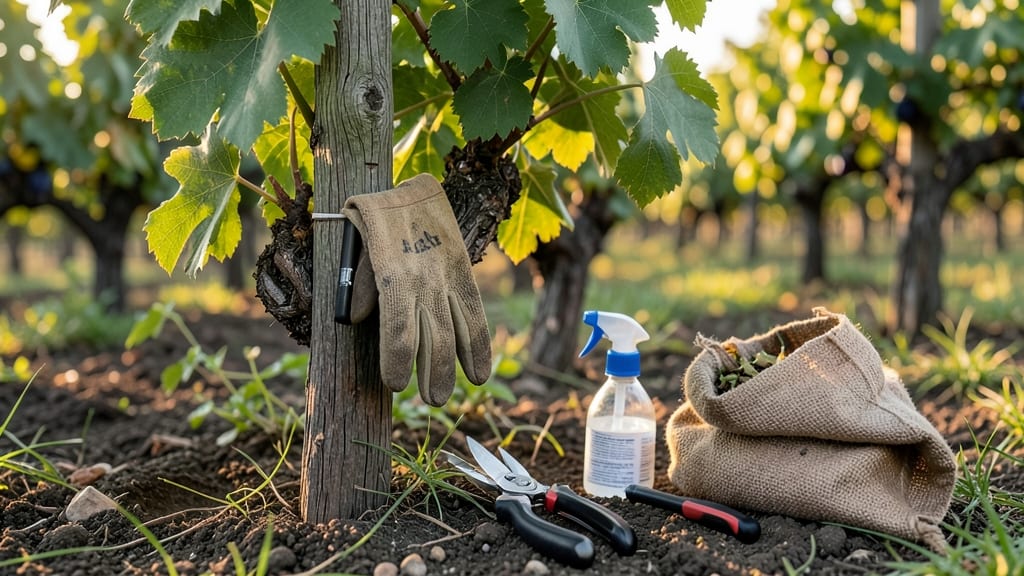
Summer pruning grapes isn’t just about trimming—it’s about giving your vines a second chance to thrive before harvest. 🌿 After years of heavy-handed winter cuts, I learned the hard way that late-season pruning can boost next year’s crop if done right.
The key is working with the vine’s natural growth rhythm, not against it.
Most gardeners skip summer pruning, thinking it’s too late—but that’s exactly when you can shape the vine’s energy. Focus on removing sucker growth (those aggressive shoots at the base) and overly vigorous shoots that steal energy from fruit production.
Use clean, sharp pruners and cut just above a leaf node to encourage healthy regrowth.
You’ll see stronger canes by next spring, with more balanced fruit set and fewer disease-prone areas. The vines recover faster from summer cuts than winter ones, and the fruit develops better flavor. Just avoid pruning during extreme heat or drought—wait for mild, overcast days to minimize stress.
This method works for both table grapes and wine varieties, though timing varies slightly by region. In hot climates, prune in late afternoon to prevent shock.
In cooler areas, early morning cuts let wounds seal faster. Start small—just a few vines—and watch how they respond before committing to full-scale summer pruning.
📚 In This Guide
- What you need
- Instructions
- Tips and common mistakes
- Wrapping up and next steps
What you need
- ● Pruning shears (secateurs) – Sharp, high-quality, bypass-style shears (e.g., Felco F-2 or Corona) for clean cuts. 2-3 pairs recommended if pruning multiple vines.
- ● Loppers – For thicker canes (½"–1" diameter). A 5–7" bypass lopper (e.g., Fiskars) works best.
- ○ Hand pruners (optional) – For small, precise cuts (e.g., Felco F-1). Great for detail work in tight spaces.
- ● Disinfectant (70% isopropyl alcohol or bleach solution) – 1 part bleach to 9 parts water. Wipe tools between cuts to prevent disease spread.
- ● Gloves – Thick, cut-resistant gloves (e.g., Mechanix or gardening gloves) to protect hands from thorns and sap.
- ○ Sharpie or permanent marker – For labeling cuts or marking vines (optional but helpful for tracking progress).
- ● Bucket or trash bag – For collecting pruned canes and debris. A 5-gallon bucket or heavy-duty bag works well.
- ○ Hose or water source – For rinsing tools and cleaning sap off vines (optional but refreshing!).
- ● Pruning saw – For very thick canes (>1" diameter) (e.g., Fiskars 10" pruning saw).
- ○ Grafting tape or rubber tree wrap – For sealing large cuts (optional, but reduces sap loss).
- ● Knee pad or stool – For comfort if vines are tall or ground pruning is needed.
- ● Sunscreen & hat – Summer pruning = sun exposure! Protect yourself while you work.
Instructions for pruning grapes in summer
Summer pruning isn't just about shaping—it's about keeping your vines healthy and productive. Here's how to do it right.
🌿 Step 1: Identify and Remove Sucker Growth
Start by scanning your vines for suckers—those vigorous shoots sprouting from the base or along the trunk. These are nature's way of trying to create new plants, but they drain energy from your fruit-bearing canes. Use sharp pruning shears to cut them off at the base, making the cut clean and angled just above a leaf node.
I like to do this first thing in the morning when the vines are still cool. You'll see suckers most aggressively after a warm spell—don't wait too long, or they'll grow into thick, woody growth that's harder to remove. Watch for new suckers appearing throughout the summer and trim them as soon as they're 3-4 inches tall.
✂️ Step 2: Thin Overcrowded Canes and Clusters
Next, focus on the fruiting canes. If you have more than 4-6 main canes per vine (depending on variety), some need to go. Choose the thickest, healthiest canes that produced the best fruit last year. Cut the rest back to the trunk, making your cuts just outside the bud or joint where the cane meets the trunk.
For fruit clusters, thin them so they're 1-2 inches apart. This might feel counterintuitive—you want more grapes, right? But crowded clusters lead to small, underripe fruit. Snip off excess clusters with clean cuts, leaving only the largest, healthiest ones. Do this when the grapes are still small, around pea-sized.
☀️ Step 3: Open the Vine's Canopy for Better Airflow
Summer pruning is your chance to improve airflow through the vine. Look for areas where leaves and canes are too dense—this creates a humid microclimate perfect for fungal diseases like powdery mildew. Use your pruners to thin out some of the smaller shoots growing inward, creating space between canes.
I aim for a V-shaped opening in the center of the vine, especially if it's a mature plant. This lets sunlight reach the lower leaves and fruit, which improves flavor and ripening. Stop when you can see at least 6-8 inches of space between the main canes—enough to slide your hand through comfortably.
💧 Step 4: Clean Up and Apply Protective Measures
After pruning, gather all the trimmings and remove them from the area. Don't leave them under the vine—this is where diseases and pests hide. Burn or compost them separately if possible. Now's also a good time to check for any signs of disease on the remaining plant and treat with a copper fungicide if you notice spots or powdery residue.
Finally, give the vines a deep watering right after pruning. This helps them recover faster and prevents stress. Watch the soil for 2-3 days to ensure it stays moist but not soggy. If you're in a hot climate, consider applying a 2-3 inch layer of mulch around the base to retain moisture and keep roots cool.
Tips & tricks for pruning grapes in summer
Summer pruning transforms your grapevines from chaotic to controlled—here's how to avoid common mistakes and maximize results.
Timing is Everything: Early morning is ideal for pruning because the vines are still cool and less stressed. I've learned this the hard way—pruning in midday heat can shock the plant, making it more susceptible to disease. If you must prune later, choose a cloudy day to reduce stress on the vines. The goal is to minimize damage while maximizing airflow and sunlight exposure.
The Right Tools Make All the Difference: Sharp pruning shears are non-negotiable—they create clean cuts that heal faster than jagged ones. I keep a pair dedicated just for grapevines, and I sharpen them before each pruning session. For thicker growth, I use loppers, but always sterilize tools with rubbing alcohol between cuts to prevent spreading disease. A small brush for cleaning up debris is also helpful—it keeps your workspace tidy and reduces pest hiding spots.
Visual Cues for Perfect Pruning: When thinning fruit clusters, aim for that 1-2 inch spacing between them. A good trick is to hold your hand up to gauge the distance—your fingers should fit comfortably between clusters. For cane thickness, look for canes that are about pencil-sized (roughly 1/2 inch in diameter). These are the ones that will produce the best fruit next season. If you're unsure, snap a photo of a healthy vine for reference.
Post-Pruning Care: After you've finished pruning, don't just walk away—give your vines some love. A deep watering right after pruning helps them recover faster, and monitoring soil moisture for 2-3 days ensures they don't dry out. In hot climates, that 2-3 inch layer of mulch is a game-changer—it keeps roots cool and conserves moisture. I've seen vines in dry summers nearly wilt without proper mulching, so don't skip this step!
Pro Tips for Prune Grapes In Summer
- Summer pruning transforms your grapevines from chaotic to controlled—here's how to avoid common mistakes and maximize results.
- Timing is Everything: Early morning is ideal for pruning because the vines are still cool and less stressed.
- The Right Tools Make All the Difference: Sharp pruning shears are non-negotiable—they create clean cuts that heal faster than jagged ones.
Frequently asked questions
Got questions about summer grape pruning? You’re not alone! Here are answers to the most common concerns—so you can prune with confidence and keep your vines thriving.
Can I prune grapes in summer if I missed the spring deadline?
Yes! Summer pruning is a great way to correct spring mistakes or manage overgrowth. Focus on removing suckers (shoots growing from the trunk) and water sprouts (vertical shoots from the cordon). Avoid heavy cuts—just trim to encourage airflow and fruit quality. Timing tip: Do this after harvest (late July–August) for best results.
How often should I prune grapes in summer?
Light summer pruning (removing suckers/water sprouts) can happen every 4–6 weeks during the growing season. Heavy pruning (like cane or spur cuts) is a once-per-season task, best done in dormant season. Think of summer pruning as maintenance, not a full overhaul.
What if I prune too much in summer? Will my grapes suffer?
Over-pruning in summer can stress vines, reducing fruit yield or quality. Stick to 20–30% of the vine’s foliage max. If you’ve already trimmed too much, stop and let the vine recover. Next year, prune lightly in spring to compensate. Watch for yellowing leaves—a sign of stress.
Should I prune grapes differently for table vs. wine varieties?
Both types follow the same basic rules, but wine grapes often need more aggressive summer pruning to improve flavor and reduce disease risk. Table grapes may benefit from less pruning to boost fruit size. Focus on air circulation for both—just adjust intensity based on your goal.
What’s the fastest way to tell if I’m pruning correctly?
Healthy vines after summer pruning should have:
- 3–5 main shoots per cordon (not crowded).
- Green, vibrant leaves (no brown or curled edges).
- Even fruit clusters (not all on one side).
Wrapping up and next steps
Pruning grapes in summer isn’t just about shaping your vines—it’s about boosting next year’s harvest while keeping your plants healthy and productive. By removing excess growth, improving airflow, and encouraging stronger canes, you’ll set the stage for sweeter, more abundant fruit.
Now that you’re armed with the right techniques and tools, take action—grab your pruners and give your grapevines the care they deserve!
Ready to see your vines thrive? Start small—pick one section of your vineyard this week and practice your new skills. Over time, you’ll master the art of summer pruning and enjoy a bountiful harvest for years to come! 🍇✨