
How To
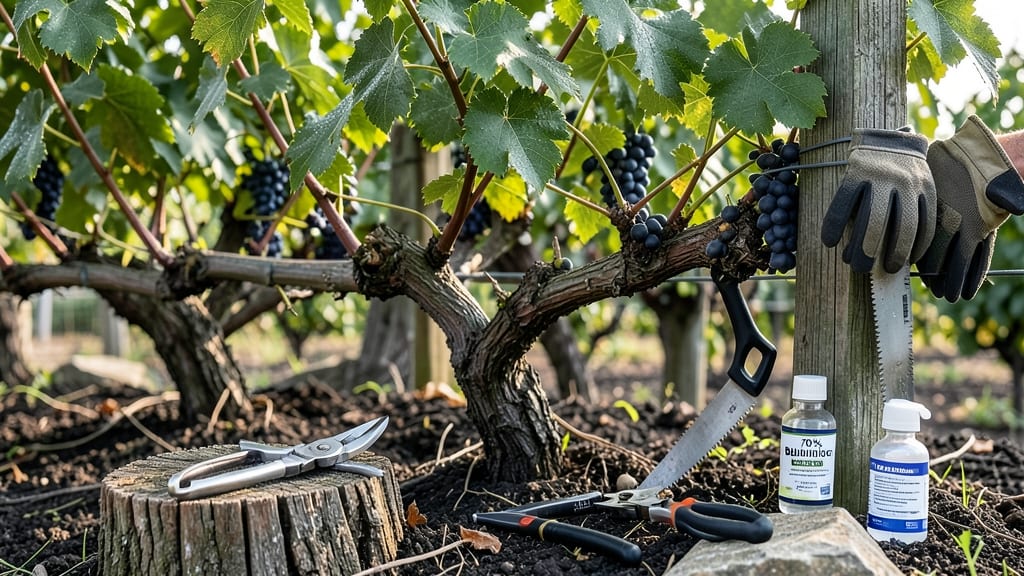
Pruning muscadine vines transforms tangled messes into high-producing, disease-resistant powerhouses—and the best time to start is right after harvest. 🌿 I’ve pruned these vines for years, and the difference between a neglected tangle and a structured, fruit-loaded vine is all in the cuts.
The key? Timing, tools, and knowing which growth to encourage (or remove). You’ll need sharp pruners, gloves, and a clear day to assess the vine’s structure. The goal is to open up the center for sunlight and air, while keeping the strongest canes that bear the best fruit.
One wrong cut can set you back a whole season, so we’ll focus on the three essential techniques that work every time—no guesswork required.
📚 In This Guide
- What you need
- Instructions
- Tips and common mistakes
- Wrapping up and next steps
What you need
- ● Pruning shears: Bypass shears (for clean cuts) or anvil shears (for thicker branches). Look for sharp, stainless-steel blades (5–7 inches long) to avoid crushing stems.
- ● Loppers: 1–2 pairs (for branches ½–1.5 inches thick). Choose ratcheting or bypass loppers for precision.
- ● Pruning saw: 1 handheld saw (for branches thicker than 1.5 inches). A bow saw or folding pruning saw works best.
- ● Gloves: 1–2 pairs of cut-resistant, heavy-duty gloves (muscadine thorns are notorious!). Opt for gardening gloves with reinforced palms.
- ● Disinfectant: Rubbing alcohol (70%+) or a 10% bleach solution (to sterilize tools between cuts and prevent disease spread).
- ● Twine or zip ties: 50+ feet (for securing branches to trellises or supports). Use jute twine or plastic-coated ties.
- ● Trellis or support system: Existing or newly installed (if reshaping vines). Ensure it’s sturdy and spaced 3–6 feet apart for muscadine growth.
- ● Extension pole: A 3–6 foot telescoping pole with a saw or shears attachment (for hard-to-reach branches).
- ● Ladder: Lightweight step ladder (6–8 feet tall) if vines are high off the ground.
- ● Marking spray: Non-toxic paint or spray (to mark branches for removal before cutting).
- ○ Pruning sealant: Optional wound dressing (like Tanglefoot Tree Wound Pruning Seal) for large cuts, though muscadines often heal fine without it.
- ● Safety glasses: Protect your eyes from debris, especially when using a saw.
- ● Timing: Prune during dormant season (late winter/early spring) for best results. Avoid pruning in wet or freezing conditions.
- ● Weather check: Choose a dry, overcast day to minimize stress on the vine.
- ● Research your variety: Some muscadine types (like ‘Scuppernong’) respond better to open-center pruning, while others thrive with cordon training. Know your vine’s history!
- ● Safety first: Wear long sleeves/pants to avoid thorns and watch for wildlife (like snakes or bees) in dense vines.
Step-by-Step instructions for pruning muscadine vines
Master this seasonal approach and your vines will reward you with stronger growth and bigger fruit harvests.
✂️ Step 1: Winter Pruning for Structure and Airflow
Start in late winter or early spring before buds swell but before new growth begins. Muscadine vines need aggressive pruning to control vigor and improve fruit quality—this is the time to remove up to 70% of last year's growth. Use clean, sharp pruners to make cuts just above a bud or lateral branch, angled slightly downward to prevent water pooling.
Remove all dead, diseased, or crossing branches first. These compete with healthy growth and harbor pests. Look for branches that rub against each other—they'll create wounds that invite rot. I always prune on a dry day to reduce sap bleeding, which can attract insects and slow healing.
🌱 Step 2: Summer Pruning to Encourage Fruit Production
After the main fruiting season, typically in late summer, focus on shaping the vine and promoting next year's crop. Remove any suckers growing from the base—they drain energy from the main vine. Thin out overcrowded canes to improve sunlight penetration and airflow, which reduces humidity and fungal diseases like black rot.
Leave 4-6 strong canes per vine as your framework. These will bear fruit next season. Cut back any overly vigorous shoots that are growing straight up—these rarely produce fruit. You'll see new lateral buds forming within weeks of pruning, signaling the vine is redirecting energy to fruit production.
⏰ Step 3: Post-Harvest Maintenance for Long-Term Health
After harvest in late summer or early fall, give your vines a light pruning to remove any remaining fruit clusters and any branches that produced poor-quality fruit. This redirects the vine's energy toward root development and next year's growth. Remove any branches that grew excessively during the season—these often produce small, poor-quality fruit.
This is also the time to check for any signs of disease or pest damage. Sterilize your pruners with rubbing alcohol between cuts if you notice any infections. I always make a habit of sanitizing tools after each vine to prevent cross-contamination. The goal is to end the season with a clean, healthy framework ready for winter.
☀️ Step 4: Seasonal Adjustments for Different Climates
In warmer climates, you can perform light pruning throughout the year to control growth and shape the vine. Focus on removing any water sprouts or suckers that appear after heavy rains. In colder regions, delay winter pruning until after the last frost to avoid damaging new growth.
Watch for new growth patterns—if your vines consistently produce more fruit on certain branches, you'll want to maintain those canes and prune others more aggressively. Muscadines respond well to consistent pruning, so don't be afraid to make bold cuts. The key is balance: too little pruning leads to dense, unproductive growth, while over-pruning reduces next year's harvest.
Tips & tricks for pruning muscadine vines
Don't let common pruning mistakes turn your vineyard into a tangled mess—these insights will help you shape your vines like a pro.
Tool Prep is Everything: Before you begin, sharpen your pruners and sterilize them with rubbing alcohol. Dull blades tear wood fibers, creating jagged cuts that heal poorly and invite disease. I keep a small bottle of alcohol in my pruning kit and wipe down blades between each vine to prevent cross-contamination of potential pathogens. For larger branches, use loppers with bypass blades—they make cleaner cuts that heal faster.
Winter Pruning Precision: When removing up to 70% of last year's growth in Step 1, focus on maintaining an open center. This creates better airflow and sunlight penetration, which is critical for preventing fungal diseases like black rot. Look for branches that grow inward—they'll create a dense canopy that traps moisture. Cut just above a bud or lateral branch at a 45-degree angle to prevent water pooling, which can lead to rot.
Framework Maintenance: The 4-6 strong canes you leave during summer pruning (Step 2) should be your priority for next year's harvest. These should be 1-2 years old, with a diameter of about pencil thickness. Younger canes produce smaller fruit, while older wood becomes woody and less productive. Mark these framework canes with colored tape if you're unsure which ones you pruned last year—it'll save you confusion come winter.
Seasonal Adjustments: In warmer climates, you can perform light maintenance pruning throughout the year to control growth. Focus on removing water sprouts that appear after heavy rains—these are fast-growing shoots that drain energy from fruit production. In colder regions, wait until after the last frost before winter pruning to avoid damaging new growth that might emerge early. Watch your vines closely in spring—they'll tell you when they're ready for aggressive pruning through new bud swell.
Pro Tips for Prune Muscadine Vines
- Don't let common pruning mistakes turn your vineyard into a tangled mess—these insights will help you shape your vines like a pro.
- Tool Prep is Everything: Before you begin, sharpen your pruners and sterilize them with rubbing alcohol.
- Winter Pruning Precision: When removing up to 70% of last year's growth in Step 1, focus on maintaining an open center.
Frequently asked questions
Got questions about pruning muscadine vines? You’re not alone! Here are some of the most common concerns—and straightforward answers—to help you prune like a pro.
When is the best time to prune muscadine vines?
Prune muscadine vines in late winter or early spring (before buds swell) for optimal growth. You can also do a light summer pruning to remove dead or overcrowded branches, but avoid heavy cuts during active growing seasons. Pro tip: If you live in a warm climate, prune in dormant season (Dec–Feb) to prevent disease spread.
How much should I cut back muscadine vines?
Remove about 1/3 of the oldest, thickest canes each year to encourage new growth. Keep 6–12 strong, healthy canes per vine (depending on age). Avoid over-pruning—muscadines thrive on balance! Watch out: Never cut more than 25–30% of the vine’s total canes in one go, or you risk reducing fruit production.
Will pruning reduce my muscadine harvest?
Not if done correctly! Pruning actually boosts fruit quality and quantity by redirecting energy to younger, more productive canes. However, over-pruning (cutting too aggressively) can temporarily reduce yield. Focus on removing weak or diseased wood and maintaining an open canopy for sunlight—your grapes (and future harvests) will thank you!
What if my muscadine vines aren’t fruiting after pruning?
Check these common issues:
- Insufficient sunlight: Thin canes to improve air circulation and light exposure.
- Improper timing: Prune in dormant season (not summer) for best results.
- Nutrient deficiency: Amend soil with compost or use a balanced fertilizer in early spring.
- Young vines: Muscadines often take 2–3 years to mature and fruit heavily.
Can I prune muscadines without shears?
While sharp pruners or loppers are ideal, you can use clean, disinfected hand tools like:
- A pruning saw for thick canes (1+ inch diameter).
- A knife or hedge trimmer for smaller branches (sanitize between cuts!).
Wrapping up and next steps
Pruning muscadine vines might seem daunting at first, but with the right tools, timing, and technique, you’ll keep your vines healthy, productive, and easy to manage. 🌱 Whether you’re trimming for fruit yield, shaping for aesthetics, or maintaining vigor, consistency is key—so grab those shears and get pruning!
Your future harvest (and neighbors’ envy) will thank you.
Ready to take it further? Experiment with training methods or explore organic pest control to protect your vines long-term. Happy gardening!