
Pruning
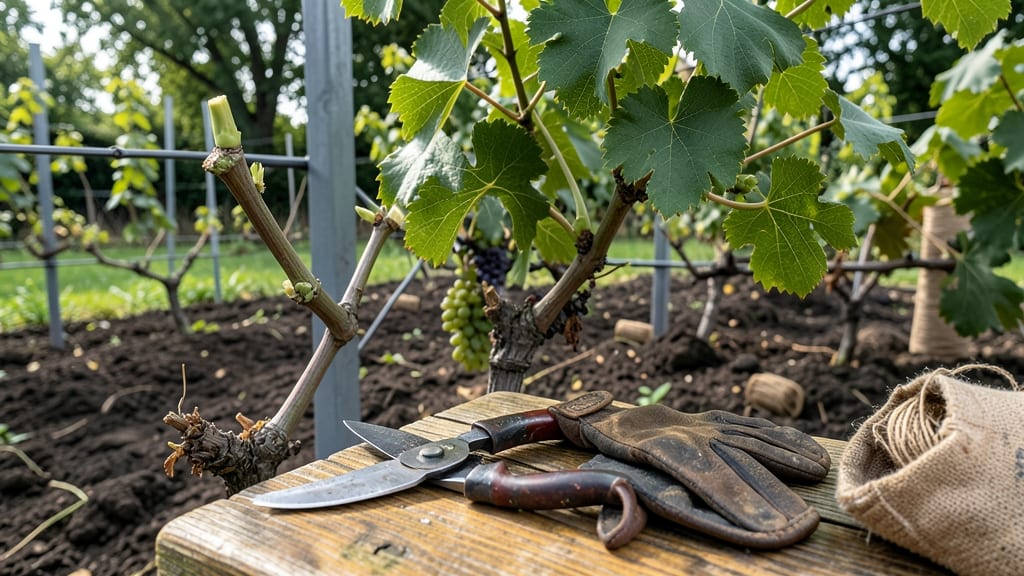
Pruned grape vines transform from tangled messes into productive, fruit-laden trellises—if you time it right. 🌿 I’ve spent years watching vines go from chaotic to controlled, and the secret lies in knowing when to cut, what to cut, and why.
A single misstep can mean fewer grapes or even no harvest, but get it right and you’ll enjoy juicier fruit, better shape, and fewer diseases every season.
The best time to prune depends on your climate: in dormant season (late winter/early spring), when vines are bare, or in summer for light maintenance. You’ll need sharp pruners, a trellis, and patience—no rushing.
The goal is to train the vine to focus energy on fruit production, not wild, unruly growth. Table grapes need one method, wine grapes another, and raisin varieties yet another.
By summer’s end, your vines will look like an artist’s sketch—clean lines, open branches, and just enough leaves to feed the fruit. The air circulates better, pests have fewer hiding spots, and sunlight reaches every cluster.
It’s the difference between a handful of grapes and a bountiful harvest that makes neighbors ask for cuttings. Works for backyard vines, commercial plots, or even container-grown grapes. Let’s get those pruners sharp and turn tangled vines into fruit machines.
📚 In This Guide
- What you need
- Instructions
- Tips and common mistakes
- Wrapping up and next steps
What you need
- ● Pruning shears: Bypass pruners (for clean cuts, 5–8" blades) – 1 pair
- ● Loppers: Long-handled (30–36") for thicker branches – 1 pair
- ● Pruning saw: Curved-tooth blade for stubborn wood (20–24" length) – 1
- ● Gloves: Heavy-duty, cut-resistant (gardening or pruning-specific) – 1 pair
- ● Disinfectant: 70% isopropyl alcohol or bleach solution (1:9 water ratio) – Small spray bottle
- ● Twine or zip ties: For temporary support – 1 roll
- ○ Marking twine or flags: Optional, for labeling cuts – Small pack
- ● Pruning sealant: For large cuts (3"+ diameter) – Small tube
- ● Ladder or step stool: For high vines (6–10 ft) – 1
- ● Notebook & pen: To sketch vine structure or track progress – 1
- ● Safety glasses: If debris is a concern – 1 pair
- ● Vine training wires: For post-pruning support – Gauge 12–14
Step-by-Step instructions for pruning grape vines
Here's how I keep my grapevines productive and healthy year after year—no fancy tools needed.
✂️ Step 1: Prune Dormant Vines in Late Winter
Wait until late winter when the vines are completely dormant—typically 2-3 weeks before your last frost date. This timing prevents early bud break and ensures you're cutting back after the plant's energy has fully retreated. I look for brown, brittle canes with no signs of green growth or swelling buds.
Start by removing any dead, damaged, or diseased canes first. These are easy to spot—they're either completely blackened or hollow when cut open. Next, cut back last year's growth to 4-6 buds from the base of the vine. This encourages strong new growth while maintaining the vine's structure. Use clean, sharp pruners to make 45-degree angled cuts just above a bud to prevent water from pooling and causing rot.
🌿 Step 2: Train New Growth During Spring
Once new shoots emerge in spring—usually 4-6 weeks after pruning—let them grow until they reach 12-18 inches tall. This is when you'll see 5-7 leaves fully unfurled. At this point, select the 2-3 strongest, most vigorous shoots per vine and tie them to the trellis or support structure using soft garden twine.
Remove any weaker shoots at the base to redirect the vine's energy into the chosen leaders. I always leave a few extra buds along the main stems to encourage lateral branches later in the season. These will become your fruit-bearing arms. Watch for suckers—those are the small shoots growing below the graft union or from the base of the vine—and remove them immediately. They drain energy from your fruit production.
☀️ Step 3: Summer Pruning for Airflow and Fruit
When your vines are in full leaf—around late June or early July—it's time for summer pruning. This is all about air circulation and sunlight exposure. Look for shoots that are growing inward or crossing over other canes. These compete for sunlight and reduce airflow, which can lead to fungal diseases like powdery mildew.
Trim back any shoots that are growing toward the center of the vine or rubbing against others. Cut just above a leaf node where new growth can emerge. You'll also want to pinch off the tips of vigorous shoots to encourage bushier growth and more fruit clusters. Stop pruning by mid-July to allow the remaining shoots to harden off before winter. You'll see small fruit clusters forming at the leaf nodes—these are your future harvest!
⏰ Step 4: Light Post-Harvest Pruning
After harvest—typically late September or October—do a quick cleanup. Remove any remaining fruit clusters, dead leaves, or canes that didn't produce well. This reduces disease pressure over winter. I also check for any shoots that grew too vigorously and didn't have time to mature properly. These can be pruned back to encourage stronger growth next year.
This isn't a heavy pruning session—just a tidy-up to prepare the vine for dormancy. Avoid any major cuts now, as the plant needs to focus on storing energy for next season. If you notice any wounds or cuts from earlier pruning that haven't healed, apply a thin layer of pruning sealant to protect them. Most grapevines heal well on their own, but a little extra care in fall goes a long way.
Tips & tricks for pruned grape vines
Here's what nobody tells you about keeping your grapevines thriving after the initial prune—these little details make all the difference.
Timing is Everything: The 2-3 week window before your last frost is critical for Step 1 pruning. If you're unsure about your frost date, check your local USDA hardiness zone map. I've learned the hard way that pruning too early can trigger premature budding, while waiting too long risks frost damage to tender new growth. Mark your calendar now—trust me, you'll thank yourself in spring.
Bud Count Matters: When cutting back to 4-6 buds in Step 1, count carefully—each bud has the potential to become a new cane. Too few buds means limited fruit production next year, while too many can lead to overcrowding and weaker vines. I always count twice to be sure. For young vines, aim for the lower end (4 buds), while established vines can handle 5-6 buds without stress.
Summer Pruning Visual Cues: In Step 3, look for these key signs when deciding which shoots to trim: inward-growing shoots will have leaves pointing toward the vine's center, while crossing canes will have leaves touching or overlapping. These are your targets for better airflow. Also, pinch off tips when you see new growth emerging from leaf nodes—this encourages bushier growth and more fruit clusters. Think of it like training a plant to be more productive!
Fall Cleanup Strategy: After harvest, focus on removing anything that could harbor disease over winter. I make it a habit to sterilize my pruners with rubbing alcohol between cuts during this cleanup. For any larger wounds, a thin layer of pruning sealant can prevent infection, though most grapevines heal well on their own. This light pruning in Step 4 is your vine's chance to rest and store energy for next season's bounty.
Pro Tips for Pruned Grape Vines
- Here's what nobody tells you about keeping your grapevines thriving after the initial prune—these little details make all the difference.
- Timing is Everything: The 2-3 week window before your last frost is critical for Step 1 pruning.
- Bud Count Matters: When cutting back to 4-6 buds in Step 1, count carefully—each bud has the potential to become a new cane.
Frequently asked questions
Got questions about pruning grape vines? You’re not alone! Here are answers to the most common queries to help you master the process like a pro.
When is the best time to prune grape vines?
The ideal time depends on your climate and grape variety. In warm climates, prune in late winter or early spring (before buds swell). In cooler regions, wait until late winter when the ground is thawed but before active growth begins. Avoid pruning in fall—it can leave wounds vulnerable to disease.
How much should I cut back grape vines each year?
Prune to remove 1/3 to 1/2 of last year’s growth, focusing on:
- Dead or diseased wood (cut back to healthy tissue).
- Overcrowded canes (keep 4–8 strong canes per vine for most varieties).
- Suckers and water sprouts (remove these as they grow).
Can I prune grape vines in summer?
Summer pruning (called green pruning) is possible but not recommended for beginners. It involves trimming leafy shoots to improve fruit size and airflow, but timing is critical—do it after flowering (6–8 weeks post-bloom). Avoid heavy cuts; focus on shaping and removing excessive growth. Disinfect tools to prevent disease spread!
What if I prune at the wrong time?
Pruning too early (in freezing temps) can damage buds, while late pruning (after buds swell) stresses the vine. If you miss the window, wait until the next dormant season. Over-pruning can reduce yield, but under-pruning leads to crowded vines and poor fruit quality. Start conservatively—you can always prune more next year!
Are there alternatives to traditional pruning?
Yes! For organic growers, try:
- Topiary shaping (training vines along trellises or arches).
- Canopy management (removing leaves around fruit clusters for sunlight).
- Renovating old vines (gradual replacement of canes over 2–3 years).
Wrapping up and next steps
Pruning your grape vines doesn’t have to be a seasonal chore—it’s a year-round investment in healthier plants and sweeter fruit! 🍇 Whether you’re trimming for shape, boosting airflow, or preparing for winter, the right techniques will reward you with vibrant growth and bountiful harvests.
Now that you’re armed with the best tools, timing, and tips, there’s no better time to roll up your sleeves and get pruning.
Start small—pick one vine this weekend and practice your cuts. Before you know it, you’ll be a pruning pro, and your grapevines will thank you with stronger canes, fewer pests, and fruit so plentiful, you’ll wonder why you waited so long! 🌱✨