
Pruning
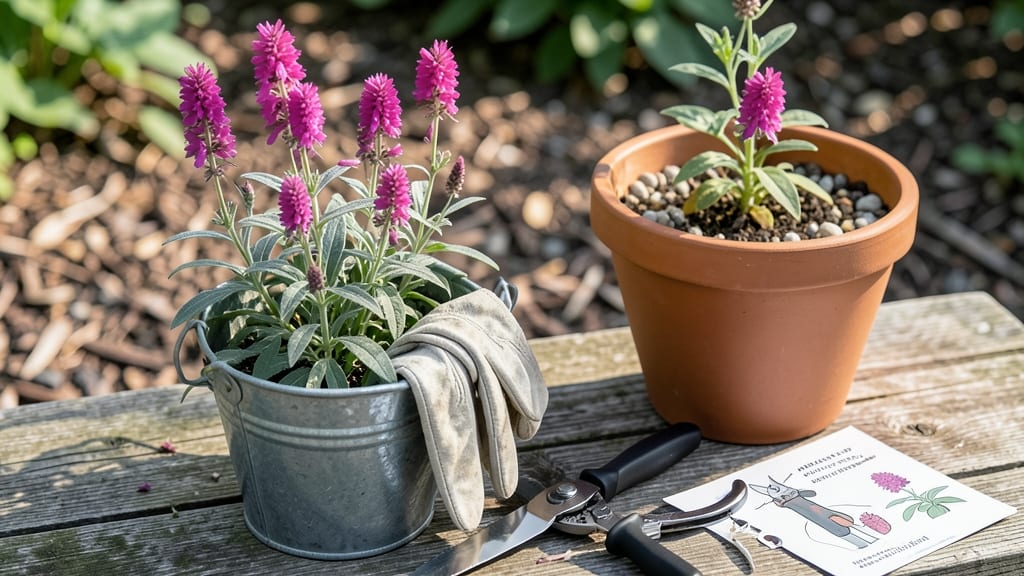
Pruning penstemon at the right time transforms a one-time summer bloom into a season-long floral show. ✨ I learned this the hard way—my first attempt in late summer left me with bare stems and no second flush of flowers.
The secret lies in understanding when to cut (spring or fall, never mid-summer) and how to shape the plant to encourage bushier growth. You’ll need just three tools: sharp pruners, gloves, and a small bucket for clippings.
The process takes 10-15 minutes per plant, and the difference in blooms is dramatic—think three times more flowers than unpruned plants. Start by removing dead or crossing branches first, then trim back leggy stems by one-third to promote branching.
After pruning, your penstemon will reward you with sturdy new growth within weeks, followed by a second wave of blooms in late summer. The key is patience—avoid heavy pruning in summer, as this stresses the plant when it’s already flowering. Water well after cutting to help recovery.
This technique works for both perennial and annual penstemon varieties, though perennials benefit most from fall pruning to clean up before winter. Master this, and you’ll have penstemon blooming from early summer through frost.
📚 In This Guide
- What you need
- Instructions
- Tips and common mistakes
- Wrapping up and next steps
What you need
- ● Bypass pruners: Sharp, clean pruners with 4- to 6-inch blades (for small stems). Avoid dull tools—they crush stems instead of cutting cleanly!
- ● Loppers: For thicker stems (over ½-inch diameter), use bypass loppers with a 6- to 8-inch blade for leverage.
- ● Disinfectant: 70% isopropyl alcohol or a 10% bleach solution (1 part bleach to 9 parts water) to sterilize tools between cuts and prevent disease.
- ● Gloves: Garden gloves (nitrile or leather) to protect your hands from thorns (some Penstemon varieties have them!) and dirt.
- ○ Garden twine or ties: (Optional but helpful) For securing large branches post-pruning if needed.
- ● Trash bag: A heavy-duty bag (13-gallon or larger) to collect pruned debris and compost later.
- ● Water: A hose or watering can to rinse tools and refresh the plant post-pruning.
- ● Hand pruners: For tiny stems or detailed work (e.g., deadheading spent blooms).
- ● Pruning saw: If your Penstemon has thick, woody stems (rare, but some mature plants do).
- ● Plant marker or tags: To label pruned sections if you’re experimenting with different techniques.
- ● Compost bin: For repurposing healthy pruned material (avoid diseased or pest-infested parts!).
Step-by-Step guide to pruning penstemon for prolonged blooms
Penstemon thrives with the right cuts—here’s how to shape it for vibrant, extended flowering.
✂️ Step 1: Identify the Right Time for Pruning
Prune penstemon twice yearly: first in early spring (just as new growth emerges) and again in late summer (after the first flush of blooms fades). Early spring pruning removes dead stems and encourages fresh, vigorous growth, while late summer pruning redirects energy into a second round of flowers. Avoid pruning in fall or winter—penstemon needs its stems to protect the crown through dormancy.
Look for woody, brown stems in spring—they’re ready to go. In late summer, cut back stems that have finished blooming but still have green leaves remaining. Never prune when buds are actively opening; you’ll sacrifice that season’s display.
✂️ Step 2: Use the Right Tools and Technique
Grab a pair of clean, sharp pruning shears—dull blades crush stems and invite disease. Disinfect your tools with rubbing alcohol before and after use, especially if you’ve pruned other plants. For penstemon, make cuts just above a leaf node or lateral bud, angling the cut slightly downward to prevent water from pooling. This ensures new growth emerges from the correct spot.
For deadheading (removing spent blooms), pinch or snip stems back to the nearest set of leaves or bud. Avoid cutting into old wood—penstemon blooms on new growth, so you’re essentially pruning for next season’s flowers. If you’re pruning for shape, reduce stems by one-third or less to avoid stressing the plant.
🌿 Step 3: Prune for Shape and Airflow
Step back and assess the plant’s structure. Penstemon naturally grows in a mounded or upright habit, so aim to maintain that shape while thinning out crowded stems. Remove any that rub against neighbors or grow inward—they’ll compete for light and nutrients. Focus on creating an open center to improve airflow, which reduces humidity and fungal risks.
For trailing varieties, gently guide stems along the ground or a trellis, pruning back leggy growth to encourage bushier habits. You’ll know you’ve pruned correctly when the plant looks fuller at the base and stems are evenly spaced. Avoid over-pruning—penstemon is resilient but can become leggy if cut back too aggressively.
💧 Step 4: Post-Pruning Care for Recovery
Water the penstemon deeply after pruning to help it recover, especially if you’ve cut back a significant portion of the plant. The soil should be moist to a depth of 4-6 inches, but avoid soggy conditions—penstemon roots rot easily in waterlogged soil. Mulch lightly with 2-3 inches of organic mulch (like shredded bark) to retain moisture and regulate soil temperature.
Hold off on fertilizing for 4-6 weeks post-pruning. The plant needs time to redirect energy into new growth rather than producing leaves. If you notice yellowing leaves or stunted growth afterward, reduce water slightly—penstemon often reacts to stress by wilting, but it usually recovers once established.
Tips & tricks for pruning penstemon like a pro
There's an art to pruning penstemon that keeps it blooming beautifully year after year—here's how to get it right every time.
Timing Secret: In Step 1, when you're pruning in late summer, focus on cutting back stems that have finished blooming but still have green leaves. This is crucial because you're essentially telling the plant, "Redirect your energy here for next season's flowers." I've seen gardeners accidentally prune stems with buds still opening, and it's like sacrificing next year's show for this year's display—don't make that mistake! The key is to wait until the blooms have faded but the stems still have vitality.
Technique Tip: For Step 2, when making your cuts, pay special attention to the angle. Cutting just above a leaf node or lateral bud at a slight downward angle prevents water from pooling on the cut surface. This simple technique reduces the risk of fungal infections that can creep in through standing water. I've learned this the hard way after seeing penstemon plants develop brown, mushy stems from improper cuts—it's a heartbreaking sight when you've put so much care into your garden.
Shape Strategy: In Step 3, when assessing your plant's structure, remember that penstemon naturally grows in a mounded or upright habit. The goal is to maintain that shape while creating an open center. Think of it like sculpting—you're removing stems that compete for light and nutrients, allowing the plant to focus its energy where it counts. I always step back and mentally visualize the plant's final shape before making any cuts, and it makes all the difference in the world.
Recovery Wisdom: After pruning, especially when you've cut back a significant portion in Step 4, water deeply to help the plant recover. The soil should be moist to a depth of 4-6 inches, but avoid creating soggy conditions. This is where I see many gardeners go wrong—they either don't water enough or overdo it. Penstemon roots are particularly susceptible to rot, so finding that balance is key. A light layer of organic mulch will help regulate soil temperature and retain moisture without suffocating the plant.
Pro Tips for Prune Penstemon
- There's an art to pruning penstemon that keeps it blooming beautifully year after year—here's how to get it right every time.
- Timing Secret: In Step 1, when you're pruning in late summer, focus on cutting back stems that have finished blooming but still have green leaves.
- Technique Tip: For Step 2, when making your cuts, pay special attention to the angle.
Frequently asked questions
Got questions about pruning your Penstemon? You’re not alone! Here are answers to the most common concerns—from timing to troubleshooting—to keep your plants thriving and blooming beautifully.
When is the best time to prune Penstemon?
Prune Penstemon in early spring (before new growth starts) or right after the first flush of blooms in late spring. Avoid pruning in fall or winter, as cold weather can stress the plant. If deadheading spent flowers, do it throughout the blooming season to encourage more flowers!
How much should I cut back my Penstemon?
For most varieties, trim back one-third of the plant’s height to promote bushier growth. Avoid over-pruning—cutting too aggressively can reduce flowering. Perennial types may need a harder cut back, while woody stems (like Penstemon barbatus) benefit from lighter trims to maintain shape.
What if I prune at the wrong time?
Pruning too late in the season (fall/winter) can leave stems vulnerable to frost damage. If you accidentally prune in late summer, stop cutting and let the plant recover. Over-pruning in spring may delay blooms, but the plant will often bounce back with proper care in the following season.
Can I prune Penstemon to encourage more flowers?
Yes! Deadheading spent blooms regularly (pinching off faded flowers) redirects energy to new growth. For a bigger impact, prune back leggy stems after the first bloom cycle to trigger a second flush of flowers. Just avoid heavy cuts—focus on shaping and removing dead growth.
What if my Penstemon looks sad after pruning?
If your plant looks wilted or stressed post-prune, water deeply and fertilize lightly with a balanced, water-soluble fertilizer. Most Penstemon varieties recover quickly, especially in well-draining soil. Avoid pruning during heatwaves—opt for cooler mornings to reduce shock.
Wrapping up and next steps
Pruning your Penstemon is a simple yet rewarding task that keeps your garden vibrant and full of life! 🌸 By following the right timing—early spring or right after blooming—and using sharp tools, you’ll encourage healthier growth and longer, more abundant blooms.
Remember, a little care goes a long way, so don’t hesitate to roll up your sleeves and give your plants the attention they deserve.
Ready to take your pruning skills to the next level? Explore more tips on maintaining your garden’s beauty—like deadheading, fertilizing, or even propagating your favorite Penstemon varieties!