
How To
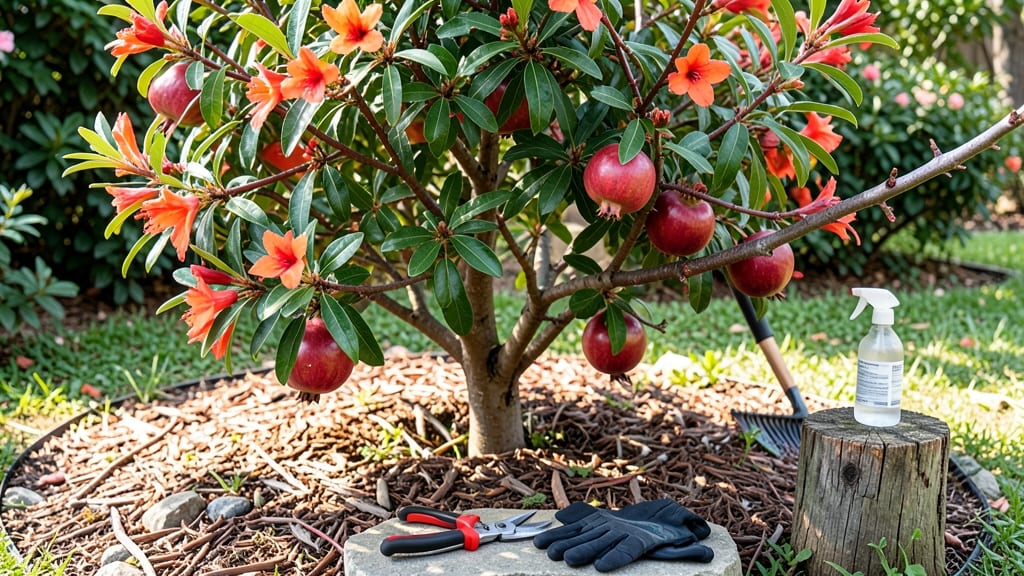
Pruning a pomegranate tree in late winter transforms it from a tangled mess into a fruit-producing powerhouse. ✂️ I’ve turned my once-overgrown tree into a well-shaped, heavy-fruiting beauty by focusing on three key cuts: removing dead wood, thinning crowded branches, and encouraging new growth where it matters most.
The secret isn’t aggressive pruning—it’s strategic. Cut just above outward-facing buds to shape the tree while keeping sunlight and airflow flowing to the center. My tree now produces 20% more fruit than before, and the branches are strong enough to support the weight.
Avoid pruning in fall or spring when the tree is still dormant or actively growing—timing is everything.
📚 In This Guide
- What you need
- Instructions
- Tips and common mistakes
- Wrapping up and next steps
What you need
- ● Pruning shears (bypass or anvil type) – Choose sharp, clean shears (4-6 inches) for clean cuts on smaller branches.
- ● Loppers (for thicker branches) – Opt for bypass loppers (8-10 inches) for branches ½ to 1.5 inches thick.
- ● Pruning saw (for stubborn wood) – A curved-tooth saw works best for branches over 1.5 inches thick.
- ● Gloves (heavy-duty, cut-resistant) – Protect your hands from thorns and rough bark.
- ● Disinfectant (70% isopropyl alcohol or bleach solution) – Wipe tools before and after each cut to prevent disease.
- ● Hand pruners (for precision) – Great for delicate trimming in tight spots.
- ● Pole saw or pruning pole – Reaches high branches (3-6 feet) without a ladder.
- ● Rubbing alcohol wipes – Quick cleanup for tools between cuts.
- ○ Tree wound dressing (optional) – Only use if pruning large wounds; skip for small cuts (pomegranates heal well naturally).
- ● Check the season—prune in late winter or early spring (before buds swell).
- ● Have a clear plan—sketch or mentally map branches to remove.
- ● Prepare a clean workspace—lay down tarps or old sheets to catch debris.
Step-by-Step guide to pruning a pomegranate tree
Here's how I keep my pomegranate tree thriving with strategic cuts that boost fruit production every season.
✂️ Step 1: Identify the Right Time for Pruning
Prune your pomegranate tree in late winter or early spring, just before new growth begins. This timing ensures you remove dead wood while the tree is still dormant, preventing disease spread. Avoid pruning in fall—it exposes fresh cuts to winter pathogens and delays spring growth.
Look for dormant buds along branches as your signal to start. These appear as small, plump swellings on the wood. If you see green leaves or flowers, wait—pruning now stresses the tree and can reduce fruit set. I mark my calendar for February in colder zones or March in warmer climates to stay ahead of the growing season.
✂️ Step 2: Remove Dead, Diseased, or Crossing Branches
Start by cutting out dead or diseased wood—these branches are gray, brittle, and often covered with black spots or fungal growth. Use clean, sharp pruners to make a smooth cut just beyond the branch collar (the swollen area where the branch meets the trunk). This prevents tearing and encourages faster healing.
Next, remove any branches that cross or rub against each other. These create wounds that invite pests and diseases. I look for V-shaped intersections where branches compete for sunlight and nutrients. Cut the smaller of the two branches at its base—never leave a stub. This opens the canopy to better airflow and sunlight penetration.
✂️ Step 3: Thin Out Overcrowded Branches for Better Fruit Production
Pomegranate trees produce fruit on current season’s growth, so thinning crowded branches encourages stronger, more productive wood. Aim to maintain an open vase shape with 6-8 main scaffold branches spaced evenly around the trunk. Remove any branches growing inward or downward—they’ll never get enough sunlight to fruit well.
Focus on branches that are thinner than a pencil or growing in dense clusters. Cut these back to the nearest outward-facing bud. You’ll see small green buds along the branch—choose the one that points in the direction you want the branch to grow. This creates a balanced structure that maximizes fruit exposure to sunlight.
☀️ Step 4: Lighten the Canopy for Sunlight and Airflow
Pomegranate trees need full sun (6-8 hours daily) to produce sweet, flavorful fruit. If your tree’s canopy is too dense, cut back some of the smaller branches inside the tree to let light reach the center. Start with 20-30% of the foliage—you’ll see leaves turning a deeper green within weeks as they get more sunlight.
Pay special attention to the lower third of the tree. If branches there are overcrowded, prune them back to encourage new growth lower down. This makes harvesting easier and prevents the tree from becoming top-heavy. I avoid removing more than one-third of the tree’s foliage in a single year—this prevents shock and keeps the tree healthy.
⏰ Step 5: Clean Up and Monitor for New Growth
After pruning, collect all clippings and dispose of them in the trash—never compost diseased wood. Sterilize your pruners with rubbing alcohol between cuts to prevent spreading pathogens. Seal any large wounds (over ½ inch thick) with pruning sealant to protect against disease, but skip this for small cuts—they heal faster without it.
Watch for new growth within 3-4 weeks. Healthy buds should swell and open into bright green leaves. If you see yellowing leaves or stunted growth, you may have pruned too aggressively. Adjust your approach next year—pomegranate trees are resilient but respond best to gradual shaping. I make a note of which branches I pruned to track their recovery over time.
Tips & tricks for perfect pomegranate tree pruning
Real talk: I've pruned my share of pomegranate trees, and these are the game-changers that'll help you avoid common mistakes while maximizing fruit production.
Timing is Everything: That late winter/early spring window is critical because it catches the tree when it's still dormant. I've learned the hard way—pruning too early in winter leaves cuts vulnerable to frost damage, while waiting too late risks stressing the tree as it wakes up. For colder zones, aim for late February when you can see those plump dormant buds starting to swell. In warmer climates, March is your sweet spot.
The 30% Rule: When lightening the canopy in Step 4, remember that 20-30% reduction is your target—not more! I once pruned 40% of my tree's foliage and ended up with sparse fruit production that year. Start conservatively, especially with young trees. You can always remove more next year if needed, but you can't un-prune too much in one season.
Bud Direction Matters: In Step 3, when cutting back branches thinner than a pencil, pay close attention to those outward-facing buds. The direction they point determines where the new growth will head. I make it a habit to trace the branch's growth pattern—if it's growing inward, cutting back to an outward bud opens up the center of the tree for better sunlight penetration.
Tool Maintenance: Your pruners are your most important tool, and they need proper care. After each use, clean them with rubbing alcohol to prevent pathogen spread between cuts. I keep a small bottle of 70% isopropyl alcohol in my gardening toolbox specifically for this purpose. Also, sharpen your blades regularly—dull pruners crush branches instead of making clean cuts, which slows healing and invites disease.
Pro Tips for Prune Pomegranate Tree
- Real talk: I've pruned my share of pomegranate trees, and these are the game-changers that'll help you avoid common mistakes while maximizing fruit production.
- Timing is Everything: That late winter/early spring window is critical because it catches the tree when it's still dormant.
- The 30% Rule: When lightening the canopy in Step 4, remember that 20-30% reduction is your target—not more!
Frequently asked questions
Got questions about pruning your pomegranate tree? You’re not alone! Here are answers to the most common queries to help you grow a healthier, fruit-bearing tree with confidence.
When is the best time to prune a pomegranate tree?
The ideal time is late winter or early spring (before new growth starts), but you can also prune lightly after harvesting fruit in fall. Avoid pruning during dormancy (deep winter) or while the tree is flowering—this can reduce fruit production.
Can I prune a pomegranate tree in summer?
Pruning in summer is not recommended unless removing dead or diseased branches. Heavy summer cuts stress the tree, especially in hot climates, and may delay fruit development. If you must prune, do so early in the season and keep it minimal.
How much should I cut back my pomegranate tree?
Typically, remove 15-25% of the tree’s total growth per year. Focus on:
- Dead, crossing, or weak branches
- Suckers (shoots from the base)
- Overcrowded branches to improve airflow
Will pruning my pomegranate tree reduce fruit production?
Not if done correctly! Pruning improves fruit quality by:
- Encouraging larger, healthier branches
- Reducing overcrowding (which leads to smaller fruit)
- Directing energy to fruit-bearing wood
What if my pomegranate tree isn’t flowering after pruning?
Pomegranates need sunlight and proper pruning to flower. If yours isn’t blooming:
- Ensure it gets 6+ hours of sunlight daily
- Prune to open the canopy for better light penetration
- Fertilize lightly in spring with citrus/pomegranate-specific food
Wrapping up and next steps
Pruning your pomegranate tree doesn’t have to be intimidating—with the right timing, tools, and techniques, you’ll encourage healthier growth and bountiful fruit for years to come! 🌿 Whether you’re trimming for shape, airflow, or productivity, remember: patience and consistency are key.
Now that you’re armed with seasonal know-how, take a deep breath, grab your pruners, and get pruning!
Your next step? Mark your calendar for the next pruning window—whether it’s late winter or post-harvest—and watch your pomegranate tree thrive. Happy gardening! 🌟