
Pruning
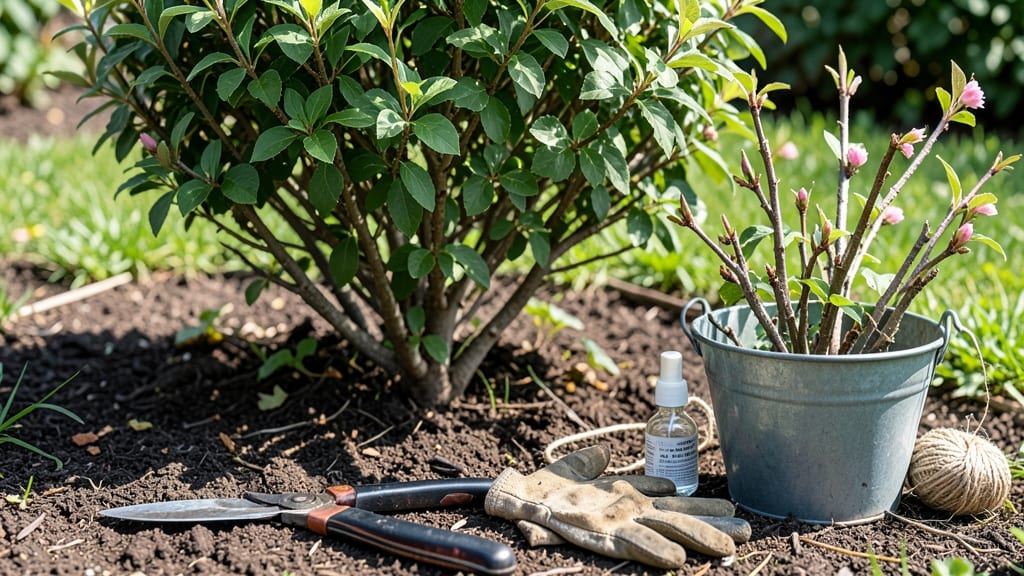
Ninebark bush pruning transforms a leggy mess into a vibrant, bushier shrub that blooms better every year. ✂️ I’ve pruned mine for five seasons, and the difference between a neglected ninebark and one that thrives comes down to timing, technique, and a few sharp cuts.
The right approach keeps your plant healthy, pest-resistant, and packed with those showy summer flowers.
You only need three tools: clean pruning shears, loppers for thicker stems, and a pair of gloves. The best time to prune is late winter or early spring, just as new growth starts—but you can also do light shaping after flowering.
For rejuvenation, cut back one-third of the oldest stems to the ground to encourage fresh, vigorous growth. It’s brutal, but your ninebark will thank you.
After pruning, you’ll notice thicker foliage, more blooms, and fewer pests clinging to weak branches. The plant redirects energy into stronger canes instead of struggling with overgrowth. Just avoid cutting into the woody center—that’s where problems start.
Within weeks, you’ll see fresh green shoots pushing through, and by summer, your ninebark will be the bushiest, most vibrant one on the block.
Works for all ninebark varieties, whether you’re shaping a hedge or letting it grow naturally. The key is consistency—prune annually, and your plant will reward you with decades of low-maintenance beauty. Ready to give it a try?
📚 In This Guide
- What you need
- Instructions
- Tips and common mistakes
- Wrapping up and next steps
What you need
- ● Pruning shears or secateurs – Sharp, bypass-style blades (for clean cuts on stems up to ½ inch thick). Quantity: 1 pair.
- ● Loppers – Long-handled, bypass or anvil-style (for thicker branches, ½ to 1½ inches). Quantity: 1 pair.
- ○ Pruning saw – For branches over 1½ inches thick (optional but handy for mature ninebark). Quantity: 1.
- ● Gloves – Heavy-duty, cut-resistant (protects hands from thorns and sharp edges). Quantity: 1 pair.
- ● Disinfectant (rubbing alcohol or pruning sealant) – 70% isopropyl alcohol (prevents disease spread between cuts). Quantity: Small bottle.
- ● Garden twine or zip ties – For temporary support if large branches need guidance. Quantity: Small roll.
- ● Trash bags or bucket – For debris disposal (keeps your workspace tidy!). Quantity: 1-2.
- ● Hand pruners with a ratchet mechanism – Reduces hand fatigue for long sessions.
- ● Extension pole pruners – For high branches (saves time and effort).
- ● Ladder or step stool – Sturdy, non-slip (if your ninebark is tall).
- ● Garden hose or spray bottle – For cleaning tools between cuts.
- ● Labeling tags – If propagating cuttings (great for future reference!).
Step-by-step guide to pruning ninebark bushes for year-round health
Here’s how I transform ninebark from overgrown to vibrant—with stronger canes and better blooms.
✂️ Step 1: Prune Dead or Diseased Canes First
Start by removing any dead, broken, or diseased canes—these are the easiest to spot. Cut them back to the base of the bush using clean, sharp pruners (sterilized with rubbing alcohol). Diseased wood often appears blackened or mushy, while dead canes are hollow when cut open. This step prevents pathogens from spreading to healthy growth.
I always do this first because it’s the most critical. Ninebark is tough, but it won’t recover well if you let dead branches linger. If you’re unsure whether a cane is dead, scratch the bark—if it’s green underneath, it’s still alive. If not, prune it out completely.
✂️ Step 2: Thin Out Overcrowded Branches
Next, focus on thinning the interior to improve airflow and light penetration. Look for branches that cross or rub against each other—these are prime candidates for removal. Aim to leave strong, outward-facing canes that form an open, vase-like shape. Ninebark naturally grows in clusters, so thinning encourages fuller, bushier growth.
I like to step back and visually assess the bush. If I see too many branches growing inward, I remove about one-third of the oldest, thickest canes at the base. This rejuvenates the plant and prevents future overcrowding. Never remove more than 25% of the plant’s total branches in one season—this can stress the bush.
✂️ Step 3: Shape and Rejuvenate Older Canes
Ninebark’s exfoliating bark and spring blooms come from its canes, so pruning them strategically keeps the plant looking its best. For younger bushes (under 3 years old), I focus on shaping by cutting back overlong branches to just above a bud or lateral branch. This encourages bushier growth and more flowers.
For older bushes, I take a different approach. Every 2-3 years, I remove some of the oldest, thickest canes at the base to stimulate new growth. This is called rejuvenation pruning, and it’s how I keep my ninebark looking fresh for decades. Just don’t go overboard—removing too many canes at once can weaken the plant.
✂️ Step 4: Prune for Spring Blooms and Foliage
Ninebark blooms on new wood, so the best time to prune for flowers is right after blooming (late spring to early summer). Cut back any spent flower clusters and any branches that are growing in the wrong direction. This keeps the plant tidy and encourages a second flush of blooms later in the season.
If your ninebark isn’t flowering as much as you’d like, try light pruning in early spring to remove any weak or leggy growth. Avoid heavy pruning in late summer or fall—this can stimulate tender new growth that won’t harden off before winter, making the plant more susceptible to cold damage.
🪴 Step 5: Clean Up and Maintain Year-Round
After pruning, remove all clippings from the base of the plant to prevent disease. I like to rake up the debris and dispose of it in the trash—not the compost—since diseased material can spread pathogens. Now’s also a great time to apply a layer of mulch around the base to retain moisture and protect the roots.
Throughout the year, keep an eye out for suckers or watersprouts—these are fast-growing, weak shoots that pop up at the base or along the stems. Snip them off as soon as you see them to redirect the plant’s energy into stronger growth. A little maintenance now means a healthier, more beautiful ninebark for years to come.
Tips & tricks for perfect ninebark bush pruning
These pruning secrets will transform your ninebark from overgrown to vibrant with minimal effort.
Tool Preparation: Sterilizing your pruners between cuts is non-negotiable. I dip my blades in rubbing alcohol after each diseased cane and wipe them dry with a paper towel. This prevents cross-contamination that could spread fungal infections between healthy and infected branches. For stubborn cuts, I use sharp bypass pruners instead of dull anvil types—they make cleaner cuts that heal faster.
Visual Assessment Trick: Step back 5-6 feet from your ninebark and look for a balanced, open center. If you see too many branches growing inward, that's your cue to thin. I like to imagine a vase shape—remove anything that disrupts that open silhouette. For older bushes, focus on removing the thickest canes at the base first, as these are often the oldest and least productive. The goal is to create an airy structure that lets sunlight reach all parts of the plant.
Seasonal Timing: The instructions mention late spring for flower pruning, but here's what I do differently: I mark my calendar for two key windows—right after blooming (late spring) for flower maintenance, and early spring for general shaping. This two-pronged approach prevents over-pruning in any single season. For rejuvenation pruning of older bushes, I spread the cane removal over two seasons rather than doing it all at once, which gives the plant time to recover.
Post-Pruning Care: After finishing, I always apply a 2-inch layer of organic mulch around the base, keeping it 2-3 inches away from the trunk. This helps retain moisture while preventing soil-borne diseases from splashing onto the stems. I also water deeply right after pruning to help the plant recover from the stress. For the first few weeks, I monitor for any signs of new growth—if I see suckers popping up, I remove them immediately to redirect the plant's energy.
Pro Tips for Ninebark Bush Pruning
- These pruning secrets will transform your ninebark from overgrown to vibrant with minimal effort.
- Tool Preparation: Sterilizing your pruners between cuts is non-negotiable.
- Visual Assessment Trick: Step back 5-6 feet from your ninebark and look for a balanced, open center.
Frequently asked questions
Got questions about keeping your ninebark bush looking its best? You’re not alone! Here are the most common queries—and straightforward answers—to help you prune with confidence.
When is the best time to prune ninebark bushes?
Late winter or early spring (just before new growth starts) is ideal for structural pruning. For light maintenance, you can trim in summer or fall to shape or remove dead wood. Avoid heavy pruning in late fall—it can stress the plant before winter.
How much can I prune off a ninebark bush?
Ninebark is hardy and can handle up to ⅓ of its foliage removed in one session. For older bushes, you can even renewal-prune by cutting back ⅓ of the oldest canes to the ground each year. Just avoid over-pruning—this can reduce flowering and weaken the plant.
What if my ninebark bush isn’t blooming after pruning?
If your ninebark skips blooms, it might be due to over-pruning or lack of sunlight. Ensure you’re leaving enough mature canes (2–3 years old) to flower. Also, check for nutrient deficiencies—fertilize lightly in early spring if needed.
Can I prune ninebark in winter?
Yes, but only for structural cuts (removing dead, diseased, or crossing branches). Avoid heavy pruning in freezing temps—it can invite pests or rot. If you must prune in winter, do it on a mild day and clean tools with rubbing alcohol to prevent spread of disease.
Are there alternatives to pruning ninebark?
If pruning feels overwhelming, selective shaping or strategic thinning works too! Focus on removing only the worst offenders (dead wood, suckers, or unruly growth) to keep it tidy without drastic cuts. For a low-maintenance look, let it grow naturally—ninebark thrives with minimal intervention!
Wrapping up and next steps
Pruning your ninebark bush is all about timing, technique, and tenderness—giving your plant the care it needs to thrive year after year! 🌿 By mastering the art of selective pruning, you’ll encourage lush foliage, vibrant blooms, and sturdy canes that stand strong against pests and weather.
Whether you’re trimming for shape, health, or renewal, consistency is key.
Now that you’re armed with the know-how, grab those shears and get pruning! Start small, observe your bush’s response, and adjust as needed. For extra confidence, watch a quick tutorial or join a local gardening group to share tips.
Happy gardening—your ninebark will thank you with years of beauty and resilience! 🌟