
Pruning
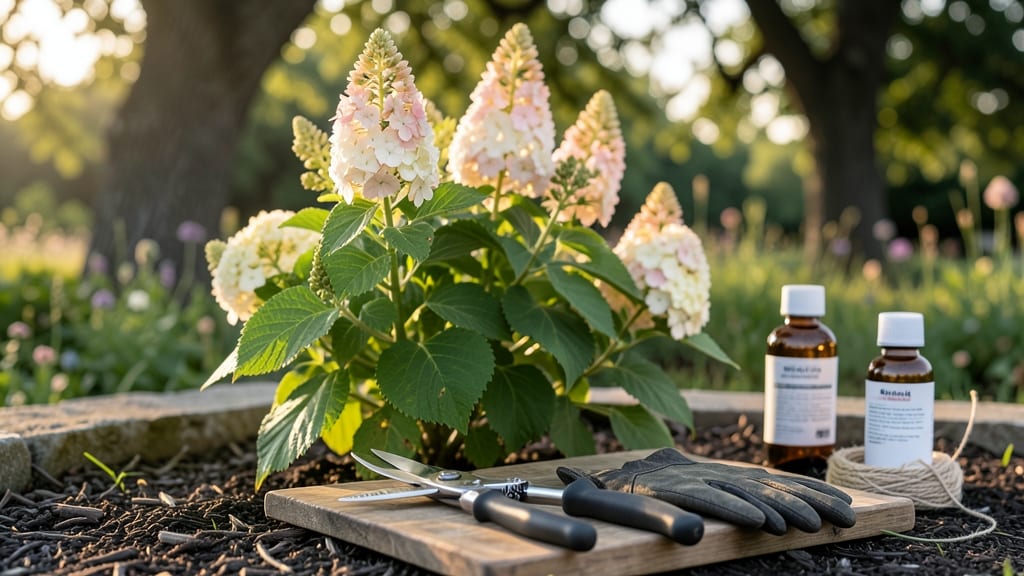
Panicle hydrangea pruning feels like unlocking a secret to longer, fuller blooms—the kind that last from summer through frost. 🌿 I learned the hard way that cutting at the wrong time turns your plant into a shrub with sad, sparse flowers.
The key is timing: late winter or early spring, before new growth starts, is when you shape these plants for maximum impact.
You’ll need sharp pruners, gloves, and a clear day to see the structure. Cut back one-third of the oldest stems all the way to the ground—this forces fresh, flower-filled growth.
For shaping, trim just above a leaf node or outward-facing bud, never leaving stubs. The goal is to open up the center for airflow and light, which keeps blooms coming.
After pruning, you’ll notice new shoots within weeks, and by midsummer, your hydrangea will be a lush, bloom machine with stems heavy with flowers. The secret weapon? Consistency—repeat this process every year, and your plant will reward you with bigger, longer-lasting blooms than you ever thought possible.
Works for all panicle varieties, whether you’re dealing with a leggy plant or just want to keep it tidy. The same rules apply whether you’re in a hot climate or a cooler zone—just adjust for your local frost dates. Here’s how to do it right the first time.
📚 In This Guide
- What you need
- Instructions
- Tips and common mistakes
- Wrapping up and next steps
What you need
- ● Gearing up for panicle hydrangea pruning? Here’s your checklist to tackle the job like a pro—whether you’re shaping for the first time or refining your technique! 🌿✂️
- ● Pro tip: 💡 Always sterilize tools between cuts to prevent disease—panicle hydrangeas are tough but not invincible!
Step-by-step guide to panicle hydrangea pruning
Here's how I prune these showstopping shrubs for bigger, longer-lasting blooms every season.
✂️ Step 1: Time Your Pruning for Maximum Impact
Panicle hydrangeas bloom on new wood, so the best time to prune is late winter or early spring—just as new growth begins. This gives the plant the whole season to develop strong stems and produce abundant flower clusters. If you prune too early, you risk cutting off buds that haven't formed yet. Wait until the last frost date in your area, but don't delay past early March—waiting too long reduces flowering potential.
I always check the plant's dormant buds first. If you see tiny swellings along the stems, that's your signal to prune. These buds are where next year's blooms will emerge. If the plant still looks completely bare, hold off for another week or two. The goal is to encourage vigorous new growth while preserving the plant's energy for flowering.
✂️ Step 2: Remove Dead, Weak, or Crossing Branches
Start by deadheading any stems that are brown, brittle, or completely devoid of leaves. These won't produce flowers and can harbor pests. Next, look for weak or spindly branches—these are usually thinner than your thumb and grow outward rather than upward. Snip these at the base with clean, sharp pruners. I also remove any branches that cross or rub against each other, as this creates wounds that invite disease.
Pay attention to the center of the plant. If it's getting too crowded, thin out some of the oldest stems at the base. Panicle hydrangeas naturally produce panicles (those iconic cone-shaped flowers) on the tips of branches, so opening up the center improves airflow and light penetration. This step alone makes a huge difference in how full and healthy your plant looks by summer.
✂️ Step 3: Shape the Plant for Balance and Airflow
Now it's time to reshape the hydrangea into a rounded, vase-like form. Start by cutting back last year's flower stems by about one-third of their length. This encourages the plant to produce longer, stronger stems with bigger blooms. I like to make my cuts just above a bud or leaf node—this is where new growth will emerge. Avoid cutting into old wood; you'll know it's the right spot when you see a swollen bud or a tiny leaf scar.
Step back and visualize the plant's shape. Aim for a balanced, open structure with no bare spots. If one side looks leggy, prune back slightly more on that side to encourage even growth. Avoid cutting into the center of the plant unless absolutely necessary—this can create a "donut hole" effect where light and air don't reach the core. Your goal is to maintain a natural, full silhouette that supports heavy flower clusters.
✂️ Step 4: Prune for Size Control (If Needed)
If your panicle hydrangea has outgrown its space, you can prune it back more aggressively—but only if it's three years old or older. For younger plants, resist the urge to cut back too much, as this can stunt their growth. For mature plants, you can reduce the overall height by up to 25% by cutting back some of the oldest stems to the ground. This rejuvenates the plant and encourages new, vigorous growth from the base.
I always prune gradually over a few years if the plant is large. For example, this year I might cut back one or two of the oldest stems completely, and next year I'll tackle a couple more. This prevents shock and gives the plant time to adjust. After pruning, water deeply to help the plant recover. You'll see new shoots emerging within 3-4 weeks, signaling that the pruning was successful.
🌿 Step 5: Post-Pruning Care for Longer Blooms
After pruning, avoid fertilizing for at least 4-6 weeks. The plant needs time to recover and establish new roots before it can benefit from extra nutrients. Instead, focus on watering deeply once a week, ensuring the soil stays moist but not soggy. Panicle hydrangeas are drought-tolerant once established, but they need consistent moisture during their first growing season after a major pruning.
Keep an eye out for new growth in spring. If you see soft, green shoots emerging from the base or along the stems, that's a good sign. These will develop into stronger, flower-bearing branches. By mid-summer, you should see buds forming—these will bloom in late summer or early fall, often lasting well into October or November if you're in a mild climate. The key to longer blooms is pruning at the right time and giving the plant the care it needs to thrive.
Tips & tricks for perfect panicle hydrangea pruning
These simple tricks will help you transform your pruning routine into a bloom-boosting powerhouse.
Timing is Everything: The late winter to early spring window is non-negotiable for panicle hydrangeas. I've learned this the hard way—pruning too early can remove next year's flower buds before they form, while waiting too late reduces flowering potential. Check your local last frost date and mark your calendar for early March as the absolute deadline. Pro tip: Use a plant thermometer to monitor overnight temperatures—consistent freezing is your cue to start looking for dormant buds.
Tool Prep Prevents Problems: Clean, sharp pruners are your best friend. I sterilize my tools with rubbing alcohol between cuts to prevent spreading disease. For larger branches, use loppers or a pruning saw. Always make cuts at a 45-degree angle about 1/4 inch above a bud or leaf node—this encourages new growth and prevents water from pooling on the cut. I mark my tools with a permanent marker to track which stems I've already pruned, so I don't accidentally cut the same branch twice.
Visualize the Final Shape: Before making any cuts, step back and visualize your hydrangea's ideal shape. Panicle hydrangeas thrive when pruned into a rounded, vase-like form. In Step 3, when you're cutting back last year's flower stems by one-third, imagine how the plant will fill out by summer. I sketch a quick outline on paper first—this helps me see where to make adjustments. Remember, you're not just pruning for aesthetics; you're creating structural support for those heavy flower clusters.
Gradual Pruning for Mature Plants: If you're working with a mature plant that's outgrown its space, don't try to rejuvenate it all at once. I've seen gardeners cut back too aggressively and end up with a plant that never fully recovers. For mature plants, reduce height by no more than 25% each year, focusing on the oldest stems first. This gradual approach prevents shock and gives the plant time to establish new growth. After pruning, I always water deeply to help the plant recover—you'll notice new shoots emerging within 3-4 weeks if you've done it right.
Pro Tips for Panicle Hydrangea Pruning
- These simple tricks will help you transform your pruning routine into a bloom-boosting powerhouse.
- Timing is Everything: The late winter to early spring window is non-negotiable for panicle hydrangeas.
- Tool Prep Prevents Problems: Clean, sharp pruners are your best friend.
Frequently asked questions
Got questions about panicle hydrangea pruning?
You’re not alone! Here are the most common concerns—and straightforward answers—to keep your blooms thriving year-round.
When is the best time to prune panicle hydrangeas?
Prune panicle hydrangeas late winter or early spring (before new growth starts) or right after blooming in summer. Avoid pruning in fall—it reduces next year’s flowers. For dramatic shaping, spread it out over both seasons!
Can I prune panicle hydrangeas in fall?
Not ideal! Fall pruning stimulates tender new growth that may freeze in winter. If you must prune, do it lightly in early fall (just to tidy up) and avoid cutting back more than 20%. Save major pruning for spring.
What if I prune too late and miss the blooms?
Don’t panic! Panicle hydrangeas are forgiving. If you prune after early summer, you’ll still get some blooms on current-year stems. Just avoid heavy cuts—focus on removing dead wood and shaping. Next year, prune earlier!
Do I need to prune panicle hydrangeas every year?
Not strictly, but annual light pruning keeps them healthy and bushier. Remove 1/3 of last year’s stems every 1–2 years to encourage new growth. Overgrown hydrangeas? Prune aggressively in spring—they’ll bounce back!
Why aren’t my panicle hydrangeas blooming after pruning?
Check these fixes:
- Timing: Pruned too late? Blooms need 6–8 weeks to form.
- Over-pruning: Never cut back more than 1/3 of the plant.
- Location: Too much shade or poor drainage? Move to sunny, well-drained soil.
- Age: Young plants (under 3 years) may need patience.
Give it time—they’ll reward you!
Wrapping up and next steps
Mastering panicle hydrangea pruning is your secret weapon for stunning, long-lasting blooms year after year! 🌸 By following the right timing, techniques, and tools, you’ll encourage lush growth and vibrant flowers—no guesswork required. Start with confidence: grab your pruners, review your notes, and give your plants the care they deserve.
Ready to transform your garden? Pick a sunny day, roll up your sleeves, and prune like a pro—your hydrangeas will thank you with months of gorgeous blooms! 🌿