
Pruning
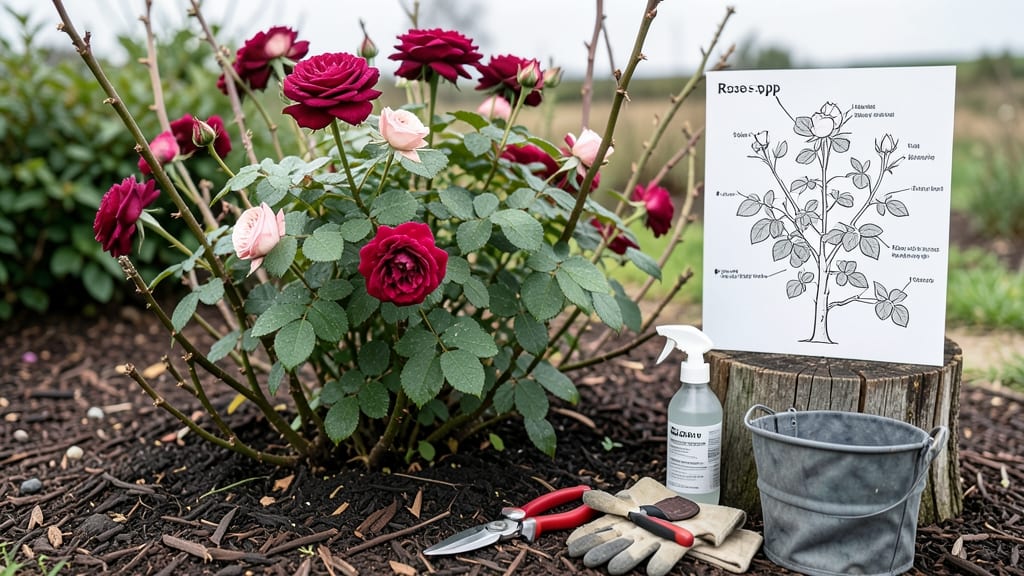
Mastering the proper way to prune rose bushes turns tangled, overgrown shrubs into lush, blooming powerhouses—and it’s easier than you think. ✂️ I’ve pruned roses for over a decade, and the difference between a healthy bush and one struggling to bloom comes down to timing, technique, and knowing which cuts to make (and which to avoid).
The key is understanding that roses bloom on new growth, so pruning encourages exactly what you want—more flowers. Start with clean, sharp pruners and focus on removing dead wood, crossing branches, and thinning out crowded stems.
Hybrid teas need aggressive pruning, while climbers just need light shaping. Three cuts now mean a hundred more blooms in June, if you do it right.
You’ll see new red shoots emerge within 10-14 days of pruning, with the first wave of blooms arriving in 4-6 weeks.
The shape stays compact, the plant invests energy in flowers instead of maintenance growth, and you avoid the leggy, sparse look that happens when pruning is skipped or done wrong.
Works for hybrid teas, floribundas, shrub roses, and even climbers—just adjust the approach. Here’s how to get started without overcomplicating it, plus the mistakes that’ll ruin your roses if you’re not careful.
📚 In This Guide
- What you need
- Instructions
- Tips and common mistakes
- Wrapping up and next steps
What you need
- ● Bypass pruners: Sharp, high-quality pruners (e.g., Felco or Corona) for clean cuts. Size: 6–8 inches, with comfortable grips.
- ● Loppers: For thicker stems (½–1½ inches). Recommended: Bypass loppers with a 10–12-inch blade.
- ● Pruning saw: For stubborn, woody stems (20–24 inches). Tip: Choose a curved blade for easier cuts.
- ● Gloves: Heavy-duty, thorn-resistant gloves (e.g., Mechanix or rose-specific gloves).
- ● Disinfectant: 70% isopropyl alcohol or a 10% bleach solution to sterilize tools between cuts.
- ● Rubbing alcohol wipes: For quick tool sterilization on the go.
- ● Pruning sealant: (e.g., tree paint) for large cuts on hybrid teas or grafted roses.
- ● Knee pads: If your roses are tall or the ground is hard.
- ○ Bucket or bag: For collecting debris (optional but tidy!).
- ● Weather: Prune on a dry, calm day (avoid rain or wind). Best time: Early morning or late afternoon.
- ● Safety: Wear long sleeves/pants to protect against thorns and scratches.
- ● Knowledge: Familiarize yourself with your rose’s type (e.g., climber, shrub, hybrid tea) and growth habits.
Step-by-step guide to pruning rose bushes for abundant blooms
Here's how I transform my roses from scraggly to showstopping—season by season.
✂️ Step 1: Time Your Cuts for Maximum Impact
Prune hybrid teas and floribundas in late winter or early spring (just before new growth starts) when the plant is still dormant. This removes winter-damaged wood and encourages fresh, vigorous blooms. Knock Out roses and other landscape types can handle a light pruning in late spring after the first flush of flowers.
Watch for the first swollen buds along the stems—those signal the plant is waking up. If you prune too early, you risk cutting off next season's flower buds. I always wait until after the last hard frost when daytime temperatures consistently reach 50°F or higher.
🌿 Step 2: Remove Dead, Diseased, and Weak Growth
Start by cutting out any dead wood (gray/brown, brittle stems) and diseased canes (black spots, powdery mildew). Use clean, sharp pruners to make 45-degree angles just above an outward-facing bud. This ensures water runs off the cut and new growth heads outward for better air circulation.
Look for thin, spindly canes with no buds—these are energy vampires. Cut them to the ground. I also remove any crossing branches that rub against each other, as these create wounds that attract pests. Never leave stubs—always cut just above a bud or node where new growth can emerge.
✂️ Step 3: Shape the Bush for Airflow and Light
Open the center of the bush by cutting back older, thick canes to 12-18 inches from the ground. This forces new growth from the base and prevents the classic "donut hole" where disease hides. Aim to leave 3-5 strong canes per plant, spaced evenly around the center.
Step back and visualize the shape—you want a rounded, vase-like form. Cut back any branches growing inward or downward. For climbing roses, prune to maintain a strong central leader and remove side shoots that compete for energy. The goal is to let sunlight and air reach every part of the plant.
🌱 Step 4: Encourage Future Blooms with Strategic Cuts
For once-blooming roses (like hybrid teas), cut back one-third of the oldest canes each year to stimulate new growth. For repeat-blooming roses (like floribundas), trim back last year's blooms to just above a 5-leaflet leaf—this encourages multiple flushes of flowers.
Watch for suckers (shoots growing from the base) and remove them immediately. These divert energy from your main plant. After pruning, spray the cuts with fungicide to prevent infection. I also apply a 2-inch layer of mulch around the base to retain moisture and regulate soil temperature.
⏰ Step 5: Maintain Through the Growing Season
After the initial prune, deadhead spent blooms regularly by cutting back to the first 5-leaflet leaf below the bloom. This redirects energy into producing more flowers instead of seed pods. I also trim back any overly long or leggy growth to maintain the bush's shape.
In late summer, give your roses a light trim to remove any weak or crossing branches. This prevents winter damage and keeps the plant tidy. Avoid heavy pruning after mid-summer—it reduces the plant's ability to harden off for winter. Instead, focus on fertilizing and watering to build strength for next season.
Tips & tricks for pruning rose bushes like a pro
These game-changing insights will help you avoid common pruning mistakes and transform your roses into thriving bloomers.
Timing is Everything: The late winter/early spring window is critical for hybrid teas and floribundas—this is when the plant is fully dormant and ready for renewal. I can't stress enough how important it is to wait until after the last hard frost when daytime temperatures consistently hit 50°F. If you prune too early, you risk removing next year's flower buds before they've even formed. For Knock Out roses, that light spring trim after the first flush is your secret weapon for continuous blooms.
Tool Prep Prevents Problems: Before you make a single cut, sanitize your pruners with rubbing alcohol or a bleach solution. Dirty tools spread disease like wildfire through your rose bush. I also recommend using bypass pruners instead of anvil types—they make cleaner cuts that heal faster. And here's a pro move: oil your blades before each use to prevent rust and ensure smooth cutting. Sharp tools mean less damage to the plant and cleaner cuts that heal properly.
Bud Direction Dictates Growth: When you make those 45-degree cuts just above an outward-facing bud, you're not just following instructions—you're directing the plant's future growth. The angle helps water run off the cut, and the outward-facing bud ensures new growth heads away from the center, creating that perfect open structure. I always visualize where I want each new cane to grow before making the cut. This simple technique prevents that dreaded "donut hole" center where disease thrives.
Seasonal Maintenance Matters: That late summer light trim isn't just about tidiness—it's about preparing your roses for winter. By removing weak growth and crossing branches, you're helping the plant allocate its remaining energy to strengthening its structure. I make it a habit to do this after the first frost warning, giving the plant just enough time to harden off before winter sets in. And don't forget the mulch—those 2 inches around the base work wonders for moisture retention and temperature regulation.
Pro Tips for Proper Way To Prune Rose Bushes
- These game-changing insights will help you avoid common pruning mistakes and transform your roses into thriving bloomers.
- Timing is Everything: The late winter/early spring window is critical for hybrid teas and floribundas—this is when the plant is fully dormant and ready for renewal.
- Tool Prep Prevents Problems: Before you make a single cut, sanitize your pruners with rubbing alcohol or a bleach solution.
Frequently asked questions
Got questions about pruning your rose bushes? You’re not alone—even seasoned gardeners need a refresher now and then! Here are answers to the most common queries to help you prune like a pro and keep those blooms coming.
When is the best time to prune roses?
The ideal time depends on your climate and rose type! For most roses, late winter or early spring (just before new growth starts) is best. Repeat-blooming roses can also benefit from a light trim after their first flush of flowers. Pro tip: Avoid pruning in fall—it can leave cuts vulnerable to disease over winter.
How do I know if I’m cutting too much?
Never remove more than ⅓ of the bush in one pruning session. Look for healthy, outward-facing buds when making cuts—these will encourage strong new growth. If you’ve already over-pruned, don’t panic! Roses are resilient; just focus on keeping the remaining structure open and airy.
Can I prune roses in summer?
Yes, but sparingly! Light pruning after blooms (deadheading) encourages more flowers. Avoid heavy cuts in summer heat, as it stresses the plant. If you must prune, do it on a cool, overcast day to reduce shock. Hydrate the plant well before and after.
What if my roses get diseased after pruning?
Diseases like black spot or powdery mildew often strike after pruning if tools aren’t clean. Always sterilize your shears with rubbing alcohol or a 10% bleach solution between cuts. Remove infected leaves/canes immediately, and avoid overhead watering to keep foliage dry.
Do I need to prune old roses (like heirlooms) differently?
Old garden roses (e.g., Albion or Louis Philippe) often have thick, woody canes that don’t regrow well. Prune lightly to shape, focusing on removing deadwood and crossing branches. Avoid heavy cuts—their beauty lies in their natural, historic form!
Wrapping up and next steps
Pruning your rose bushes might seem daunting at first, but with the right tools, timing, and technique, you’ll unlock vibrant blooms and stronger growth—year after year! 🌹 Remember to prioritize clean cuts, seasonal care, and disease prevention, and don’t forget to reward yourself with a well-deserved break after tackling those thorns.
Now that you’re armed with expert tips, grab your pruners and give your roses the TLC they deserve—your garden will thank you!
Next step: Mark your calendar for your next pruning session (early spring or late winter) and watch your roses thrive like never before!