
Pruning
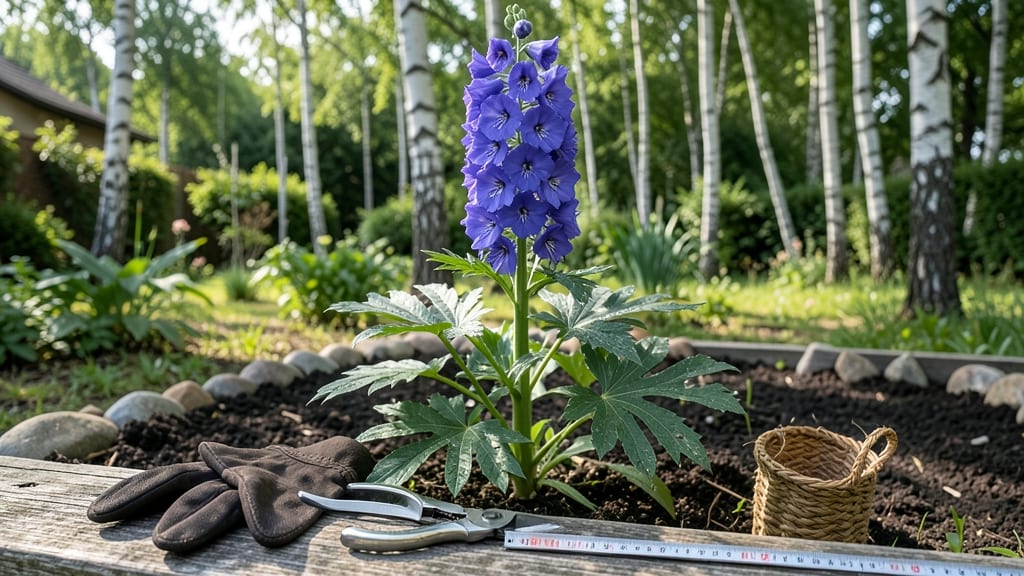
Pruning delphinium plants is the secret to those 6-foot-tall spikes of blue and purple blooms that make your garden look like a storybook. 🌿 I’ve spent years watching my delphiniums flop over or produce weak stems—until I learned the right timing and technique.
The difference between scraggly stems and showstopping blooms often comes down to a few sharp cuts at the right moment.
You’ll need clean, sharp pruners (dull blades crush stems and invite disease) and a clear plan for when to cut. The best time to prune is right after the first flush of blooms fades—this encourages a second, often even more dramatic round of flowers.
For late-season cleanup, cut back stems to about 6 inches above the ground before winter, but never remove all the foliage until it yellows naturally.
What you’ll end up with is a plant that grows taller, blooms longer, and stays healthier through the seasons. Delphiniums pruned this way produce thicker stems and more buds, plus they’re less likely to flop in wind or rain.
The key is patience—don’t rush the process, and always cut just above a leaf node or bud to encourage new growth.
This method works for both perennial and biennial varieties, whether you’re growing in full sun or partial shade. The only real mistake is pruning too late in the season or using dirty tools—both can set your plants back. Let’s get those stems looking like they belong in a garden magazine!
📚 In This Guide
- What you need
- Instructions
- Tips and common mistakes
- Wrapping up and next steps
What you need
- ● Sharp pruning shears or bypass pruners – Look for bypass-style (not anvil) to avoid crushing stems. Size: 5–7 inches for medium stems.
- ● Clean, sterilized alcohol wipes – 70% isopropyl alcohol (1–2 wipes per cut) to prevent disease.
- ● Garden gloves – Lightweight, breathable fabric (e.g., nitrile-coated) to protect from thorns and sap.
- ● Garden twine or plant ties – 3–5 feet (for staking tall stems post-pruning).
- ● Compost or mulch – 2–3 inches of organic matter (e.g., shredded leaves, straw) to replenish soil after pruning.
- ● Hand pruners (for small stems) – Ergonomic, 4–5 inch blades for precision.
- ● Disinfectant spray – 1 part bleach to 9 parts water (rinse tools after use).
- ● Plant support stakes – 3–4 foot bamboo or metal stakes for post-pruning stability.
- ● Label markers – If dividing plants, mark new sections to track varieties.
- ● Knee pad or stool – For comfort when working with tall delphiniums.
Step-by-Step instructions for pruning delphinium plants
Here's the method I've used for years to keep my delphiniums thriving and blooming like crazy.
✂️ Step 1: Deadhead Spent Blooms During the Growing Season
As soon as a flower cluster fades and its color turns dull, snip it off cleanly with sharp pruners just above the next set of healthy leaves. I always use sterilized tools to prevent disease from spreading through those tender stems. You'll see new side shoots forming within a week—that's your signal the plant is responding well.
Never cut into old, woody stems. Focus only on the current season's growth. Delphiniums produce their best blooms on new wood, so preserving those stems is key. I like to work on cloudy days when the plants are less stressed by heat.
✂️ Step 2: First Major Pruning After Initial Blooming
About 6-8 weeks after your first flush of blooms, give your delphiniums a hard cut back. Remove 1/3 of the plant's height by cutting just above a strong set of leaves or side buds. This encourages a second round of blooms that'll appear in 6-8 weeks.
I always prune in the morning when the stems are firm and moisture hasn't evaporated yet. The key is to cut at a 45-degree angle just above a leaf node—this prevents water from pooling and causing rot. Wear gloves; those stems can be sharp!
✂️ Step 3: Late Season Maintenance Before Dormancy
When frost threatens or night temperatures dip below 40°F, cut back the entire plant to 6-8 inches tall. This prevents the heavy seed heads from weighing down the stems in winter winds. Remove all dead foliage and any stems showing signs of disease.
I like to mulch heavily after this pruning with 2-3 inches of organic mulch to protect the crowns. This is also the perfect time to divide any congested clumps—just dig up the entire plant and separate the roots carefully with a clean knife.
✂️ Step 4: Early Spring Preparation for New Growth
In early spring, before any new shoots appear, give your delphiniums a light trim to remove any dead or damaged stems. This is also when I check for signs of crown rot or pest damage from winter. Healthy plants will show new growth within 3-4 weeks of this pruning.
I never fertilize immediately after pruning—wait until you see 2-3 inches of new growth first. This ensures the plant is ready to use those nutrients for vigorous new stems and blooms. A balanced 10-10-10 fertilizer works well for me.
Tips & tricks for pruning delphinium plants
Here's what nobody tells you about keeping your delphiniums looking their absolute best all year long.
Timing Secret: In Step 1, when deadheading, I always carry a small spray bottle of water to refresh the pruners between cuts. This keeps the blades sharp and prevents sap from clogging them—especially important when working with delphiniums' thick stems. The first week after pruning is critical: if you see new shoots forming, that's your plant's way of saying "thank you!"
Tool Technique: For Step 2's major pruning, I use bypass pruners instead of anvil pruners—they make cleaner cuts that heal faster. The 45-degree angle is crucial: it creates more surface area for water to evaporate, reducing rot risk. I also mark my pruners with tape at the 1/3 height point so I don't accidentally cut too much off by eye.
Seasonal Strategy: When frost threatens in Step 3, I always add a layer of straw mulch on top of the 2-3 inches of organic mulch. This extra insulation helps protect the crowns from temperature swings that can cause heaving. I've found that plants mulched this way survive winters with night temps down to 20°F without damage.
Spring Revival: In Step 4, I look for three things when checking for new growth: bright green color, firm stems, and the characteristic delphinium leaf shape. If you see any stems with brown streaks or black spots, cut those off immediately—they're signs of crown rot that can spread quickly. The 2-3 inch growth rule is my absolute minimum before fertilizing, but I often wait until I see 4-5 inches for maximum vigor.
Pro Tips for Pruning Delphinium Plants
- Here's what nobody tells you about keeping your delphiniums looking their absolute best all year long.
- Timing Secret: In Step 1, when deadheading, I always carry a small spray bottle of water to refresh the pruners between cuts.
- Tool Technique: For Step 2's major pruning, I use bypass pruners instead of anvil pruners—they make cleaner cuts that heal faster.
Frequently asked questions
Got questions about keeping your delphiniums thriving after pruning? You’re not alone! Here are answers to the most common concerns—so you can enjoy those stunning, towering blooms all season long.
When is the best time to prune delphiniums for maximum blooms?
Prune delphiniums in early spring (just as new growth emerges) to encourage fresh, vigorous stems. For deadheading, snip spent blooms throughout the summer to redirect energy into more flowers. Avoid heavy pruning in fall—let foliage die back naturally for winter hardiness.
How much should I cut back delphiniums after they bloom?
After flowering, trim back one-third of the plant’s height (about 12–18 inches) to maintain shape and prevent flopping. Never cut into woody stems—focus on soft, leafy growth. This encourages a second flush of blooms in some varieties!
What if my delphiniums look sad after pruning? Can I fix it?
If your plant looks leggy or sparse post-prune, it’s likely just redirecting energy. Fertilize lightly with a balanced 10-10-10 and water deeply. Avoid over-fertilizing—delphiniums prefer lean soil. Mulch around the base to retain moisture and protect roots.
Can I prune delphiniums in hot or cold weather?
Avoid pruning during heatwaves or extreme cold (below 50°F or above 90°F). Wait for mild, overcast days to minimize stress. If you must prune in heat, do it early morning and provide shade afterward to help the plant recover.
What’s the difference between pruning and deadheading delphiniums?
Pruning
= Structural cuts (early spring/fall) to shape the plant and promote growth. Deadheading = Removing only faded blooms (summer) to extend flowering. Think of pruning as a “haircut” and deadheading as a quick trim to keep your delphiniums looking fresh!
Wrapping up and next steps
Pruning your delphinium plants might seem daunting, but with the right timing and techniques, you’ll unlock vibrant, towering blooms year after year! 🌸 Remember to focus on removing spent flowers, thinning crowded stems, and giving your plants a fresh start in early spring.
This simple care routine ensures healthier growth and stunning displays.
Now that you’re armed with knowledge, grab those pruners and get to work—your delphiniums will thank you! For extra inspiration, explore more pruning tips or share your progress with fellow gardeners. Happy pruning! 🌿