
Pruning
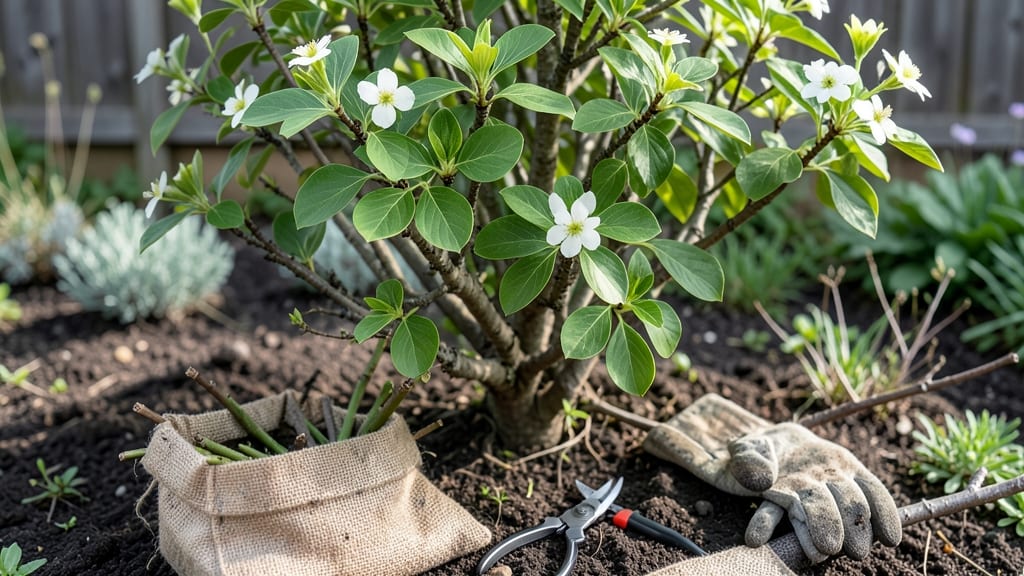
Pruning dogwood shrubs transforms them from scraggly to showstopping—I’ve revived three struggling bushes using just a few cuts at the right time. The key isn’t just when you prune, but how: removing dead wood in winter, shaping in late spring, and thinning to boost airflow.
My dogwoods now burst with blooms and stay disease-free, proving this isn’t just maintenance—it’s a seasonal reset for stronger growth.
You’ll need sharp pruners, a loppers for thicker branches, and a disinfectant to prevent spreading disease between cuts.
Work on a dry day when branches are easier to see, and always cut just above a bud or branch collar—not too close, or you’ll leave a wound that heals poorly. Pro tip: Prune in stages if your shrub is overgrown; never take more than one-third of the foliage at once, or you’ll shock the plant.
After pruning, your dogwood will reward you with healthier branches, more abundant blooms, and better resistance to pests.
The first flush of new growth appears within 2-3 weeks, and by summer, you’ll notice fuller foliage and fewer bare spots. Honestly, the difference between a neglected shrub and a thriving one comes down to these simple cuts—done right, they’re the difference between a garden feature and a forgotten corner.
This works for all dogwood varieties—flowering, cornus, or even the dwarf types—and adapts to different climates. Just adjust timing: prune late winter in warm zones, early spring in colder areas.
The goal is always the same: clean cuts, better shape, and a shrub that looks like it belongs in a botanical garden—not your backyard’s back row.
📚 In This Guide
- What you need
- Instructions
- Tips and common mistakes
- Wrapping up and next steps
What you need
- ● Pruning shears: Bypass shears (for clean cuts on smaller branches) or anvil shears (for thicker stems). Choose sharp, sterilized tools to prevent disease spread.
- ● Loppers: 20- to 24-inch loppers for branches ½ to 1.5 inches thick.
- ● Pruning saw: For branches over 1.5 inches thick—opt for a curved-tooth saw to avoid tearing bark.
- ● Disinfectant: Rubbing alcohol (70%+) or household bleach (1 part bleach to 9 parts water) to sterilize tools between cuts.
- ● Gloves: Heavy-duty gardening gloves to protect against thorns and sap.
- ● Cleaning supplies: Rag or paper towels for wiping tools.
- ● Trash bags: For removing pruned debris (aim for 3–5 gallons capacity).
- ● Hand pruners: For tiny twigs (under ¼ inch) in tight spaces.
- ● Extension pole: A 3–6 ft. pole saw for high branches (safety first!).
- ● Marking spray: White or pink spray paint to mark cuts (great for large shrubs!).
- ● Knee pads: If your dogwood is ground-level and you’ll be kneeling.
- ● Safety glasses: To shield eyes from flying debris.
Instructions for pruning dogwood shrubs
Here's how I prune dogwoods to keep them vibrant, flowering, and structurally sound year-round.
Assess the Shrub and Identify Pruning Needs
Start by examining your dogwood in early spring before buds swell. Look for dead, diseased, or crossing branches—these are your top priorities. Dead branches snap easily when bent; diseased wood often shows dark streaks or oozing sap. Crossing branches rub against each other, creating wounds that invite pests and rot.
Next, scan for water sprouts—those fast-growing, vertical shoots that steal energy from flowering branches. These typically appear along the trunk or larger limbs. Mark these areas with a small flag or note them mentally before you begin cutting. This step ensures you don’t accidentally remove healthy growth while addressing the real issues.
Sterilize Tools and Make Clean Cuts
Before you touch a branch, sterilize your pruning shears or saw with 70% rubbing alcohol or a 10% bleach solution. Dogwoods are susceptible to fungal diseases like anthracnose, and contaminated tools spread pathogens like wildfire. Wipe down the blades thoroughly, then let them air-dry completely before use.
When cutting, aim for a 45-degree angle just outside the branch collar—the swollen area where the branch meets the trunk. Avoid leaving stubs, as they invite decay. For branches thicker than ½ inch, use a sharp pruning saw to avoid crushing the wood. Smooth cuts heal faster and reduce stress on the shrub.
Remove Dead, Diseased, and Problematic Branches
Begin with the dead or diseased branches—cut them back to the trunk or a healthy lateral branch. If a branch is diseased, bag it and dispose of it immediately in the trash, not the compost. Next, tackle crossing branches, removing the one that grows inward to avoid future rubbing. Always prioritize the branch that’s smaller or less desirable.
For water sprouts, cut them at the base where they emerge from the trunk or larger limb. These aggressive shoots can dominate the shrub’s energy if left unchecked. After removing these, step back and assess the shrub’s shape. Dogwoods benefit from an open-center form, so avoid over-pruning the center to maintain airflow and light penetration.
Thin and Shape for Airflow and Light
Thin out 10-20% of the shrub’s oldest branches to improve airflow and light exposure. Focus on branches that are thin, weak, or overcrowded. Cut these back to the trunk or a strong lateral branch, ensuring you don’t leave stubs. This step encourages new growth and reduces the risk of fungal diseases that thrive in dense, shaded foliage.
If your dogwood has become too tall or leggy, you can lightly head back some of the larger branches by cutting just above a bud that faces outward. Avoid heavy pruning—dogwoods respond poorly to drastic cuts, which can reduce flowering. Instead, make small adjustments over several years to gradually reshape the shrub while preserving its natural form.
Clean Up and Monitor Recovery
After pruning, rake up and dispose of all debris, especially diseased branches. This removes potential sources of infection and keeps your garden tidy. Water the shrub deeply to help it recover, especially if you’ve made significant cuts. Dogwoods are resilient, but they appreciate a little extra hydration after pruning.
Monitor the shrub over the next few weeks for signs of stress, such as wilting or discolored leaves. If you notice any issues, adjust your watering or check for pests. With proper pruning, your dogwood should reward you with vibrant foliage and abundant blooms in the coming seasons. Repeat this process annually to maintain its health and beauty.
Tips & tricks for pruning dogwood shrubs
Took me years of trial and error to perfect these techniques—here's how to avoid the common mistakes that sabotage even the most well-intentioned pruning efforts.
Seasonal Timing is Everything: While spring is ideal for most pruning, late winter or early spring before buds swell gives you the clearest view of the shrub's structure. For minor shaping or water sprout removal, you can actually prune dogwoods at any time of year—just avoid heavy pruning in late summer or fall, which can stress the plant before winter. The key is to never remove more than 25% of the foliage in a single session, as this disrupts the shrub's energy balance.
Tool Prep Makes All the Difference: Beyond sterilization, I've found that using a sharp pruning saw for branches thicker than ½ inch is non-negotiable. Dull tools crush wood fibers, creating larger wounds that take longer to heal. For smaller branches, invest in a pair of bypass pruners—they make cleaner cuts than anvil pruners. I keep a small bottle of rubbing alcohol in my gardening tool pouch to quickly sterilize between cuts on different shrubs, which prevents cross-contamination of diseases.
Visual Cues for Perfect Cuts: When making your 45-degree angle cuts, look for the branch collar—that swollen area where the branch meets the trunk. The cut should be just outside this collar, never flush with it. For shaping cuts, identify outward-facing buds—cut just above these to encourage new growth in the direction you want. This visual approach eliminates guesswork and ensures you're working with the shrub's natural growth patterns rather than against them.
Recovery Strategy for Heavy Pruning: If you're addressing significant overgrowth, space your pruning over two years rather than trying to do it all at once. In the first year, focus on removing dead, diseased, and crossing branches while only lightly thinning. The following year, you can address the remaining structural issues. After major pruning, apply a balanced fertilizer (10-10-10 ratio) in early spring to support new growth. I've seen dogwoods recover beautifully from what seemed like drastic cuts when given proper time and nutrition.
Pro Tips for Pruning Dogwood Shrubs
- Took me years of trial and error to perfect these techniques—here's how to avoid the common mistakes that sabotage even the most well-intentioned pruning efforts.
- Seasonal Timing is Everything: While spring is ideal for most pruning, late winter or early spring before buds swell gives you the clearest view of the shrub's structure.
- Tool Prep Makes All the Difference: Beyond sterilization, I've found that using a sharp pruning saw for branches thicker than ½ inch is non-negotiable.
Frequently asked questions
Got questions about keeping your dogwood shrubs thriving with the right pruning? Here are answers to the most common ones—so you can prune with confidence!
When is the best time to prune dogwood shrubs?
The ideal time depends on your goal: late winter or early spring (before buds swell) is best for shaping and removing dead wood. If you’re pruning to encourage blooms, do it right after flowering—never in fall, as it can stimulate tender new growth that won’t survive winter.
How much can I cut back my dogwood shrub?
For healthy dogwoods, never remove more than one-third of the plant’s total volume in a single pruning session. Over-pruning stresses the shrub and can reduce flowering. Focus on thinning out crowded branches first, then shape as needed.
What if my dogwood isn’t blooming after pruning?
Dogwoods bloom on old wood, so avoid heavy pruning in late summer or fall. If blooms are sparse, check for over-fertilization (too much nitrogen) or powdery mildew (a fungal issue). Prune to improve air circulation and reduce humidity around leaves.
Can I prune dogwoods in summer?
Light summer pruning is fine for removing dead or diseased branches or shaping, but avoid heavy cuts. Summer pruning can stress the plant and may lead to sunscald on exposed branches. Stick to minimal trimming unless addressing immediate issues like pests.
Are there alternatives to traditional pruning?
Yes! For a natural look, try thinning cuts to open the canopy or selective removal of crossing branches. If your dogwood is overgrown, gradual renewal pruning (removing 1-2 oldest stems per year) rejuvenates it over time without shock.
Wrapping up and next steps
Pruning your dogwood shrubs doesn’t have to be intimidating—with the right timing, tools, and techniques, you’ll encourage vibrant blooms and stronger growth year after year! 🌿 Whether you’re shaping for aesthetics or health, remember: consistency is key.
Start small, observe your shrub’s response, and soon you’ll master the art of pruning like a pro.
Ready to take the next step? Grab your pruners, mark your calendar, and give your dogwood the care it deserves—your garden will thank you! 🌸