
Pruning
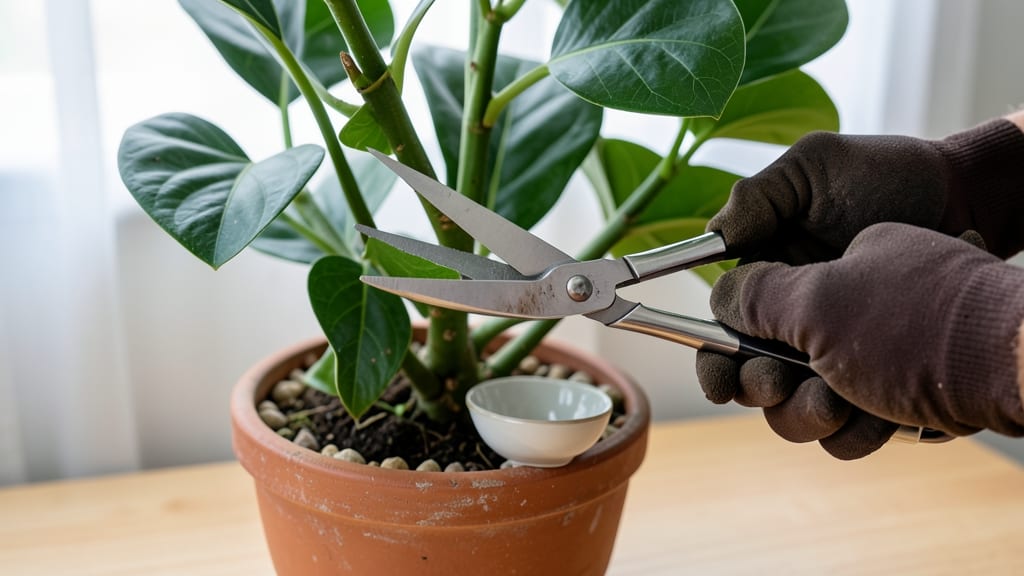
Pruning potted plants isn’t just about keeping them tidy—it’s the secret to thicker growth and longer blooming seasons. 🌿 I’ve turned leggy, sparse herbs into lush, bushy plants just by making a few strategic cuts, and the same rules apply to everything from ferns to flowering shrubs in containers.
The best time to prune depends on your plant: herbs and annuals respond well to regular trimming, while woody plants like bougainvillea need a late-winter cleanup before new growth starts. Always use sharp, clean shears—dull tools crush stems, inviting disease.
Cut just above a leaf node (that little bump where leaves grow) to encourage branching. You’ll see new shoots emerge within 2-3 weeks, and roots strengthen as the plant focuses energy on filling out. Even overgrown plants bounce back surprisingly fast when pruned correctly.
The key is consistency—don’t wait until they look sad to act. This works for herbs, succulents, flowering shrubs, and even houseplants like pothos. Let’s make your potted plants look their best all year!
📚 In This Guide
- What you need
- Instructions
- Tips and common mistakes
- Wrapping up and next steps
What you need
- ● Pruning shears: Bypass pruners (sharp, clean blades for clean cuts) – 1 pair (look for ergonomic handles for comfort).
- ● Hand pruners: Small, precision shears for delicate stems (e.g., succulents, herbs) – 1 pair (avoid anvil-style for tender plants).
- ● Garden gloves: Lightweight, breathable (to protect from thorns or sap) – 1 pair (nitrile-coated for grip).
- ● Disinfectant: Rubbing alcohol (70%+) or hydrogen peroxide (3%) – small bottle (to sterilize tools between cuts).
- ● Sharpie or permanent marker: Fine-tip – 1 (for labeling cuttings if propagating).
- ● Rooting hormone: Powder or gel (speeds up root growth for cuttings) – small jar.
- ● Pruning saw: For thick-stemmed plants (e.g., monstera, fiddle-leaf fig) – 1.
- ● Propagating trays or containers: Small pots with drainage (4–6" diameter) – 2–4 (if you’re saving cuttings).
- ● Horticultural oil or wax: Seals cuts (reduces sap oozing on sensitive plants like rubber plants).
- ● Plant tie or twine: Soft, stretchy (for supporting newly pruned branches).
- ● 🌿 Know your plant: Research your potted plant’s pruning needs (e.g., some bloom on old wood, others need regular trimming).
- ● 🌡️ Timing: Prune in active growing seasons (spring/summer for most) or before dormancy (fall/winter for succulents).
- ● 💡 Light check: Ensure your plant has adequate light post-pruning (new growth needs energy!).
- ● 🚫 Avoid over-pruning: Never remove more than 1/3 of the foliage at once unless reviving a severely neglected plant.
Instructions for pruning potted plants like a pro
Here’s how I transform leggy, sparse potted plants into lush, bushy specimens—no matter the season.
🌿 Step 1: Assess Growth and Identify Pruning Targets
Start by examining your plant’s structure from all sides. Look for overly long stems (leggy growth), crowded branches, or dead/diseased foliage—these are your first pruning priorities. I focus on new growth first, as it responds best to shaping. For flowering plants, wait until after blooms fade to avoid cutting off next year’s flowers.
Use your fingers to gently trace each stem’s path—this helps visualize where cuts will encourage branching. Avoid pruning more than ⅓ of the plant’s total foliage at once, or you risk shocking its system. If you’re unsure, take a photo first: comparing before-and-after helps track progress.
✂️ Step 2: Sterilize Tools and Make Clean Cuts
Wipe your pruners or shears with rubbing alcohol before and after each cut to prevent spreading disease. I always sterilize tools between plants, especially if any show signs of pests or mildew. For small trims, sharp scissors work, but bypass pruners handle thicker stems cleanly.
Make cuts at a 45-degree angle, about ¼ inch above a leaf node (the bump where leaves or branches grow). This angle encourages water to run off the cut, reducing rot risk. Never rip or tear stems—clean cuts heal faster and promote stronger regrowth. If pruning woody stems, cut just outside the branch collar (the swollen area where the branch meets the main stem).
🌱 Step 3: Prune for Shape and Airflow
Step back and shape the plant like you’re sculpting—remove crossing branches first, as they rub against each other and create wounds. Next, trim overly long stems to half their length to encourage bushier growth. For variegated plants, avoid cutting into the center where leaves are often green—this preserves their pattern.
Focus on inner branches to improve airflow, which prevents fungal issues. If your plant has bare stems at the base, prune just above a set of leaves to redirect energy upward. For trailing plants like pothos, pinch back the longest vines to encourage denser foliage. Remember: less is more—over-pruning stresses plants, while strategic cuts spur fuller growth.
💧 Step 4: Post-Pruning Care for Faster Recovery
Water the plant deeply after pruning to help it recover from the shock. I use a seaweed-based fertilizer (like kelp meal) diluted to half strength to boost root and shoot growth. Avoid fertilizing immediately if the plant looks stressed—wait 3-5 days to let cuts heal slightly.
Move the pot to a bright, indirect light spot for a week, as new growth is tender. If pruning in hot summer months, provide afternoon shade to prevent leaf scorch. Monitor for new buds at the nodes—this confirms the plant is responding well. For woody plants, a light layer of mulch (like bark chips) retains moisture and protects roots.
⏰ Step 5: Schedule Seasonal Maintenance
Plan pruning sessions based on your plant’s growth cycle. Spring is ideal for most plants—prune just as new leaves emerge to shape growth for the season. Summer calls for light trims to control size, while fall is perfect for cleanup pruning (removing dead or weak growth). Evergreens like boxwoods can be pruned year-round, but avoid heavy cuts in winter.
Keep a pruning journal to track when you trim each plant—this helps you anticipate needs. For example, if you prune your jasmine hard in spring, it’ll bloom later but more abundantly. Adjust your schedule based on growth speed: fast growers (like coleus) need more frequent trims, while slow growers (like snake plants) tolerate less frequent shaping.
Tips & tricks for perfect plant pruning
Real talk: I’ve turned more than a few sad, leggy plants into thriving specimens with these hard-won tricks. Here’s what nobody tells you about transforming potted plants year-round.
Visualize First, Cut Later: Before making a single cut, step back and mentally map out your plant’s future shape. I trace the desired outline in the air with my finger—this helps me visualize where to trim for balanced growth. For example, if you’re working with a fern, imagine it as a lush, rounded cloud rather than a single stem. This mental exercise prevents over-pruning and ensures you’re cutting for purpose, not just because a branch looks long.
The 45-Degree Rule is Non-Negotiable: That 45-degree angle in Step 2 isn’t just about looks—it’s about survival. The slanted cut creates a larger surface area for faster healing and prevents water from pooling at the cut site, which can lead to rot. Pro tip: Use a small mirror to check your angle if you’re unsure. I’ve seen beginners make flat cuts that look clean but actually trap moisture, leading to fungal infections down the line.
Prune for Light, Not Just Looks: In Step 3, when you’re trimming inner branches, think about light penetration. The goal is to create a plant where every leaf gets access to sunlight, not just the outer foliage. I like to hold my hand inside the plant and see how much light can actually reach the center. If your fingers get shaded, that’s your cue to trim more aggressively. This technique is especially important for plants like schefflera or fiddle-leaf figs, where dense growth can create dark, humid pockets perfect for mold.
Seasonal Timing is Everything: The instructions mention seasonal pruning, but here’s the detail most people miss: the 3-5 day waiting period before fertilizing after pruning applies to all seasons except winter. In cold months, skip the fertilizer entirely and focus on watering deeply. I’ve learned this the hard way—fertilizing stressed plants in winter can actually burn their roots when they’re already conserving energy for dormancy.
Pro Tips for Pruning Potted Plants
- Real talk: I’ve turned more than a few sad, leggy plants into thriving specimens with these hard-won tricks.
- Visualize First, Cut Later: Before making a single cut, step back and mentally map out your plant’s future shape.
- The 45-Degree Rule is Non-Negotiable: That 45-degree angle in Step 2 isn’t just about looks—it’s about survival.
Frequently asked questions
Got questions about pruning potted plants? You’re not alone! Whether you're a newbie or a seasoned gardener, these answers will help you keep your plants thriving—no guesswork required.
When is the best time to prune potted plants?
Prune potted plants during their active growing season (spring or early summer for most varieties). Avoid heavy pruning in fall or winter unless dealing with dead or diseased branches. For flowering plants, trim after blooming to encourage new growth—just don’t cut back too late, or you might miss next year’s flowers!
Can I prune potted plants in winter?
Light pruning (removing dead or yellowing leaves) is fine in winter, but avoid heavy cuts. Cold stress weakens plants, so limit trimming to essential maintenance. If your plant is dormant, wait until spring to shape it—your patience will pay off with stronger regrowth!
What if I cut too much off my potted plant?
Don’t panic! Over-pruning can shock your plant, but most recover with proper care. Water deeply, place it in bright (but indirect) light, and fertilize lightly after a few weeks. If the stems are bare, new growth should sprout from the base or nodes. For severe cases, reduce stress by avoiding direct sun until leaves return.
Do I need special tools for pruning potted plants?
Not necessarily! Clean, sharp pruning shears or scissors work for most jobs. For thicker stems, bypass pruners are ideal. Skip dull tools—they crush stems instead of cleanly cutting, which invites disease. Disinfect tools with rubbing alcohol between cuts to prevent spreading pests.
How do I prune potted herbs like basil or mint?
Herbs thrive with regular trimming to encourage bushiness. Pinch off the top sets of leaves (or cut just above a leaf node) to promote branching. For basil, harvest leaves in the morning for the best flavor. Mint spreads aggressively—keep it contained by pruning frequently or growing it in a deep pot to limit root escape!
Wrapping up and next steps
Pruning your potted plants isn’t just about keeping them tidy—it’s a game-changer for their health, growth, and vibrancy! 🌿 Whether you’re trimming leggy canes, encouraging bushier foliage, or reviving roots, the right techniques will reward you with thriving plants year-round.
Remember, confidence comes with practice, so don’t hesitate to experiment and learn from each session.
Ready to elevate your green thumb game? Start small—pick one plant this week and give pruning a try! Observe the changes over time, adjust your approach, and soon, your potted garden will be the envy of every plant lover. Happy pruning! ✂️💚