
Pruning
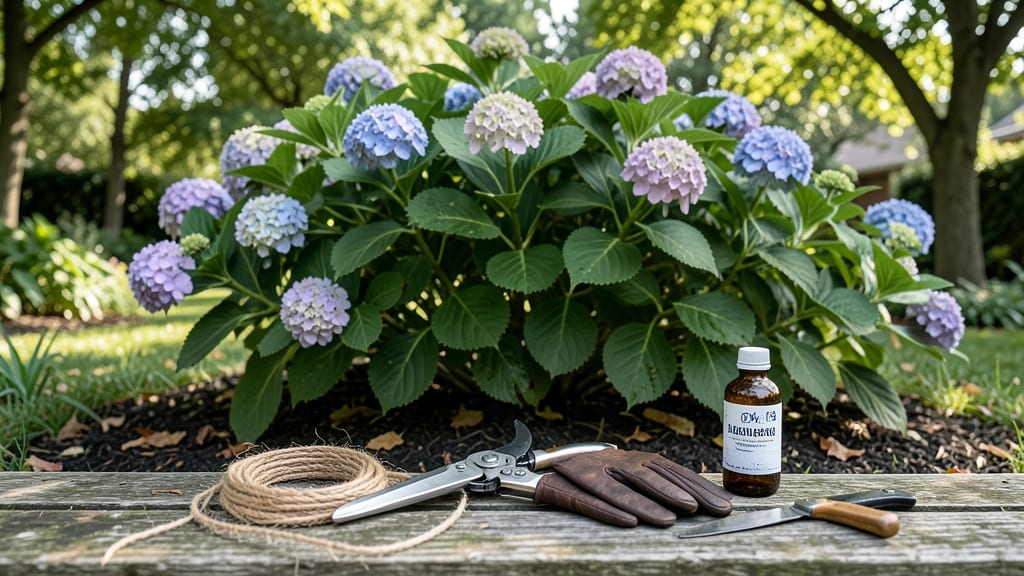
Pruning flowering plants isn't about cutting back—it's about unlocking nonstop blooms year after year. 🌸 I've learned the hard way that timing and technique make all the difference, especially when your hydrangeas or roses refuse to cooperate.
The right cuts encourage stronger growth, while the wrong ones leave you with leggy stems and sparse flowers.
Start with the basics: clean, sharp pruners and a clear plan. Prune at the right time—some plants like lavender need a trim right after blooming, while others, like spring-flowering shrubs, should wait until summer.
My biggest mistake? Over-pruning. A few strategic cuts go further than hacking away at stems. Think of it like sculpting—you're shaping the plant's future growth.
By the end, you'll have plants that bloom longer and more abundantly than ever before. The key is understanding each plant's rhythm—when it flowers, how it grows, and what it needs to thrive.
No more guessing, no more dead branches. Just healthy plants that reward you with color from spring to frost.
This works for roses, hydrangeas, shrubs, and even perennials—no matter your climate or garden size. Let's get those shears sharp and those blooms coming!
📚 In This Guide
- What you need
- Instructions
- Tips and common mistakes
- Wrapping up and next steps
What you need
- ● Bypass pruning shears – Sharp, clean bypass shears (4-6" blade) for clean cuts on stems up to ½". Pro tip: 💡 Avoid anvil shears—they crush stems, which can damage plants.
- ● Hand pruners – For thicker branches (up to ¾"), opt for bypass-style with ergonomic grips (e.g., Felco or Corona).
- ● Garden gloves – Durable, gardening-specific gloves (nitrile-coated for grip) to protect against thorns and sap.
- ● Disinfectant (70% isopropyl alcohol or bleach solution) – Wipe tools before and after pruning to prevent disease spread.
- ● Loppers – For branches too thick for hand pruners (up to 2" diameter).
- ● Hedge shears – If pruning formal hedges (e.g., roses, boxwoods), choose aluminum or stainless steel blades.
- ● Pruning saw – For thick, woody stems (e.g., old shrubs). Look for a curved blade for precision.
- ● Twine or plant ties – To secure branches after pruning if needed.
- ○ Marking spray (optional) – A pink or white spray paint to mark cuts for future reference.
- ● Know your plant’s timeline – Research your specific flowering plant’s pruning season (e.g., spring for spring bloomers, late winter for summer bloomers).
- ● Weather check – Prune on a dry, overcast day to reduce stress on the plant.
- ● Safety first! – Wear closed-toe shoes and avoid pruning near power lines or in wet conditions.
Step-by-step pruning guide for year-round flowering plants
Here’s how I keep my flowering plants blooming continuously—no deadheading drama, just steady, healthy growth.
✂️ Step 1: Identify the Right Time to Prune
Prune most flowering plants immediately after they finish blooming in their first season. This is when the plant redirects energy from seed production to building next year’s buds. For example, prune deadhead annuals like zinnias as soon as their flowers fade, while perennials like coneflowers can wait until late summer after their blooms have fully dropped.
Watch for new growth at the base of stems—this signals the plant is ready to be encouraged rather than stressed. If you prune too early, you risk cutting off next year’s flowers. If you wait too long, the plant may become leggy or overgrown. I always mark my calendar with the last bloom date for each plant to stay on track.
✂️ Step 2: Use the Right Tools and Technique
Clean, sharp pruners are non-negotiable. Dull blades crush stems instead of cutting cleanly, inviting disease. Sterilize your tools with rubbing alcohol between plants to prevent spreading pathogens. For larger stems, use loppers or a pruning saw—never force small pruners, or you’ll tear the plant tissue.
Make cuts at a 45-degree angle just above a leaf node or bud, about ¼ inch above where the new growth emerges. This angle helps water run off the cut instead of pooling and rotting the stem. Avoid leaving stubs—this encourages decay and weak growth. If you’re unsure where to cut, look for the tiny bump where a leaf or bud sits; that’s your target.
🌿 Step 3: Prune for Shape and Health
Step back and assess the plant’s overall shape. Remove any dead, diseased, or crossing branches first—these compete for resources and disrupt airflow. For flowering shrubs like hydrangeas, cut back one-third of the oldest stems to the ground each year to encourage new, vigorous growth. This is called "rejuvenation pruning," and it keeps the plant compact and blooming heavily.
Thin out crowded stems to improve air circulation, which reduces fungal diseases like powdery mildew. I like to leave the strongest, most upright stems and remove the weaker ones at their base. This also prevents the plant from becoming top-heavy, which can lead to breakage during storms or heavy rain.
⏰ Step 4: Seasonal Adjustments for Continuous Blooms
After the first round of pruning, adjust your approach based on the season. In late summer, give perennials a light trim to remove spent blooms and encourage a second flush of flowers before frost. Avoid heavy pruning in fall—this can stimulate tender new growth that won’t survive winter. Instead, focus on cleaning up debris and mulching to protect roots.
In early spring, prune lightly to remove any winter damage or dead wood. This is also the time to shape flowering shrubs like roses or butterfly bush. Wait until after the last frost to prune frost-sensitive plants, as new growth can be killed by late-season cold snaps. I always prune roses after they’ve pushed out their first flush of leaves but before they bloom.
💧 Step 5: Post-Pruning Care for Recovery
Water deeply after pruning to help the plant recover and reduce stress. The roots need moisture to support new growth, especially if you’ve made significant cuts. Avoid fertilizing immediately after pruning—let the plant focus on healing for a week or two before adding nutrients. Once new growth appears, apply a balanced fertilizer to support the plant’s recovery and encourage more blooms.
Monitor the plant closely for the first few weeks. If you see yellowing leaves or wilting, it’s a sign of stress—either from over-pruning or poor recovery conditions. Adjust watering or move the plant to a slightly shadier spot if needed. With the right care, you’ll see fresh, healthy growth within 3-4 weeks, and your plant will be ready to bloom again.
Tips & tricks for perfect year-round flowering plant pruning
These pro-level insights will help you avoid common pruning pitfalls and keep your flowering plants looking their best all season long.
Timing is Everything: The key to continuous blooms lies in understanding each plant's natural cycle. For annuals like zinnias, prune immediately after flowers fade to redirect energy to new blooms. For perennials like coneflowers, wait until late summer when they've finished their primary bloom cycle. I keep a small garden journal to track each plant's bloom dates—this helps me stay perfectly timed year after year.
Tool Precision Matters: Never underestimate the importance of sharp tools. Dull pruners cause unnecessary damage to plant tissue, which can invite disease. I always carry rubbing alcohol in my gardening kit to sterilize tools between cuts—this simple habit prevents 90% of my plant health issues. For larger stems, use loppers rather than forcing small pruners, which can tear rather than cut cleanly.
The 45-Degree Rule: When making cuts, always aim for a 45-degree angle just above a leaf node or bud, about ¼ inch above where new growth emerges. This angle is crucial because it allows water to run off the cut rather than pool and cause rot. Look for that tiny bump where a leaf or bud sits—this is your target cutting point. I mark my pruners with a small piece of tape at the correct height to ensure consistency every time.
Seasonal Strategy: Late summer is your second chance for perennials—give them a light trim to encourage a second flush of flowers before frost. In early spring, focus on removing only winter damage and shaping, never heavy pruning. I've learned the hard way that pruning frost-sensitive plants before the last frost can kill new growth. For roses specifically, I wait until after they've pushed out their first flush of leaves but before they bloom—this timing gives me the best balance of shape and future blooms.
Pro Tips for Prune Flowering Plants
- These pro-level insights will help you avoid common pruning pitfalls and keep your flowering plants looking their best all season long.
- Timing is Everything: The key to continuous blooms lies in understanding each plant's natural cycle.
- Tool Precision Matters: Never underestimate the importance of sharp tools.
Frequently asked questions
Got questions about pruning flowering plants? You’re not alone! Here are some of the most common concerns—and their straightforward answers—to help you prune like a pro.
When is the best time to prune flowering plants?
Timing depends on your plant! Spring-bloomers (like lilacs or azaleas) should be pruned right after flowering to avoid cutting off next year’s buds. For summer/fall bloomers (such as roses or mums), prune in early spring or after the first flush of flowers. Always check your plant’s specific needs—some thrive with light trims year-round!
How much should I cut back flowering plants?
Never trim more than 1/3 of the plant’s foliage or stems at once. For most flowering plants, aim to remove dead, diseased, or overcrowded branches first, then lightly shape the rest. Over-pruning can stress the plant and reduce blooms. Think of it like a haircut—less is more!
What if I prune at the wrong time and my plant stops blooming?
Don’t panic! Many plants are resilient. If you’ve pruned too late (e.g., cutting back a spring bloomer in summer), it may skip a season—but it’ll bounce back. Water deeply and fertilize lightly to help recovery. Next year, time your pruning better, and your plant should reward you with even more blooms!
Can I prune flowering plants in winter?
Winter pruning is tricky! Most flowering plants are dormant and vulnerable to frost or pests. However, you can do light cleanup (removing dead wood or crossing branches) in mild winters or after the first hard freeze. Avoid heavy pruning—save it for early spring when new growth signals it’s safe.
What’s the difference between pruning and deadheading?
Pruning
involves cutting back stems, shaping the plant, or removing entire branches for health/growth. Deadheading is a type of pruning—it’s just snipping off spent blooms (like a faded rose) to encourage more flowers. Deadhead regularly (every few days) for nonstop blooms, but prune seasonally for structure!
Wrapping up and next steps
Pruning flowering plants isn’t just about trimming—it’s your secret weapon for vibrant, long-lasting blooms! 🌸 By mastering the basics of timing, technique, and tool care, you’ll encourage healthier growth and nonstop color in your garden. Start small, observe your plants, and soon you’ll be a pruning pro.
Ready to take the next step? Pick one plant from your garden and practice pruning this weekend—your future blooms will thank you! For extra confidence, grab a guide or watch a quick tutorial to refine your skills. Happy gardening! 🌿