
Pruning
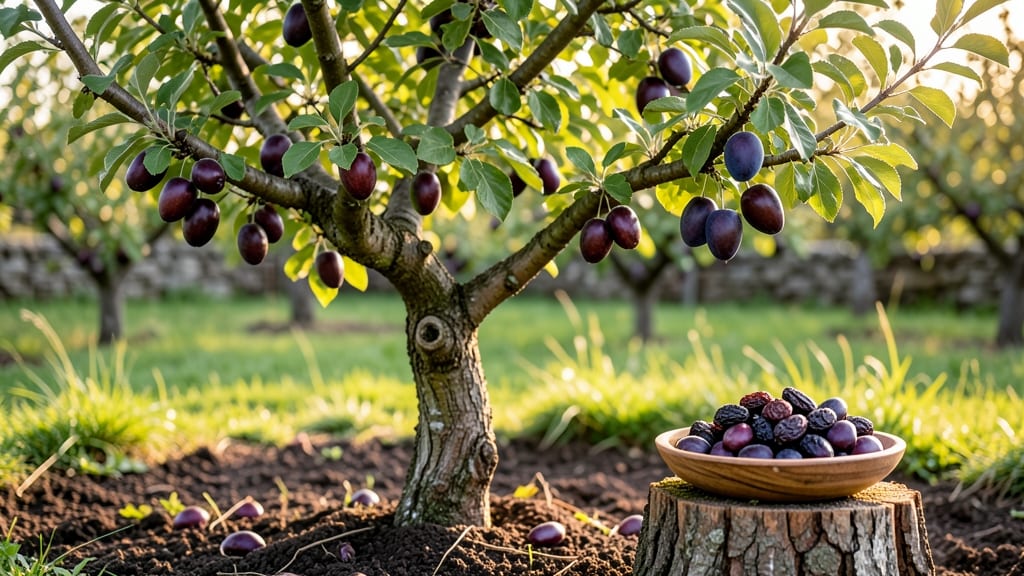
What does prunes look like? They are small, shrunken dried plums that range from deep brown to reddish-brown hues, with wrinkled skin and pronounced ridges running along their oval or rounded shapes.
Prunes undergo a dramatic transformation from their fresh plum counterparts, losing moisture and shrinking to about half their original size. 💫 The dehydration process concentrates their natural sugars, intensifying their color from purple to rich brown tones.
You'll notice how their once-smooth skin develops deep furrows, giving them that characteristic "wrinkled" appearance that sets them apart from other dried fruits.
What makes identifying prunes easier is their consistent shape—whether oval or round, they maintain a uniform compactness that fresh plums don't have. The texture becomes noticeably tougher, almost like thin leather, which is why you'll often find them sold in paper wrappers to maintain freshness.
This visual transformation isn't just about aesthetics; it's what gives prunes their concentrated nutritional benefits and longer shelf life.
💡 In This Article
- How Prunes Compare to Fresh Plums in Appearance
- Identifying Prune Varieties by Visual Traits
How prunes compare to fresh plums in appearance
The transformation from fresh plums to prunes begins with dehydration, where moisture content drops from about 80% in fresh fruit to just 15-20% in dried prunes.
This process causes the fruit to shrink dramatically—often to about half its original size—while concentrating natural sugars and deepening the color from vibrant purple to rich brown or reddish hues.
The skin develops deep furrows and wrinkles as the fruit contracts, creating that distinctive leathery texture that's completely different from the smooth, glossy surface of fresh plums.
Fresh plums typically measure 1.5-3 inches in length with a soft, juicy interior, while prunes average just 1-1.5 inches in their shrunken state. The shape remains consistent (oval or round), but the surface becomes noticeably more irregular.
Italian prunes, for example, tend to have a slightly elongated oval shape with pronounced ridges, while California prunes often appear more rounded with smoother furrows. The dehydration process also removes the fruit's natural sheen, leaving a matte, almost velvety appearance that contrasts sharply with fresh plum's glossy exterior.
Texture is where the biggest difference appears—fresh plums yield easily to gentle pressure, while prunes require noticeable force to bite through their toughened exterior. This leathery quality comes from the concentration of pectin and fiber during drying.
The color change isn't just surface-level; it reflects the Maillard reaction occurring at the cellular level, where sugars and amino acids interact under heat to create those rich brown tones. This same reaction contributes to prunes' deeper flavor complexity compared to their fresh counterparts.
What's fascinating is how the drying method affects appearance. Sun-dried prunes develop a slightly darker, more irregular surface due to uneven exposure, while commercial dehydrators produce prunes with more uniform color and texture.
The origin also plays a role—European prunes often have a deeper reddish-brown hue, while California varieties tend toward darker brown tones. These visual differences help identify quality and origin at a glance, much like how wine experts distinguish grapes by their appearance.
One key visual trait to look for is the presence of the stem end—high-quality prunes will have this intact, indicating careful handling. The furrows should be deep but not cracked, as excessive drying can create unsightly splits.
When comparing prunes to fresh plums side by side, you'll notice how the dried fruit's compact form makes it easier to store and transport, which is why prunes have been a staple in travel and military rations for centuries.
The wrinkled appearance isn't just aesthetic; it's a testament to their concentrated nutrition packed into a small, durable form.
Consider this comparison: a fresh Damson plum (about 2 inches long) might weigh 30-40 grams, while its dried prune equivalent would measure just 1 inch long but still contain nearly 70% of the original fiber content.
This dramatic size reduction while maintaining nutritional density is what makes prunes so visually distinctive—and so practical for long-term storage. 🔥